Nigeria’s judicial budget

Nigeria’s judicial budget is a complex, contentious issue at the intersection of constitutional design, fiscal federalism, political power dynamics, and the practical realities of justice delivery. While the 1999 Constitution (as amended) enshrines judicial independence including financial autonomy the implementation reveals deep gaps between legal provisions and on-ground realities.

The Mirage Government: How Nigeria Governs Without Knowing What It Knows by Lawson Akhigbe

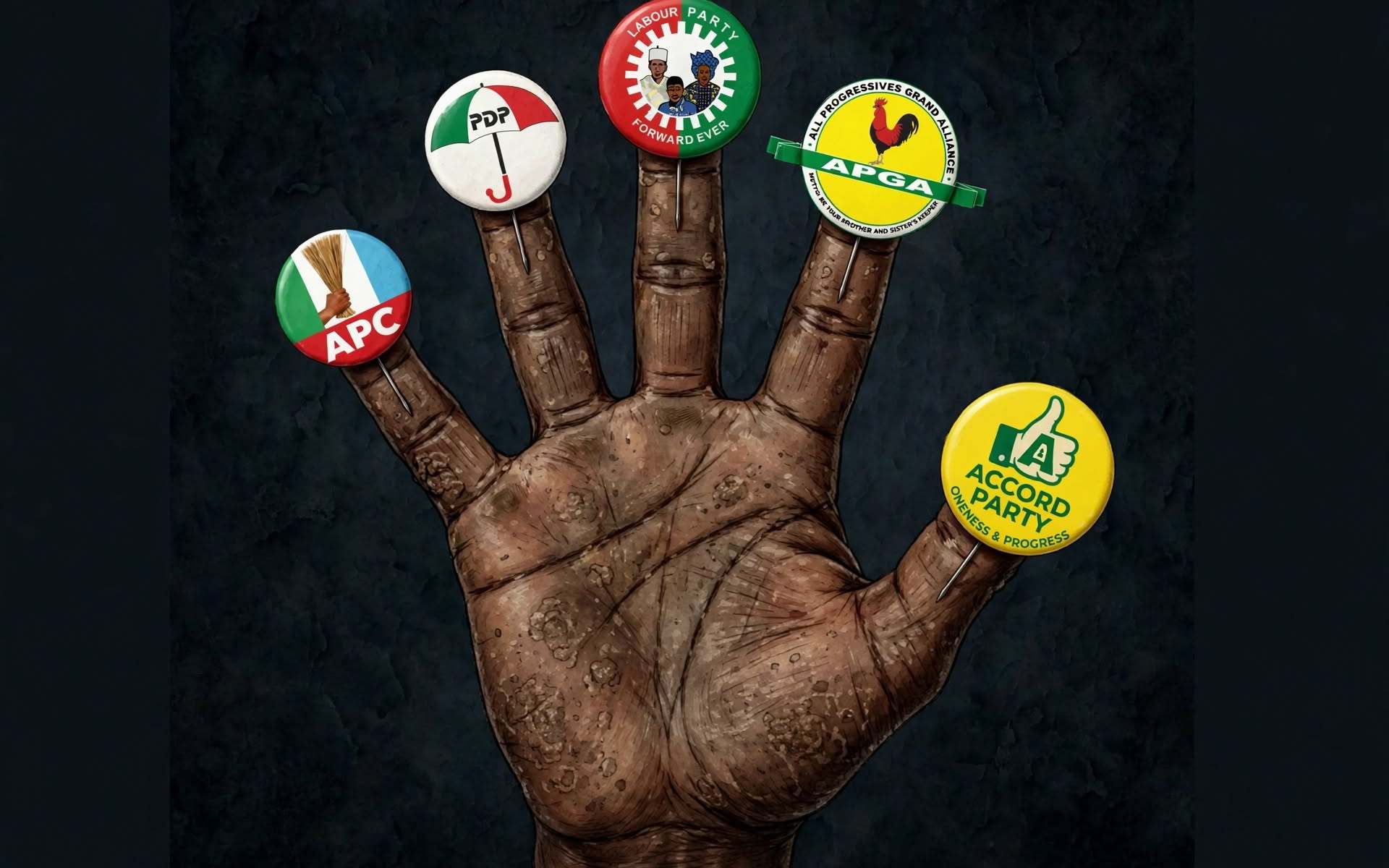
It issues pronouncements, launches programmes, commissions projects, publishes budgets, announces reforms and produces an endless supply of political speeches. Ministers hold press conferences. Governors commission flyovers. Presidents announce ambitious economic transformations. Political parties publish manifestos promising a better Nigeria.

If Wishes Were Horses, These Are the Horses I Wish to Ride by Lawson Akhigbe

There is an old saying that if wishes were horses, beggars would ride. In Nigeria, if wishes were horses, the beggars would still be waiting for the federal allocation to buy the saddle, the state governor would claim ownership of the horse, and the local government chairman would invent three new wards so his cousins could ride too.

66 Years After: Nigeria Still At The Crossroads by Leadership Newspapers Editorial

Nigeria turns 66 today, and the mood is not celebratory. Sixty-six years is long enough for a nation to have settled into itself. This one still feels suspended between promise and disappointment.

How Ghost Ships Emptied Nigeria’s Treasury (And Why You’re Still Paying the Fare in 2026)

You think petrol became expensive in 2026? Cute. It actually became expensive the day Nigeria’s political class realised they could sell you empty air, stamp a piece of paper “premium motor spirit,” and cash the cheque at the Central Bank. The most elegant example remains the MT Emerald.