Nigeria at 66: When a 1983 Coup Speech Still Sounds Like Today By Lawson Akhigbe

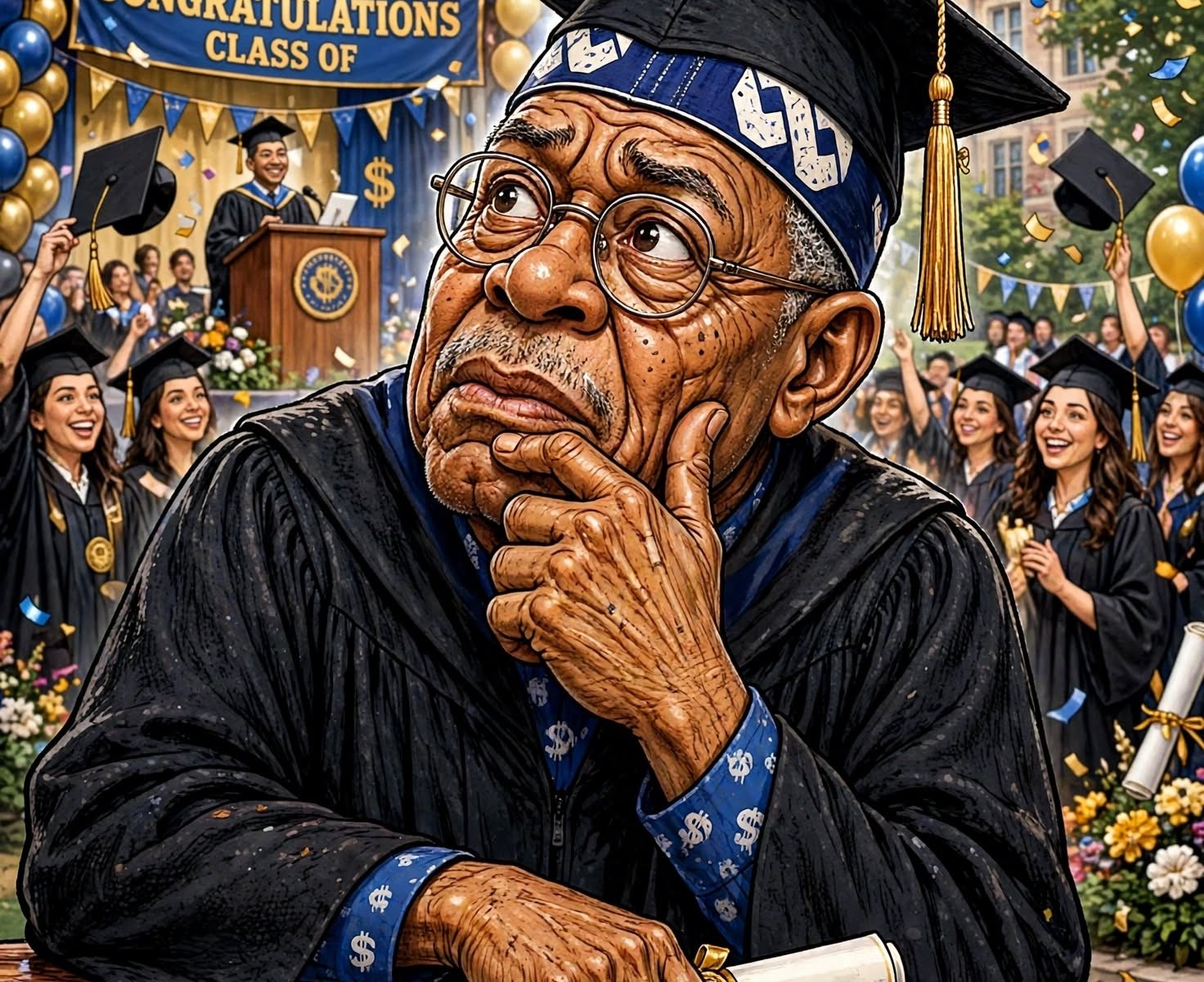
As Nigeria prepares to mark another Independence Day on 1 October, I have been reading a speech delivered on 31 December 1983 by a young Brigadier, Sani Abacha, announcing the overthrow of the democratically elected government of President Shehu Shagari.

When “Error” Becomes a Legal Strategy: The Amaechi v. INEC Saga – A Masterclass in Judicial Gymnastics

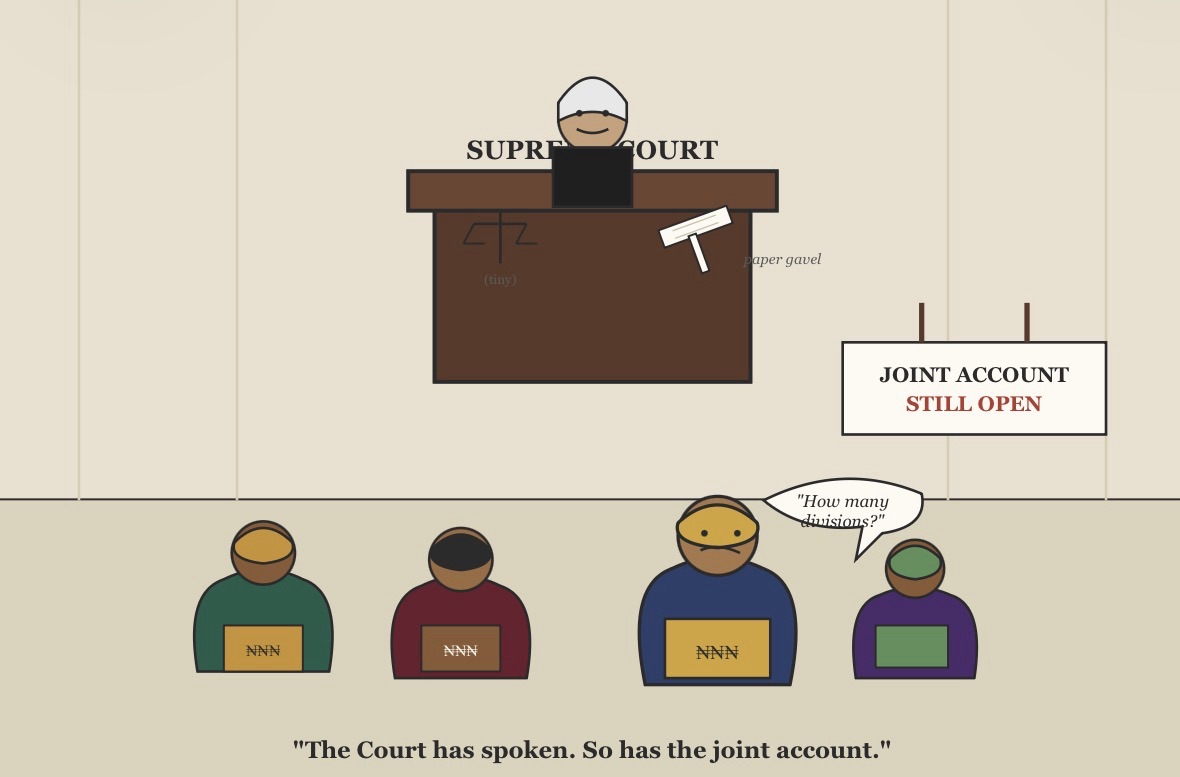
the Doctrine of Necessity’s cheeky cousin: the 2008 Supreme Court blockbuster Rotimi Amaechi v. INEC & Ors. If Nigerian politics is a Nollywood script full of plot twists, this case was the director yelling “cut!” and rewriting the ending after the credits rolled.

The King’s Square Circus: When Justice Becomes a Stage Play by Lawson Akhigbe

There is an old legal maxim that justice must not only be done, but must also be seen to be done. Somewhere between Osadebe Avenue and King’s Square, however, that venerable principle was evidently fed into a shredder, doused in kerosene, and traded for prime-time television ratings.

The World Bank, Industrial Policy, and Africa by Dr Fikayo Akeredolu

If you are an African policymaker/technocrat/leader who has been following the World Bank’s development advice for the last say 30 years, this finding would shock you.

Terrorists Should Not Be Given a Broadcast Licence by Lawson Akhigbe

At the height of the Troubles in Northern Ireland, the British government imposed restrictions on the direct broadcast of the voices of leading members of the Irish Republican Army (IRA) and associated organisations. Most notably, the BBC and other broadcasters were prohibited from airing the voices of figures such as Gerry Adams, then president of Sinn Féin, which was widely regarded as the political wing of the IRA. Television stations resorted to using actors’ voices to relay statements instead.