The greatest casualty of this failure has been grassroots democracy.
Nigeria’s Failed Democratic Laboratory: How Governors Cripple Local Government and Representative Democracy by Lawson Akhigbe



Reporting News and opinions
The greatest casualty of this failure has been grassroots democracy.

Africa and indeed, the Third World in general, suffers the affliction of leaders and tautologos. It is an epidemic of leaders who act like the sexually infirm. For this species of infirm male, when queried on why they cannot insert into the right hole, they boast of possessing the capability to make multiple insertion of threads into the barely visible hole of the needle, even in the dark. Were Tinubu to be tautologous in delivery of democratic dividends, it would have been more desirable than repetition of needless words.

In the theater of Nigerian criminal justice, bail is the sparkling prop they wheel out to dazzle the audience with tales of constitutional benevolence, only for the curtain to fall on a punchline so absurd it would make a stand-up comedian blush. Our dear leaders preach presumption of innocence while tying defendants in knots tighter …
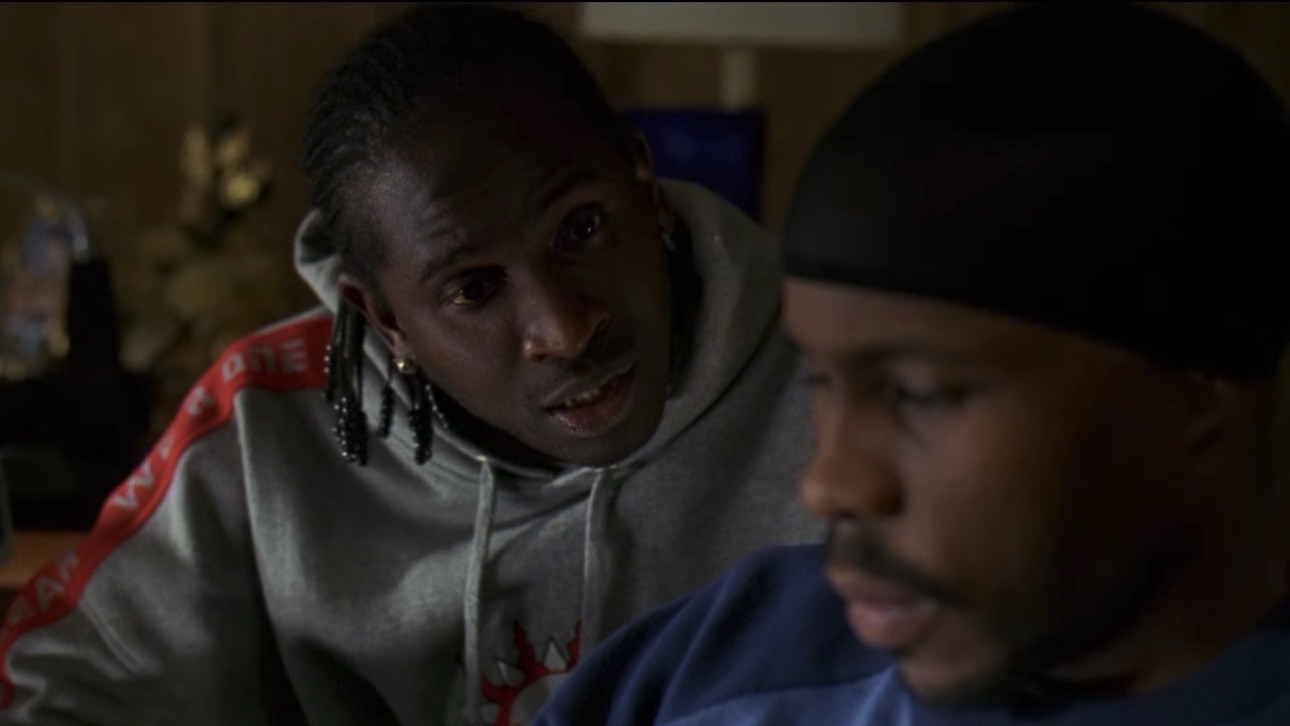
In season three of The Wire, when Avon Barksdale hesitates over a gangland war sparked by flawed premises, his pragmatically ruthless lieutenant, Slim Charles, cuts through the existential noise with cold street poetry: “If it’s a lie, then we fight on that lie. But we gotta fight.”

There is a peculiarly Nigerian brand of optimism that believes the Supreme Court exists to do the dirty work politicians were too distracted to handle during campaign season. Whenever an election outcome tastes like ash, the losing side inevitably sprints to the appellate bench clutching heavy binders, confident that the judiciary will casually unravel an entire presidential mandate on a crisp technicality.

