The Barrister Who Never Went to Law School: Adams Oshiomhole and the Art of Speaking from Both Sides of the Mouth by Lawson Akhigbe
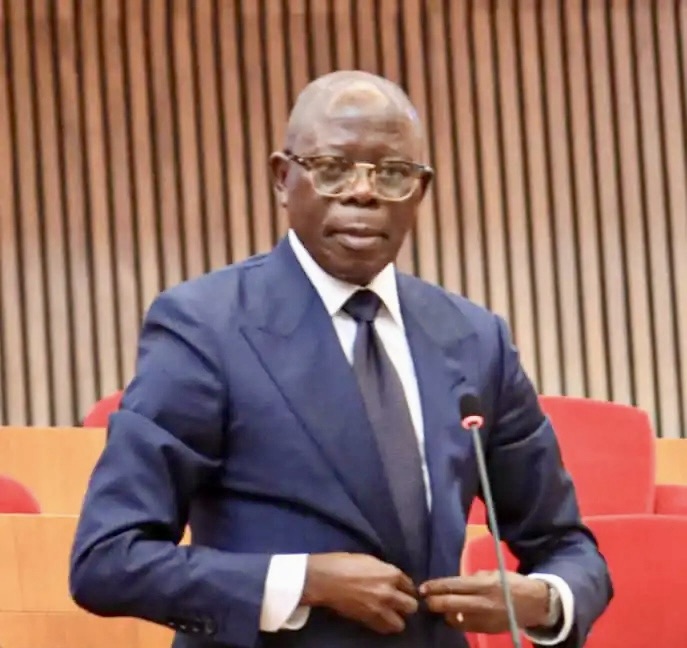
Adams Oshiomhole is that rare Nigerian political specimen who managed to climb from factory floor to labour presidency, state house, party chairmanship and the red chamber without the inconvenience of a published higher educational attainment. Self-taught, they say. One imagines him in some dimly lit corner of history, devouring political manuals by candlelight while the rest of his compatriots were busy collecting certificates that later proved about as useful as a raincoat in the Sahara.

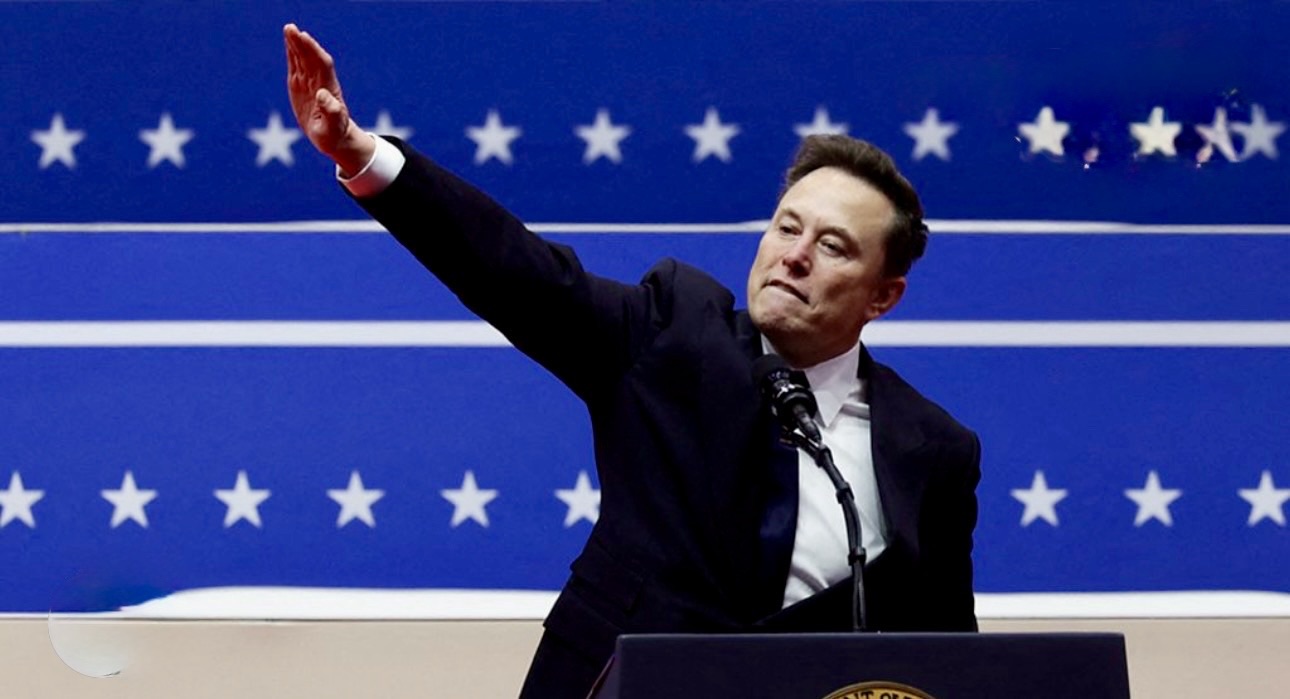
The Great Unchaining: How Gates, Jobs, and Musk Freed Us From Desks, Cameras, and Petrol While Leaving Us Philosophically Naked by Lawson Akhigbe

So far, so dazzling. We have been unchained from the desk, from the camera, from the petrol pump, and soon, apparently, from the steering wheel itself. Progress has been relentless, elegant, and profitable.

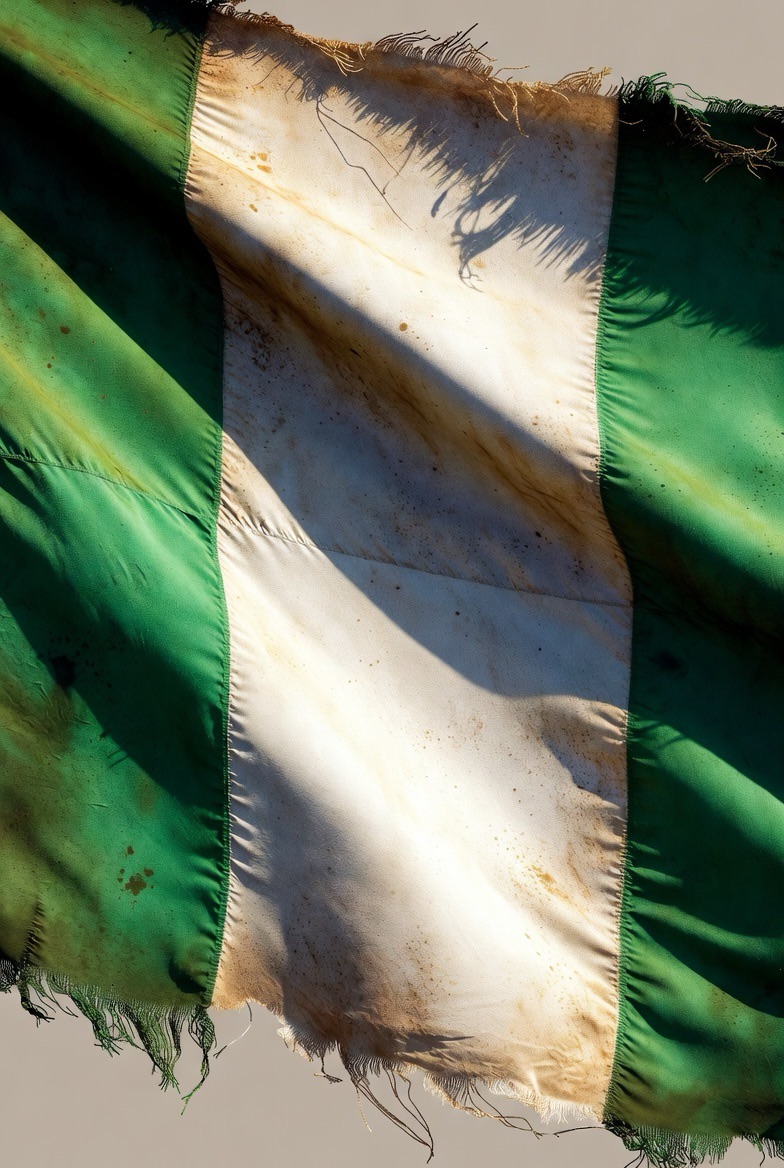
The Mirage Government: How Nigeria Governs Without Knowing What It Knows by Lawson Akhigbe

It issues pronouncements, launches programmes, commissions projects, publishes budgets, announces reforms and produces an endless supply of political speeches. Ministers hold press conferences. Governors commission flyovers. Presidents announce ambitious economic transformations. Political parties publish manifestos promising a better Nigeria.

NATIONS, TRIBES, AND THE GRAMMAR OF EMPIRE: On why the Scots get a parliament and the Yoruba get an anthropologist By Lawson Akhigbe

Scotland has a parliament, a flag, a football team that loses with tremendous dignity, and roughly the population of Lagos’s Ikeja Local Government Area. The Yoruba nation and I use the word advisedly has an empire’s worth of history, a written and oral constitutional tradition running from Ile-Ife through the Oyo Mesi and the Alaafin’s checks and balances, a diaspora spanning three continents, and something in the region of forty million native speakers. One of these is routinely described in the Financial Times as a nation debating its constitutional future. The other is routinely described, by the same publication, as a tribe engaged in an ethnic dispute. I invite the reader to spot the empirical difference. I have been looking for thirty years and have found only prejudice wearing a monocle.

Is Nigeria’s Destiny Already Written? By Lawson Akhigbe

At moments of peak frustration, one is tempted to conclude that Nigeria has become a modern-day Sodom and Gomorrah; a place so committed to self-destruction that even the gods have abandoned any rescue plan and are simply waiting for the final chapter.