The Art of the Bureaucratic Shrug: Why Nigerian Public Officials Never Bring a Pen to an Interview by Lawson Akhigbe
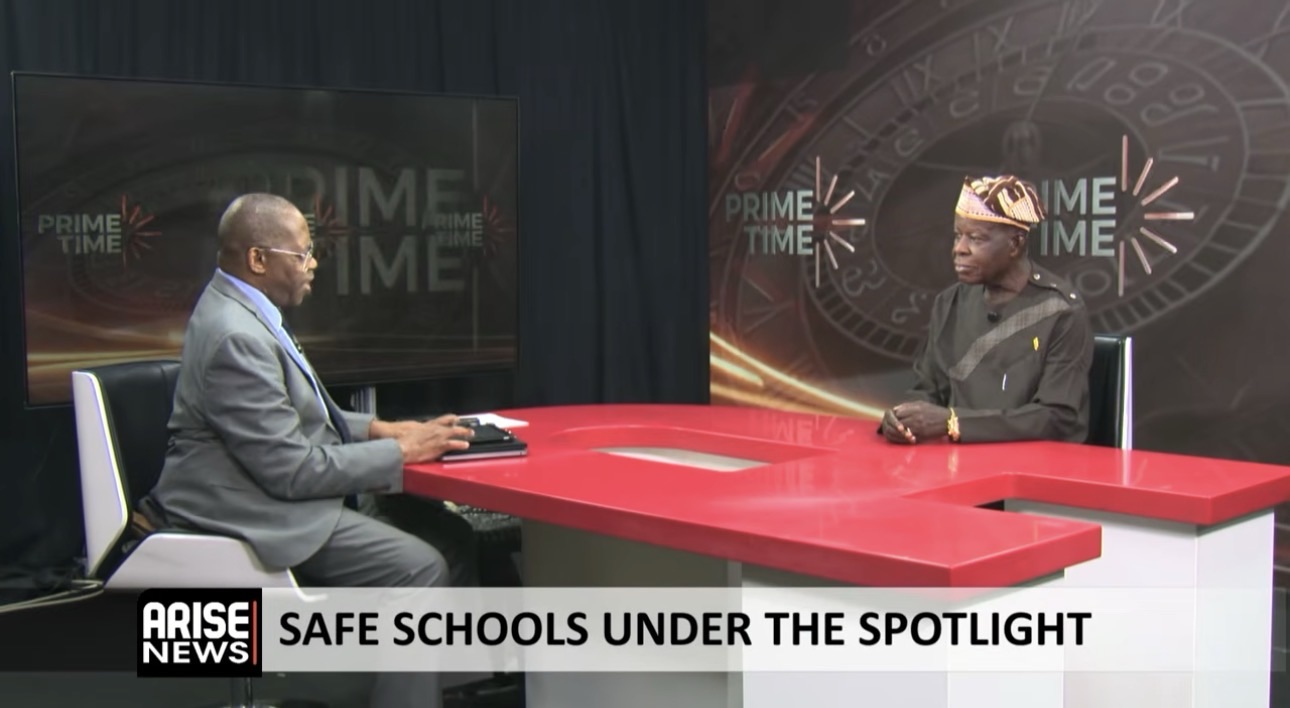
he backdrop of the interview was heavy: a massive Senate investigation into the "Safe Schools Initiative," a program conceptualized to protect students after the harrowing 2014 Chibok girls tragedy. We are talking about tracking billions of naira and over $30 million in donor funding. It’s the kind of high-stakes scrutiny that should make any public servant sweat through their starch-pressed Agbada.

Nigerian Judiciary by the Truckload By Late Prof. Pius Adesanmi (Repost)

The flight from London had arrived. I was waiting for the Chief Judge of Kwara state. An elderly man wheezed past me imperiously like he owned Ottawa Airport. Like he personally appointed the Mayor of Ottawa. The unmistakable trade mark of the Nigerian. I was going to hail him and ask if he was my guest.

Bola Ahmed Tinubu: The Most Nigerian of Nigerian Presidents? By Lawson Akhigbe

In that sense, Tinubu may be regarded as the most “Nigerian” of Nigerian presidents—not necessarily as a compliment, but because he appears to encapsulate many of the contradictions, ambiguities and controversies that have long defined Nigerian politics.

Life Imprisonment for Child Sexual Assault: Legal Basis and Constitutional Considerations by Lawson Akhigbe

The primary statutory authority for this sentence is Section 260 of the Kebbi State Penal Code Law, 2021, which criminalizes "unnatural offences." While the exact wording of Kebbi State's provision isn't publicly available in full, similar provisions in northern Nigerian penal codes typically define "unnatural offences" as carnal intercourse against the order of nature, which judicial interpretation has extended to include same-sex sexual acts and anal intercourse.

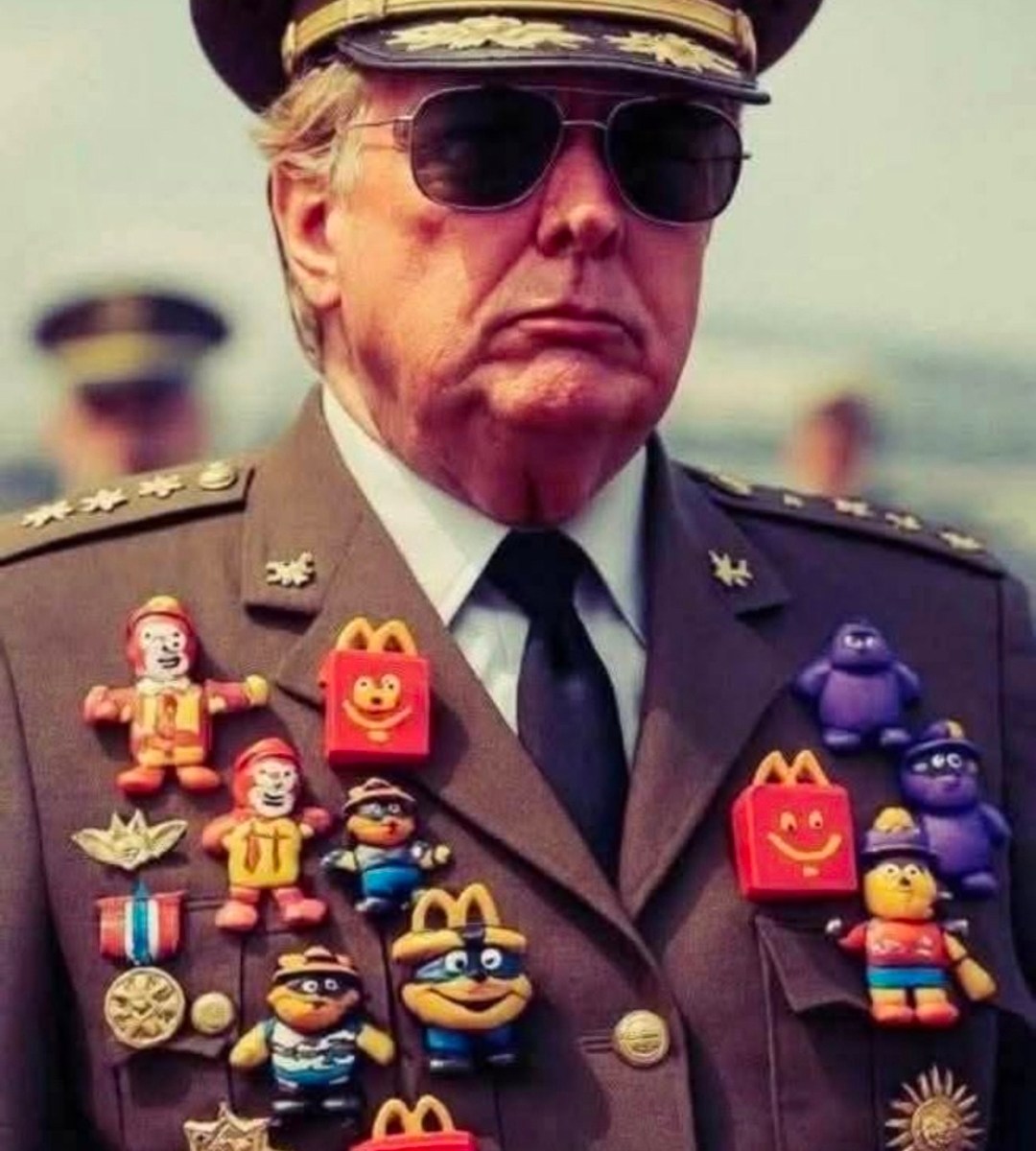
Major Chip Hazard Goes to Washington: When Toy Soldiers Run the War Department by Lawson Akhigbe

Donald Trump’s return to the White House marked the triumph of image over expertise. Cabinet positions increasingly resembled casting decisions. Loyalty became more important than experience. Television skills became more valuable than administrative competence.