Impunity Is Not a Personality Trait: On the Architecture of Nigerian Elite Immunity by Lawson Akhigbe
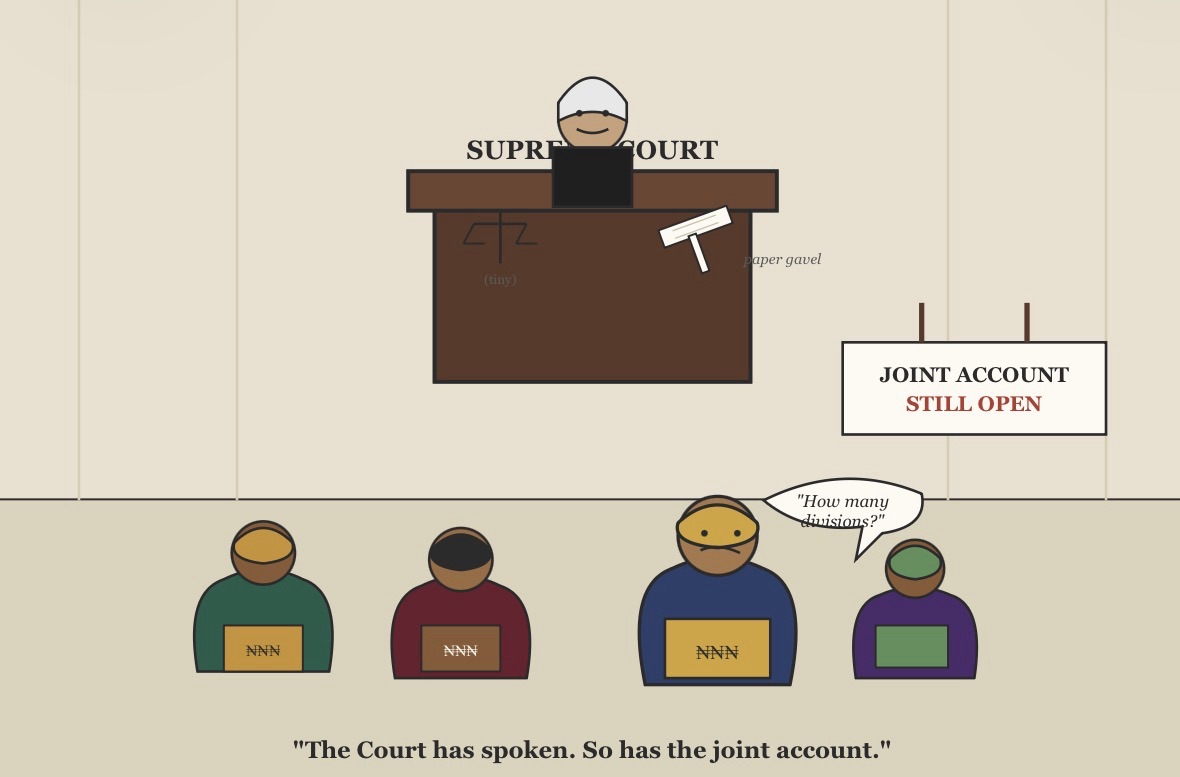
There is a comfortable explanation for why Nigerian officials behave as though accountability is an imported eccentricity, like fondue or the metric system. The explanation runs roughly like this: Nigerians have an authoritarian political culture, inherited from precolonial kingship and reinforced by military rule, and this culture manufactures leaders who cannot be shamed because shame requires a moral vocabulary the culture never built.

Anambra’s Local Government Law 2024: The Art of Obeying the Supreme Court While Ignoring It Completely by Lawson Akhigbe

In the grand theatre of Nigerian federalism, few performances are more impressive than watching a state government loudly applaud a Supreme Court judgment while simultaneously rewriting the script so the money still ends up in the same old pockets. Anambra’s Local Government Administration Law of 2024 is that performance, complete with standing ovation from the Governor’s Lodge and polite confusion from anyone who actually read the judgment.

The 3pm Call: America’s Midterm Test of Judgment

It was 2008. The country was being asked to choose a president, and Clinton’s famous campaign advertisement presented the image of sleeping children, a ringing telephone in the White House and a question: Who do you want answering the phone?

Nigeria’s ‘heroes past’ and the inconvenient truth by David Hundeyin (Repost from 2022)

Call it childhood naivety, youthful idealism or a need to believe in something, but for a long time I believed that the line in Nigeria’s national anthem that goes “The labour of our heroes past shall never be in vain,” actually meant something. Not a lot, mind you, but something. It had to mean something because every society on earth had heroes – icons to look up to because they laid the foundation for tomorrow.

Was there a ledger to square: Britain’s rule in Nigeria by Lawson Akhigbe

The late Sam Mbakwe, first civilian governor of Imo State and a man whose impatience with mediocrity remains legendary, once declared that he would gladly invite the British back to rule Nigeria for another fifty years. Other politicians have echoed the sentiment over the decades, usually after another round of epileptic power, collapsed roads, or the discovery that the latest “transformation agenda” had transformed mainly the bank balances of its authors. The quip is usually delivered with a sigh, half-joke, half-confession: better the colonial taskmaster who at least kept the trains roughly on time than the indigenous ones who treat the national timetable as optional reading.