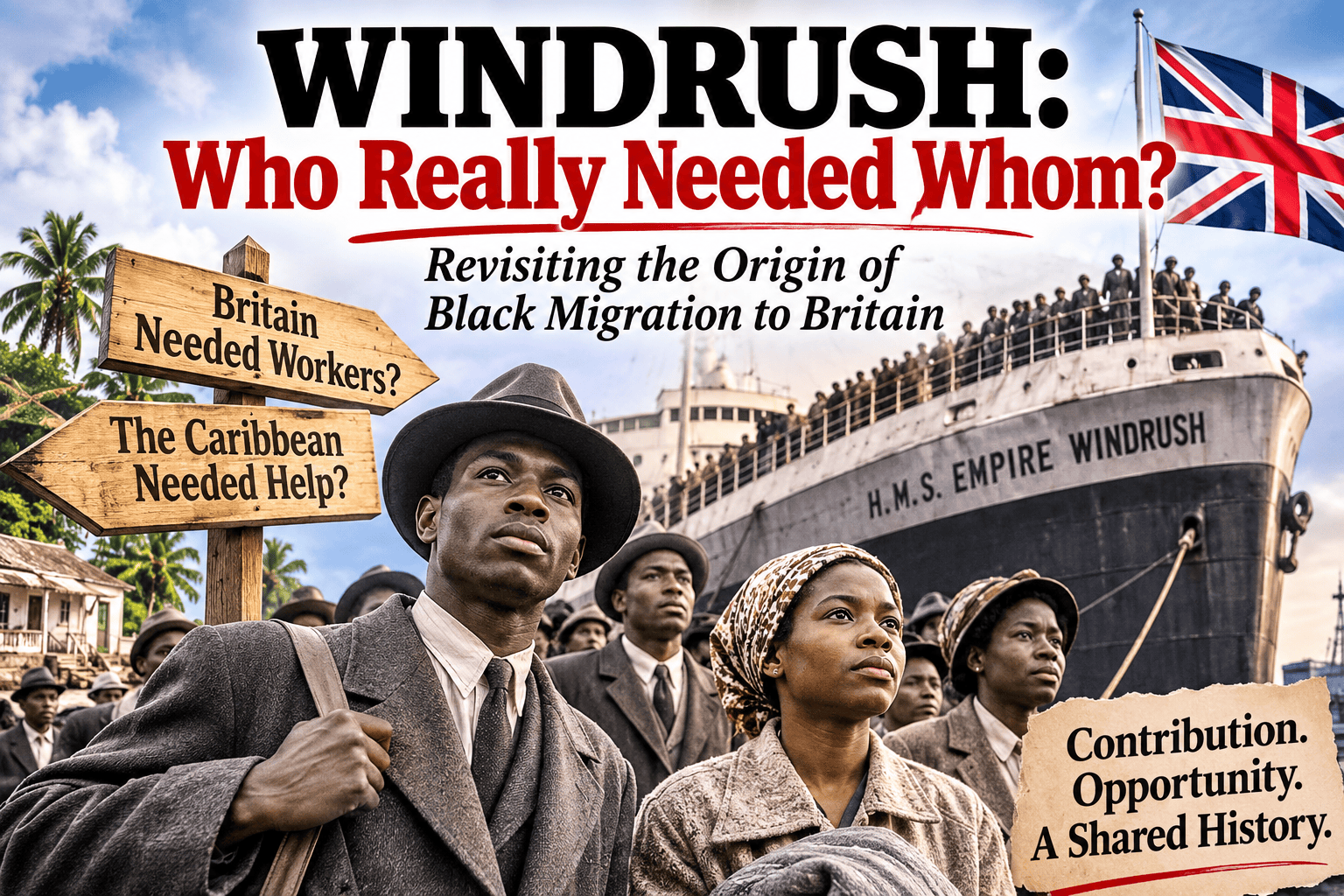
The untold story of John Henry Clavell Smythe and the origins of Black migration to Britain Sometimes history is not wrong. It is simply incomplete. And occasionally, the missing piece is preserved in the recollections of a son telling the story of his father. The popular historical narrative of mass Black migration to Britain begins with the arrival of the Empire Windrush at Tilbury Docks on 22 June 1948. The event has become a defining moment in modern British history and the beginning of what is popularly known as the Windrush Generation.
Trump’s Grace Deficit Hits a New Low: Mocking a Sick Man to Defend His Guy by Lawson Akhigbe
Trump’s chronic shortage of grace is not a glitch. It is the operating system. The man treats basic human decency the way most people treat leftover brussels sprouts: with suspicion, then disposal. But even by his standards, the latest performance deserves a special citation for tastelessness.
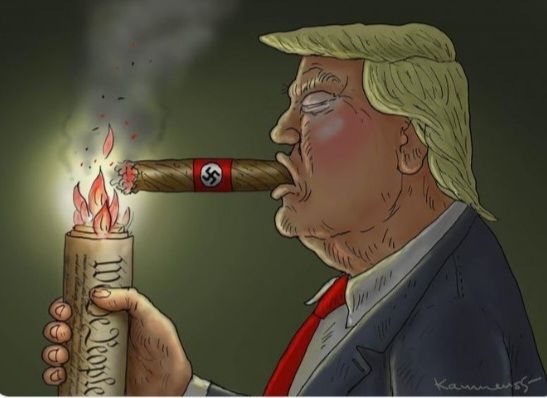
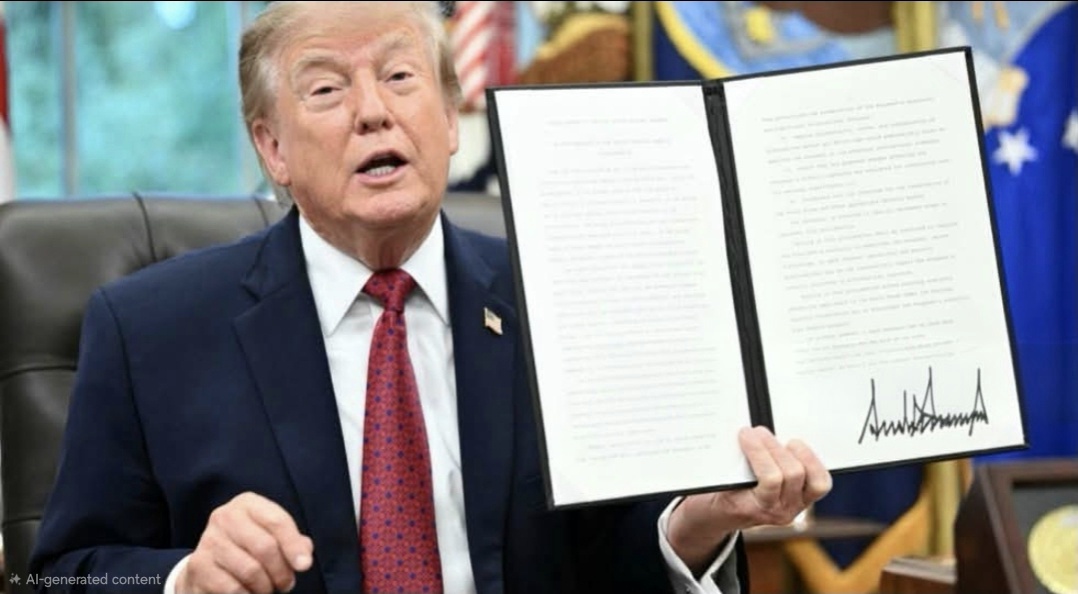
Live by Executive Orders, Die by Executive Orders by Lawson Akhigbe
A president cannot bind his successors with executive orders. This is not radical constitutional theory. It is the plain, unromantic fact of the American system. Executive orders are the administrative equivalent of sticky notes left on the Resolute Desk: useful for the person who wrote them, mildly binding on the next occupant only for as long as that occupant finds them convenient, and entirely disposable the moment convenience ends
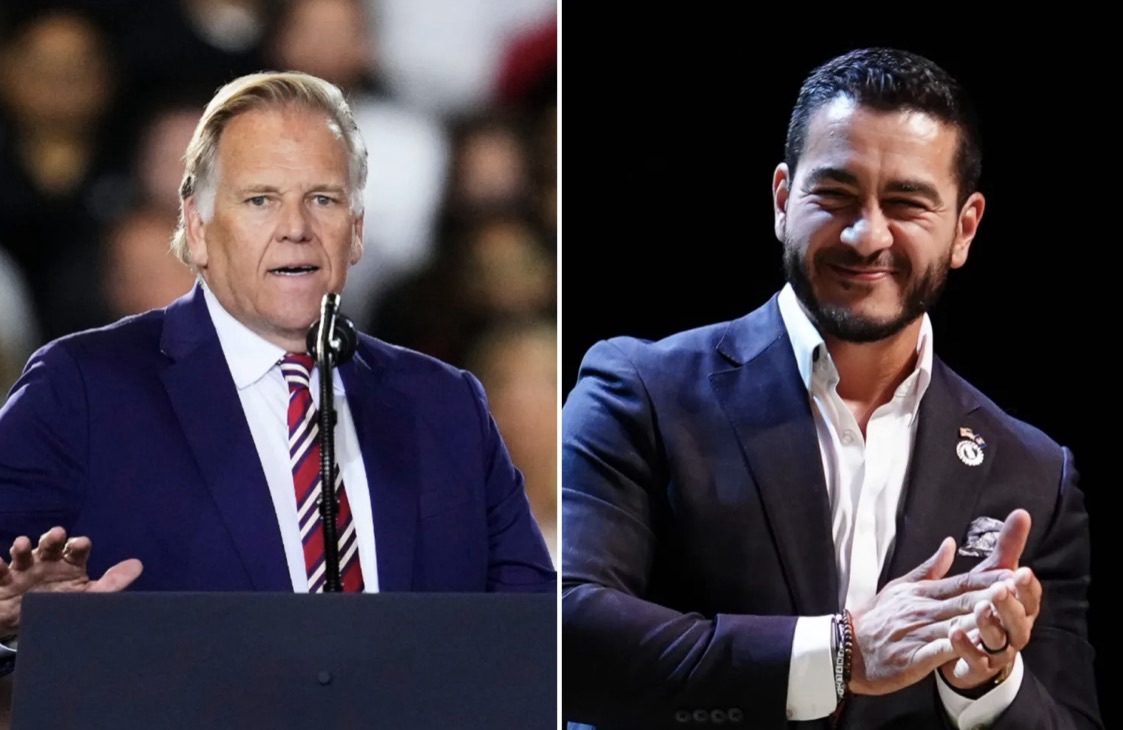
The MAGA-isation of Mike Rogers: From National Security Republican to Identity Politics Warrior By Lawson Akhigbe
There was a time when Mike Rogers occupied a particular place in my understanding of American politics. He appeared to belong to that category of Republican politicians who, whatever their ideological differences with Democrats, understood that national security was too serious a business to be reduced to partisan theatre. He was measured, disciplined, informed and, above all, appeared to be a man who understood the difference between intelligence work and political propaganda.
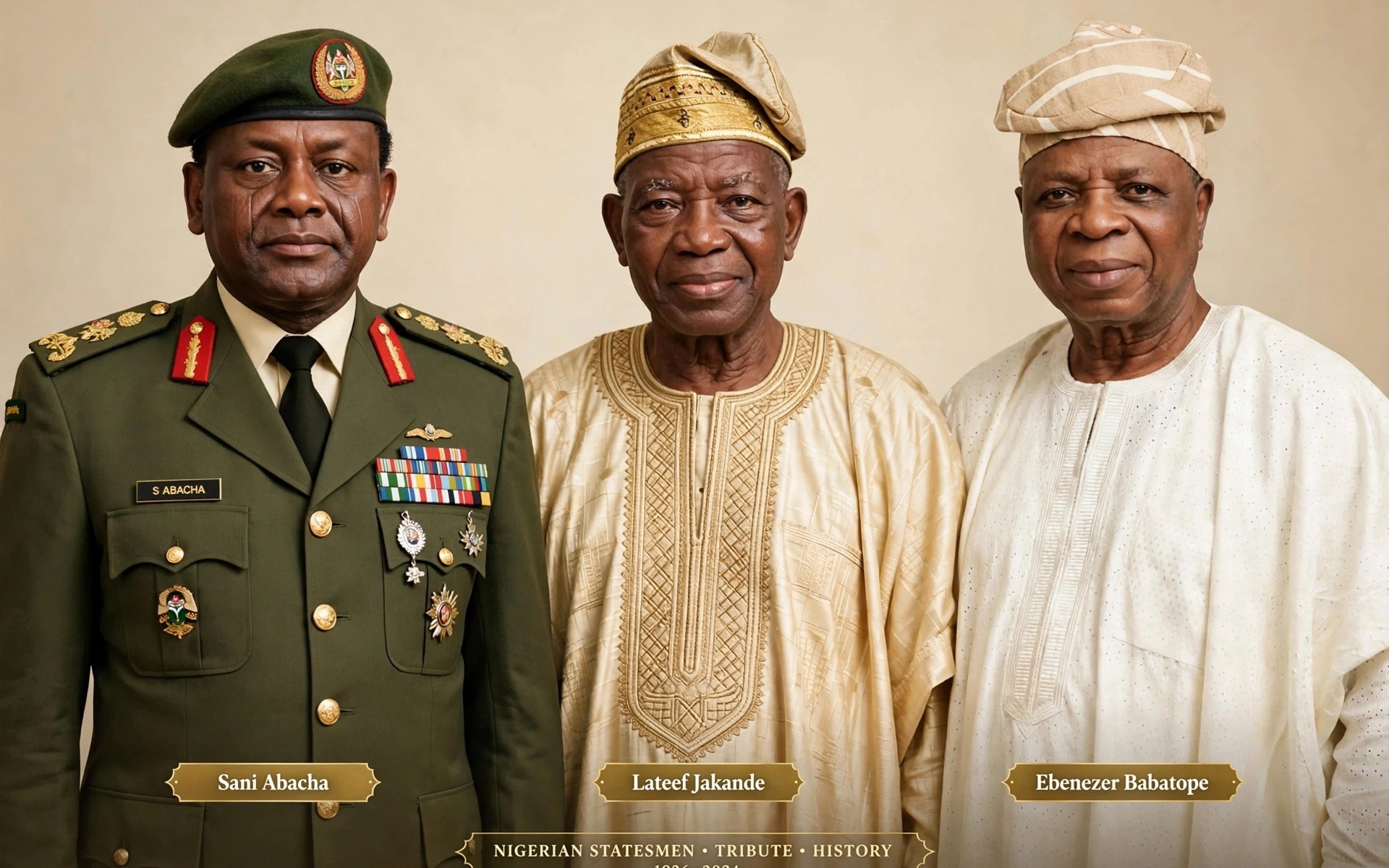
Why the Apostles of Awo Went to Dodan Barracks: A Case Study in Mistaking a Trojan Horse for a Taxi
Every faith has its parable of the believer who walks into the wrong building. For Awoism, a doctrine built on discipline, planning and a near-liturgical suspicion of the Nigerian military, the parable arrived in November 1993. General Sani Abacha forced Ernest Shonekan to resign on 17 November 1993 and took over as head of state, and within days the high priests of the progressive tradition were queuing for ministerial briefs.