Austerity: Britain’s Longest-Running Political Fancy Dress by Lawson Akhigbe

There is an old British habit that refuses to die. When the public finances look awkward, someone reaches for the national costume box, pulls out the Union Jack, and declares that the only patriotic course is to ask the people with the least to tighten their belts a little more. The word of the hour is always “austerity.” The justification is always necessity. The result is almost always the same.

The Union Jack Won’t Fix Britain: Farage, Braverman and the Politics of National Nostalgia by Lawson Akhigbe

When a political movement cannot quite explain where Britain should go, it apparently finds comfort in explaining where Britain used to be.

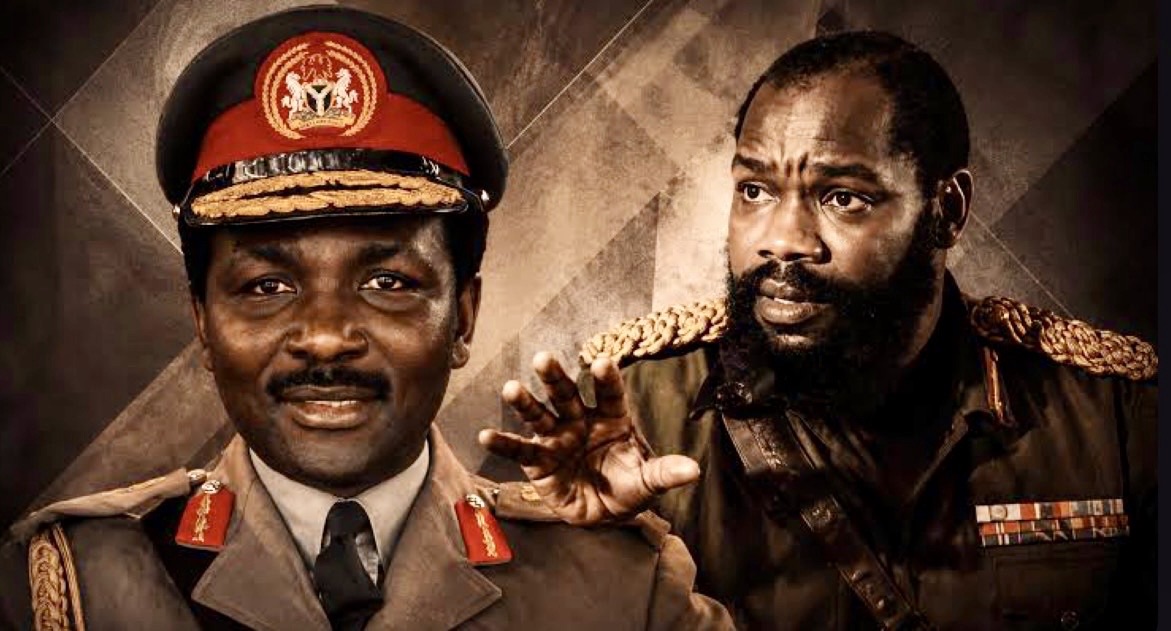
BOOK REVIEW: Inside Yakubu Gowon’s “My Life of Duty and Allegiance”, By Mathew Hassan Kukah

The reader will be right to expect that this book will be the biography to end all biographies and accounts of Nigeria’s chequered history through three coups and a civil war. If you are expecting any revelations from declassified documents, private papers and notes, the reader might be disappointed. The reasons is that, from the beginning, the author confesses that: I want to emphasise that I am telling my story without access to my crucial personal records since many important documents taken from my desk after my removal in July 1975 were discarded by those who succeeded me. Other documents that survived were destroyed by two fire incidents in Bakori and Kaduna(xxi). Yet, none of this diminishes the book which obviously was written straight from whatever he could remember.

The Ghost Who Keeps Signing by Lawson Akhigbe

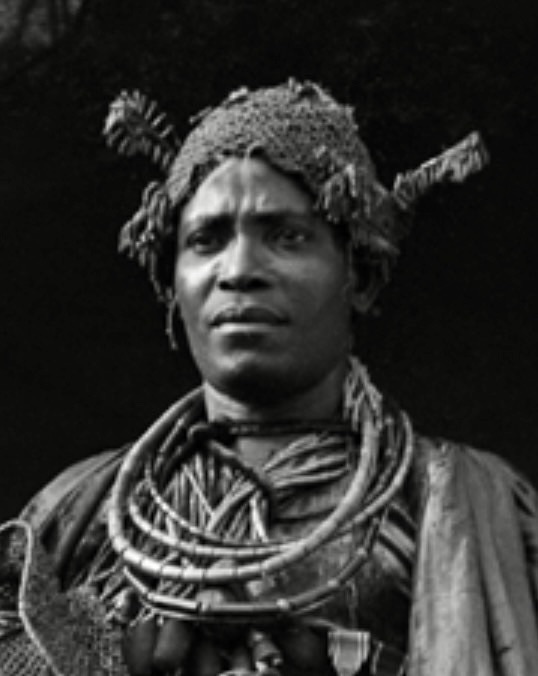
The Land Use Act of 1978 vested radical title to land in the state governor. Customary authorities were meant to operate within that framework, not around it. Yet when the formal system becomes a source of frustration rather than facilitation, human ingenuity finds other routes. Enter the late Oba. His name carries historical weight. The palace, however, maintains no functional modern archive capable of systematic verification. Oral history is the dominant method, and most of the original participants are no longer available for cross-examination. The result is a paper trail that is difficult to audit and easy to exploit.

Anarchism in judicial robes, by Owei Lakemfa

My mind raced back to British jurist, Lord Denning who famously declared in 1964: “Justice has no place in darkness or secrecy. When a judge sits on a case, he himself is on trial… If he is suspicious, biased, or unfair, then the judge is the one who is condemned in the eyes of public opinion.” But these words of wisdom seem not to have any meaning to Justice Lifu, shockingly, a former lecturer of Public and International Law, University of Ibadan. For me, what was more distressing was that despite the uproar, Justice Lifu seemed oblivious of the damage he    had done to the body polity, the judiciary and his thirty five years post-call to bar history.