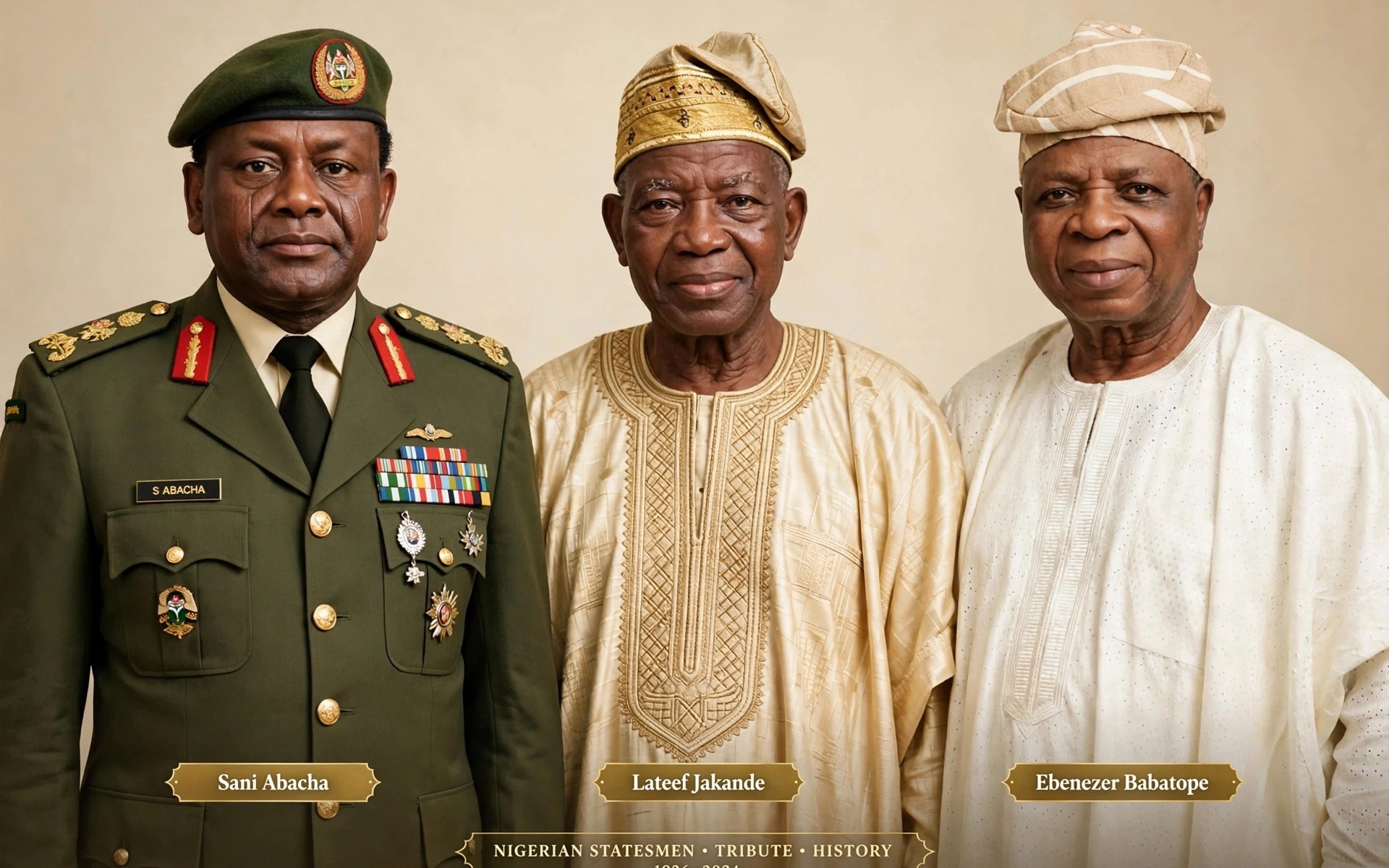
Every faith has its parable of the believer who walks into the wrong building. For Awoism, a doctrine built on discipline, planning and a near-liturgical suspicion of the Nigerian military, the parable arrived in November 1993. General Sani Abacha forced Ernest Shonekan to resign on 17 November 1993 and took over as head of state, and within days the high priests of the progressive tradition were queuing for ministerial briefs.
The Fire Brigade That Lit the Fire: Shettima and the Great Implosion That Never Was by Lawson Akhigbe
In 2015 the APC unseated the PDP and has governed Nigeria ever since. That is eleven years, which in political terms is not so much a tenure as a tenancy with squatter's rights. Mr Tinubu spent the first eight as the party's national leader, with Osinbajo, reportedly his nominee, installed as vice president. Since 2023 he has been president, with Kashim Shettima beside him. Whoever invented the phrase "continuity of government" clearly never imagined it applied this literally.
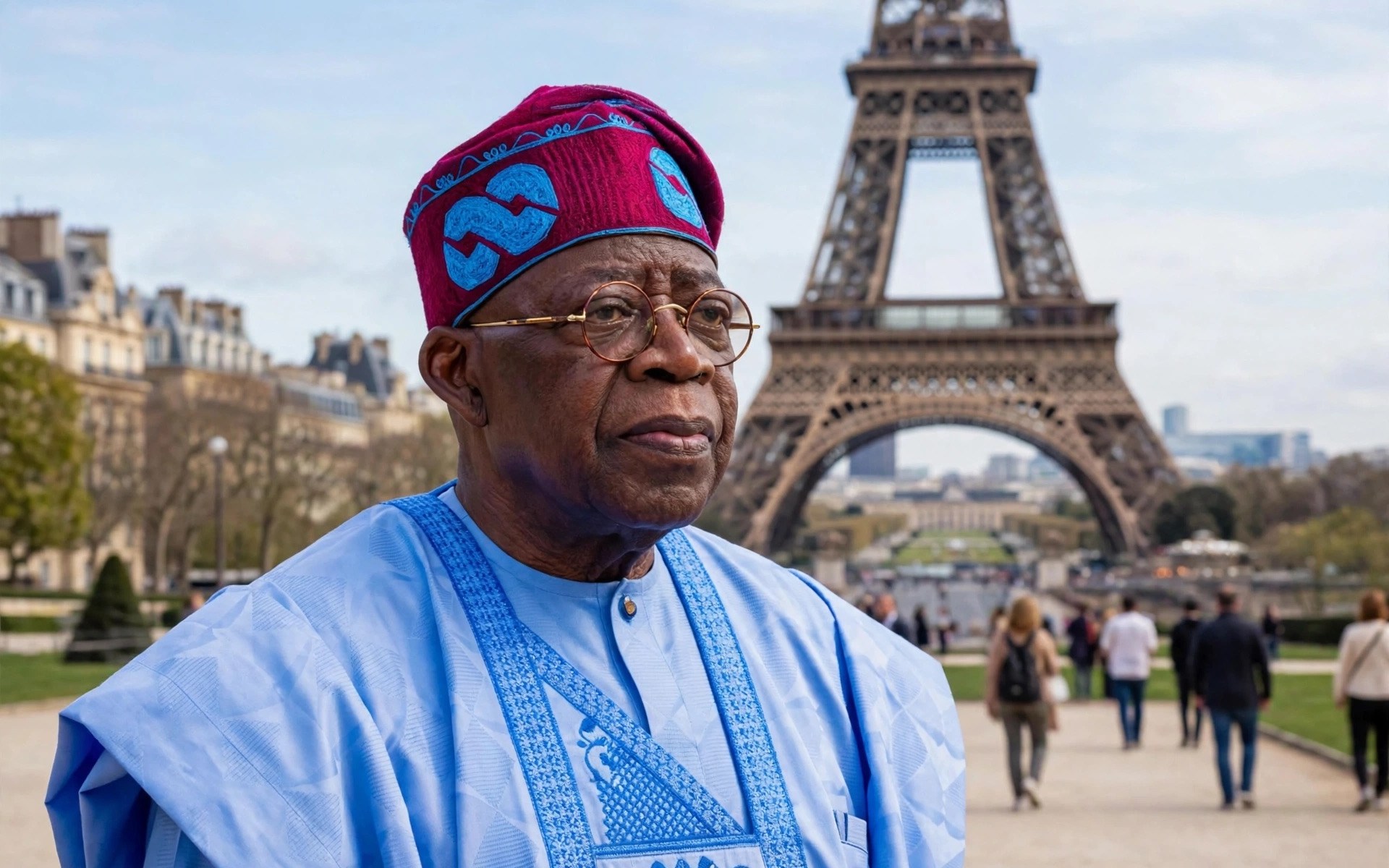
Tinubu’s extended absence by Punch Editorial Board
NIGERIA has a disturbing habit of allowing those in power to treat constitutional restraints as inconveniences rather than obligations. Once again, the country is confronted with questions over presidential absence, constitutional compliance and the willingness of its institutions to hold the powerful to account.
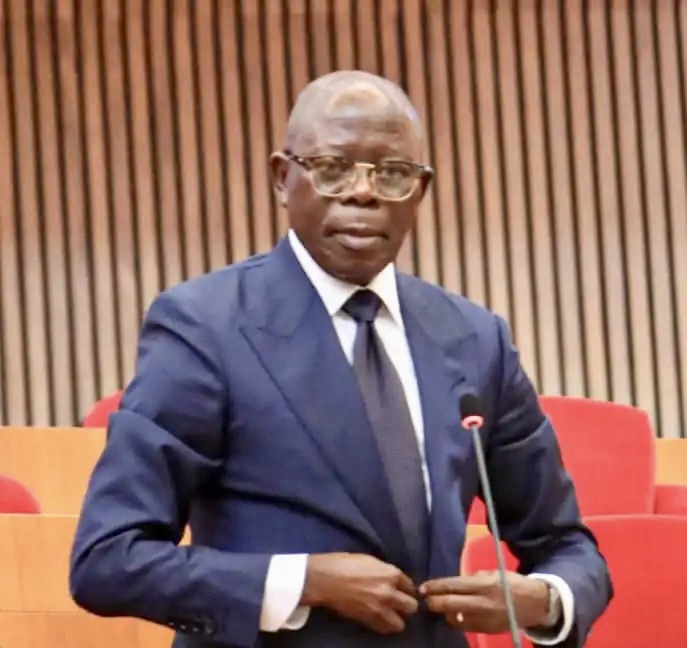
The Barrister Who Never Went to Law School: Adams Oshiomhole and the Art of Speaking from Both Sides of the Mouth by Lawson Akhigbe
Adams Oshiomhole is that rare Nigerian political specimen who managed to climb from factory floor to labour presidency, state house, party chairmanship and the red chamber without the inconvenience of a published higher educational attainment. Self-taught, they say. One imagines him in some dimly lit corner of history, devouring political manuals by candlelight while the rest of his compatriots were busy collecting certificates that later proved about as useful as a raincoat in the Sahara.
Why thousands of West African children were privately fostered by white families By Wedaeli Chibelushi
From the 1950s to the 1970s, it was not at all uncommon for West African children and babies to be fostered via newspapers and childcare journals. The above advert was placed by a Nigerian mother looking for someone to care for her three-month-old.