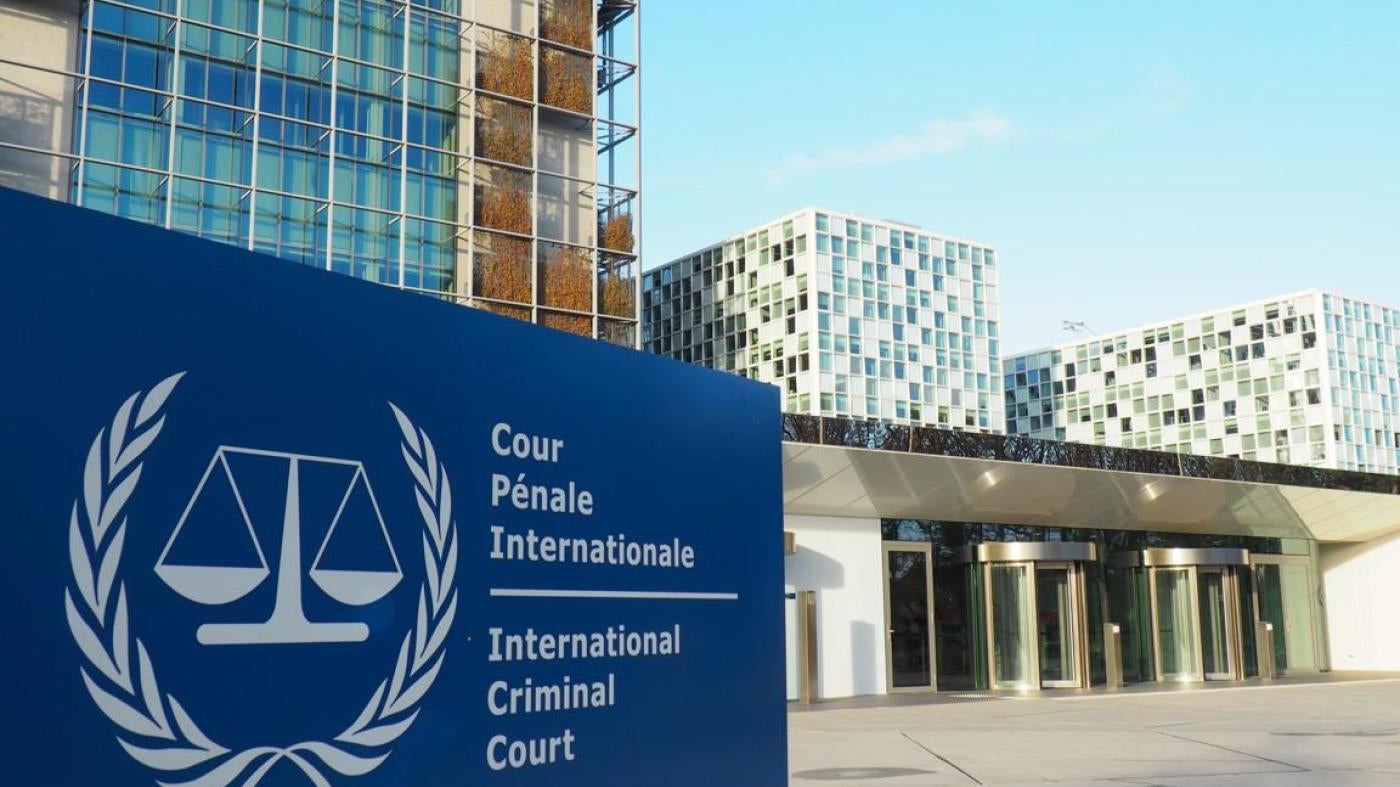
For years the International Criminal Court has operated like a colonial-era court with better stationery and a more solemn logo. The docket groaned under the weight of African cases while the architects of certain adventures in Libya, Iraq, and beyond somehow remained mysteriously unburdened by the same enthusiastic pursuit of accountability. The rule of law, we were solemnly told, was universal. The application, it turned out, was rather more exclusive.
The Law Is a Blunt Instrument by Lawson Akhigbe
In the fearful months and years following the terrorist attacks of 11 September 2001, Western democracies faced an unenviable dilemma. Their citizens demanded protection from an enemy that recognised no borders, wore no uniforms and deliberately targeted civilians.
Accountability Is Not a Presidential Favour by Lawson Akhigbe
The response by the President's Senior Special Assistant on Media and Publicity to Cardinal John Onaiyekan's television interview reveals a troubling misunderstanding of constitutional democracy. It also exposes a growing tendency within this administration to confuse criticism with disloyalty and accountability with discourtesy.
FEC (Federal Executive Council) Approval Process in Nigeria: Overview and Key Details
FEC approvals typically involve Executive Council Memoranda (ECMs) submitted by Ministries, Departments, and Agencies (MDAs). Here’s the structured workflow:
The Samson Strategy: How the Tinubu Government Pulled the Temple Down on Itself Over PFIPC by Lawson Akhigbe
The Bola Ahmed Tinubu administration appears to have forgotten that rule in its handling of the Presidential Foreign Investment Promotion Council (PFIPC) controversy. In its determination to destroy the credibility of one man, Prince Adeniyi Matthew Adeyemi, it may have inflicted collateral damage on something far more valuable: the credibility of official government documentation itself.