The Bulletproof SUV That Disappeared: What The Saraki / Customs Case Tells Ordinary Nigerians About Due Process by Lawson Akhigbe

What should have been a routine anti-smuggling enforcement - fake chassis number, alleged unpaid duty of N74 million on a vehicle valued at N298 million - turned into a full-blown constitutional crisis.

Most. Corrupt. Racist. Incompetent. President of the USA

In his farewell address to the American people in 1989, Ronald Reagan spoke of America as a "shining city upon a hill"—a beacon of freedom, opportunity, democracy, and prosperity. The phrase itself was borrowed from a much older tradition, but Reagan made it uniquely American. The United States was not merely a powerful nation; it was an example to others. A place where institutions mattered, where the rule of law prevailed, and where anyone, regardless of background, could aspire to succeed

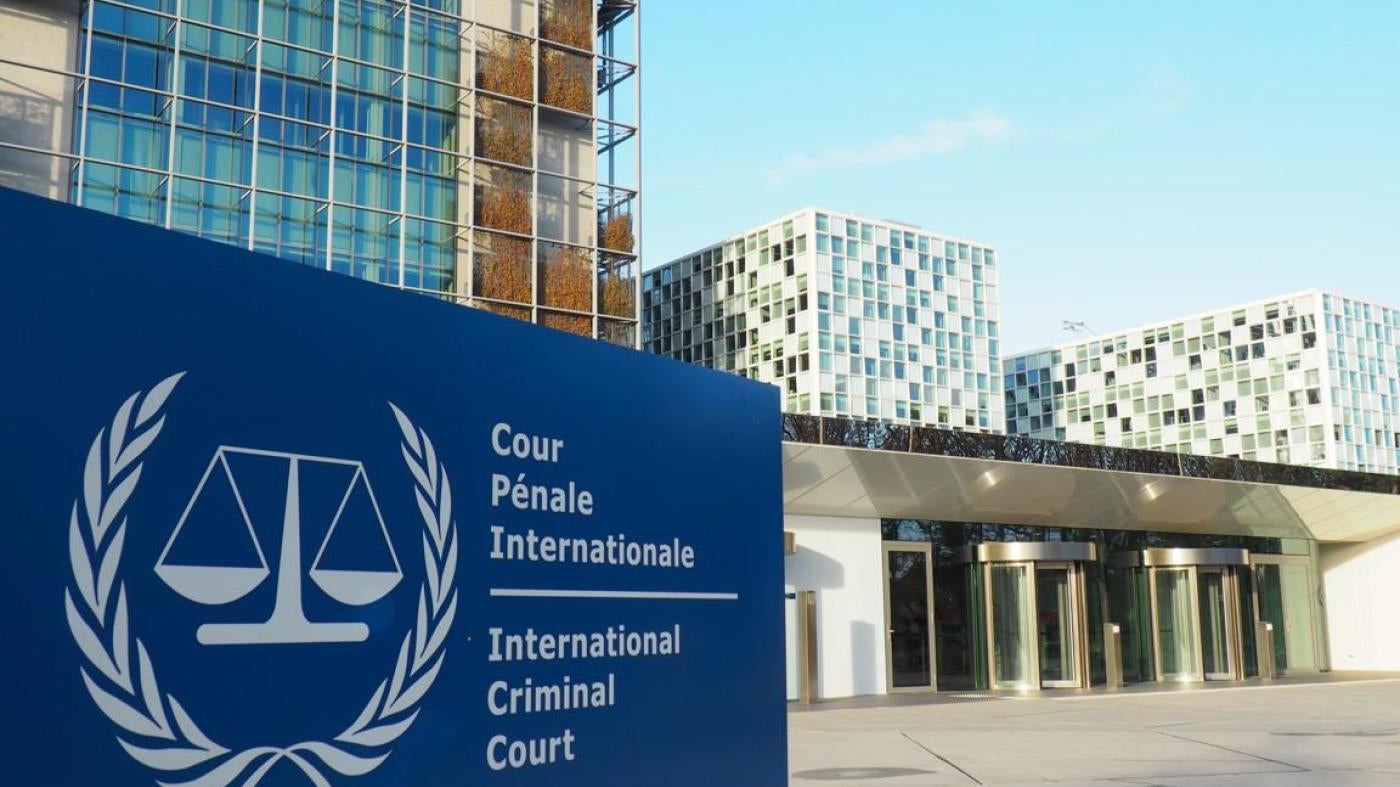
The ICC’s Selective Blindfold: Sharp Justice for Africans, Soft Landing for the Powerful by Lawson Akhigbe

For years the International Criminal Court has operated like a colonial-era court with better stationery and a more solemn logo. The docket groaned under the weight of African cases while the architects of certain adventures in Libya, Iraq, and beyond somehow remained mysteriously unburdened by the same enthusiastic pursuit of accountability. The rule of law, we were solemnly told, was universal. The application, it turned out, was rather more exclusive.

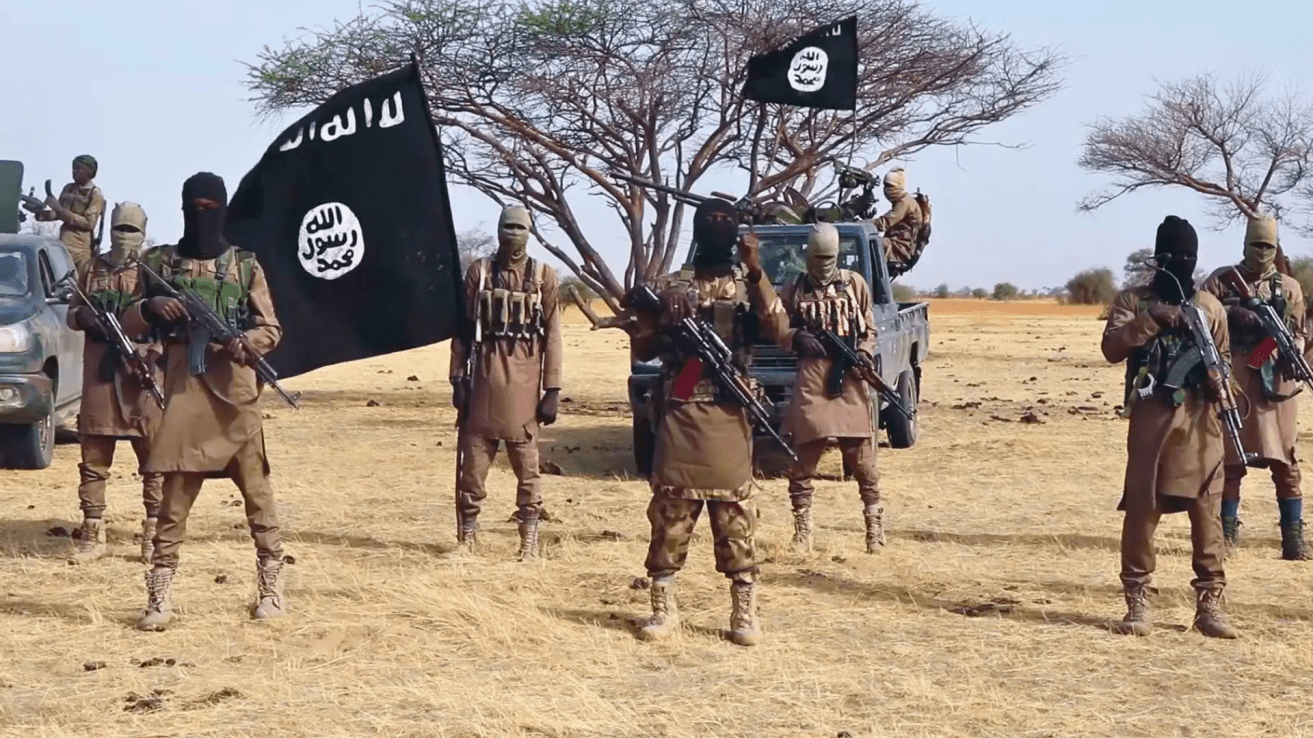
Boko Haram Ransom Tactics: A Multi-Faceted Comparison in the Context of Nigeria’s “Starve the Beast” Dilemma

Boko Haram’s kidnapping-for-ransom (KfR) tactics exemplify the shift Lawson Akhigbe describes in his April 2026 article: modern Nigerian insurgencies as “grotesque startups” where cash flow, not conviction, sustains the beast. What began as opportunistic grabs for foreign hostages evolved into a sophisticated, multi-purpose revenue engine intertwined with ideology, propaganda, recruitment, and psychological warfare. Yet factional splits, territorial losses, and competition with purely criminal bandits have diversified and, in some ways, industrialized these tactics. This analysis compares Boko Haram’s (Jama’atu Ahl as-Sunnah li-Da’awati wal-Jihad, or JAS, under Abubakar Shekau’s legacy) approaches to its ISWAP splinter, to northwestern bandits, and to historical/contemporary parallels (FARC, Somali pirates, AQIM). It draws on evolution, methods, motivations, outcomes, and policy implications—highlighting nuances like gendered violence, government complicity, and the high human cost of “starve the beast” strategies.


Tinubu’s Lagos Governance Tactics (1999–2007): The Laboratory for the “Lagos Model” by Lawson Akhigbe

These tactics blended fiscal innovation, technocratic recruitment, institutional reform, political networking, and strategic confrontation with the federal government. They created the so-called “Lagos Model”, a proof-of-concept for sub-national self-sufficiency that influenced his successors (Fashola, Ambode, Sanwo-Olu) and later his national approach.