Rewritten from 2017: The Fine Art of the Birthday Bill-Board: Why the Governor Doesn’t Get the Joke by Lawson Akhigbe

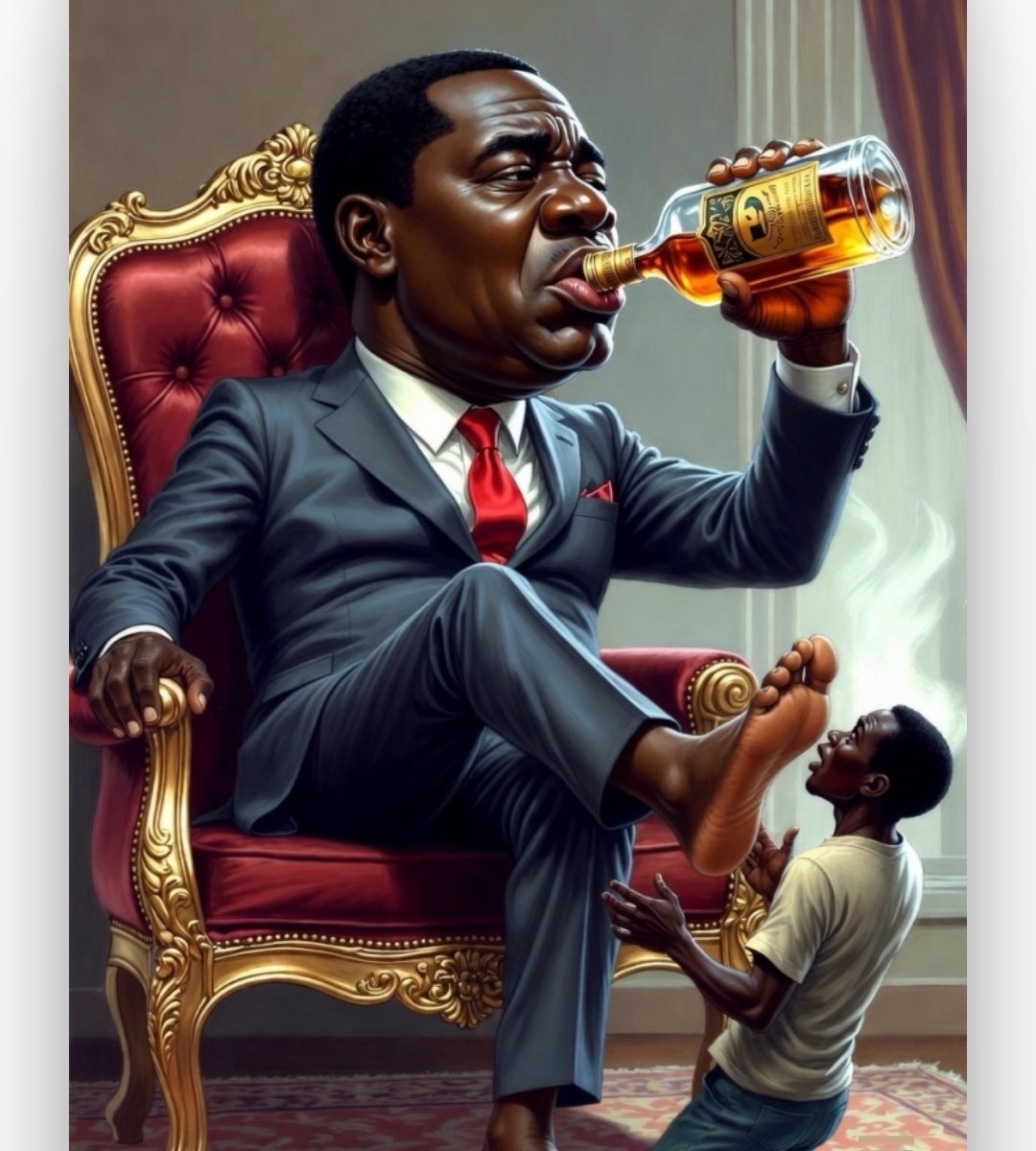
Governor Godwin Obaseki of Edo State was turning 58, and he has a shocking, counter-cultural request for his inner circle: Please, stop spending millions to paste my face on the front page of the newspapers.
According to a poignant statement from his Chief Press Secretary, John Mayaki, the Governor was deeply worried about the plight of vulnerable street children. To fix this, he wanted his well-wishers to take the massive budgets usually reserved for full-page birthday spreads and donate them to the WeCare Trust orphanage.

Thomas More’s Utopia

Utopia (full Latin title: Libellus vere aureus, nec minus salutaris quam festivus, de optimo rei publicae statu deque nova insula Utopia) is a seminal 1516 work by Sir Thomas More (1478–1535). It is one of the most influential books of the Renaissance and the founding text of the modern utopian literary genre. Understanding its historical context reveals it as a sophisticated product of its time—blending humanism, social criticism, travel literature, and political philosophy—while also serving as a subtle mirror to the anxieties and aspirations of early Tudor England and Europe.

How Ghost Ships Emptied Nigeria’s Treasury (And Why You’re Still Paying the Fare in 2026)

You think petrol became expensive in 2026? Cute. It actually became expensive the day Nigeria’s political class realised they could sell you empty air, stamp a piece of paper “premium motor spirit,” and cash the cheque at the Central Bank. The most elegant example remains the MT Emerald.

The World Bank, Industrial Policy, and Africa by Dr Fikayo Akeredolu

If you are an African policymaker/technocrat/leader who has been following the World Bank’s development advice for the last say 30 years, this finding would shock you.

Terrorists Should Not Be Given a Broadcast Licence by Lawson Akhigbe

At the height of the Troubles in Northern Ireland, the British government imposed restrictions on the direct broadcast of the voices of leading members of the Irish Republican Army (IRA) and associated organisations. Most notably, the BBC and other broadcasters were prohibited from airing the voices of figures such as Gerry Adams, then president of Sinn Féin, which was widely regarded as the political wing of the IRA. Television stations resorted to using actors’ voices to relay statements instead.