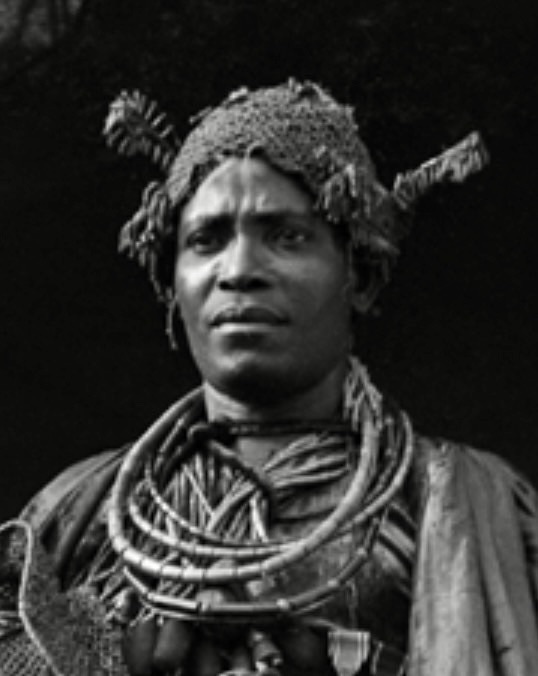

The Land Use Act of 1978 vested radical title to land in the state governor. Customary authorities were meant to operate within that framework, not around it. Yet when the formal system becomes a source of frustration rather than facilitation, human ingenuity finds other routes. Enter the late Oba. His name carries historical weight. The palace, however, maintains no functional modern archive capable of systematic verification. Oral history is the dominant method, and most of the original participants are no longer available for cross-examination. The result is a paper trail that is difficult to audit and easy to exploit.
Anarchism in judicial robes, by Owei Lakemfa
My mind raced back to British jurist, Lord Denning who famously declared in 1964: “Justice has no place in darkness or secrecy. When a judge sits on a case, he himself is on trial… If he is suspicious, biased, or unfair, then the judge is the one who is condemned in the eyes of public opinion.” But these words of wisdom seem not to have any meaning to Justice Lifu, shockingly, a former lecturer of Public and International Law, University of Ibadan. For me, what was more distressing was that despite the uproar, Justice Lifu seemed oblivious of the damage he had done to the body polity, the judiciary and his thirty five years post-call to bar history.
When the Family Becomes the Coroner: Has Nigeria Turned Cause of Death into a Matter of Opinion By Lawson Akhigbe
On 23 August, I wrote on this platform about the danger of treating the law as an optional accessory in suspicious deaths. I asked a simple question: when a Nigerian dies suddenly and in circumstances requiring investigation, who decides how that death occurred? The family, or the law?
When Laws Become Optional: Suspicious Deaths, Colonial Legacies, and the Dignity Deficit in Nigeria by Lawson Akhigbe
The difference between the United Kingdom and Nigeria is not primarily in the letter of the law. It is in the general application and consistent enforcement of that law. This divergence reveals a deeper reality about how the Nigerian state relates to its citizens.
Navigating the Void: Why Nigeria Needs a Corporate Deferred Prosecution Agreement (DPA) Framework
In a standard DPA regime, a company that self-reports and cooperates can avoid the "corporate death penalty" of a criminal conviction. In Nigeria, we are currently forced to rely on the Administration of Criminal Justice Act (ACJA) 2015. While the ACJA provides for Plea Bargaining, it is a fundamentally different animal from a DPA: