Anarchism in judicial robes, by Owei Lakemfa

My mind raced back to British jurist, Lord Denning who famously declared in 1964: “Justice has no place in darkness or secrecy. When a judge sits on a case, he himself is on trial… If he is suspicious, biased, or unfair, then the judge is the one who is condemned in the eyes of public opinion.” But these words of wisdom seem not to have any meaning to Justice Lifu, shockingly, a former lecturer of Public and International Law, University of Ibadan. For me, what was more distressing was that despite the uproar, Justice Lifu seemed oblivious of the damage he    had done to the body polity, the judiciary and his thirty five years post-call to bar history.

Uncounted in Life, Unrecorded in Death: Nigeria’s Costly Dignity Deficit By Lawson Akhigbe

here is an old, bitter administrative joke in Nigeria that you are only formally counted twice: never when you arrive, and certainly not when you leave. In between, your existence is largely an unverified rumor negotiated between your creator, your luck, and whatever age declaration affidavit you paid a court clerk two thousand Naira to stamp.

The Nigerian Police Force: A Colonial Machine That Never Changed by Lawson Akhigbe

To understand the modern Nigerian Police Force, one must first understand its origins. The uncomfortable truth is that the institution was never created to protect ordinary Nigerians. It was established to protect the interests of those who ruled Nigeria, first the British colonial administration and later the Nigerian political elite that inherited the colonial state.

ITS THE CONSTITUTION, STUPID: A QUESTION THAT NEVER NEEDED ASKING By Lawson Akhigbe

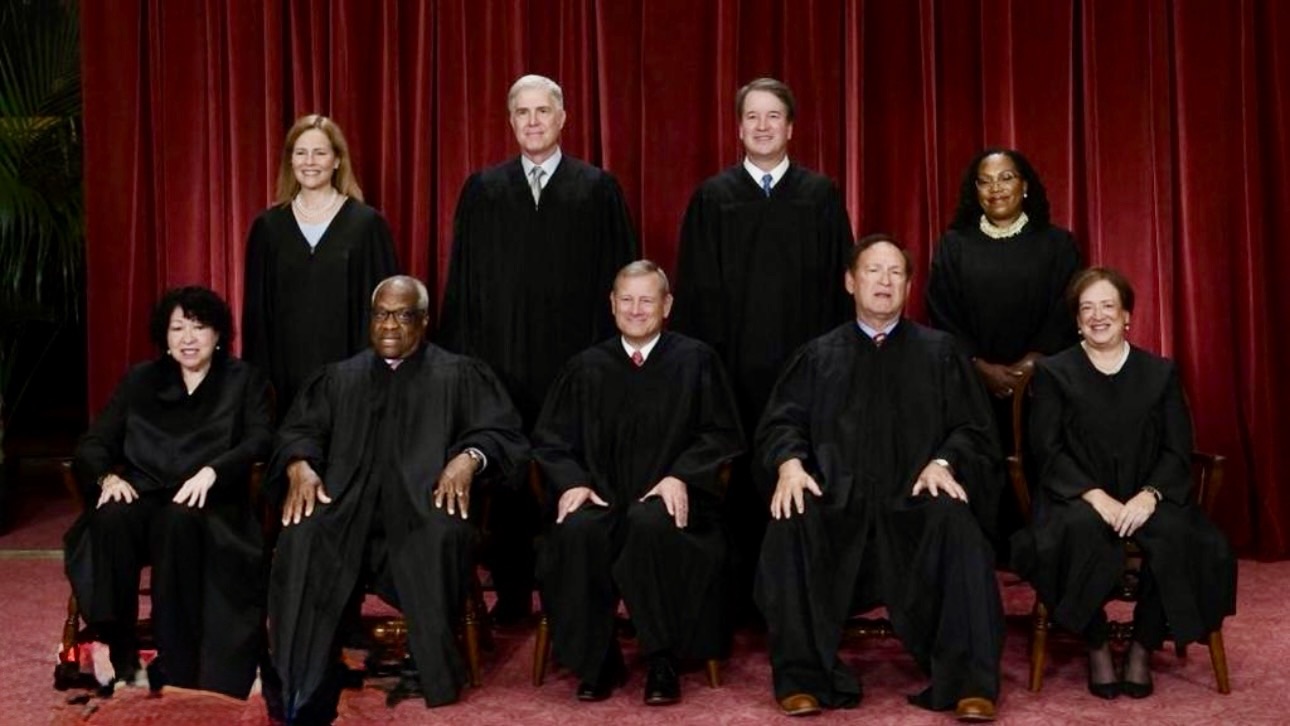
The Supreme Court’s 6–3 ruling in Trump v. Barbara successfully blocked an executive order attempting to end birthright citizenship. But the real scandal isn’t that Trump tried to delete the Fourteenth Amendment with a memo—it’s that the Court elevated this transparent stunt into an 18-month crisis by agreeing to hear it at all. You cannot amend the Constitution via an executive order or a regular congressional bill; doing so requires the grueling, historic process of Article V. Treating a foundational constitutional right as a casual negotiation opener is political vandalism from the White House, and a "romantic delusion" from a Court that gave the attack a stage. The constitutional wall stood, as it always was going to. The pity is that the judiciary treated the assault on it as a debate worth entertaining, putting the status of 255,000 children a year on trial for pure political theater.