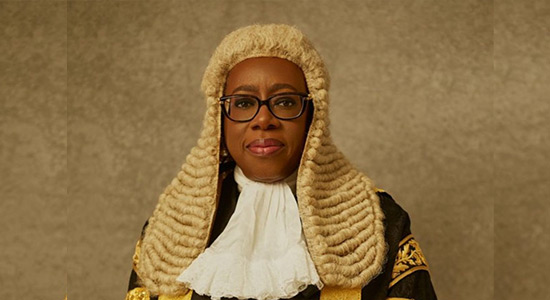
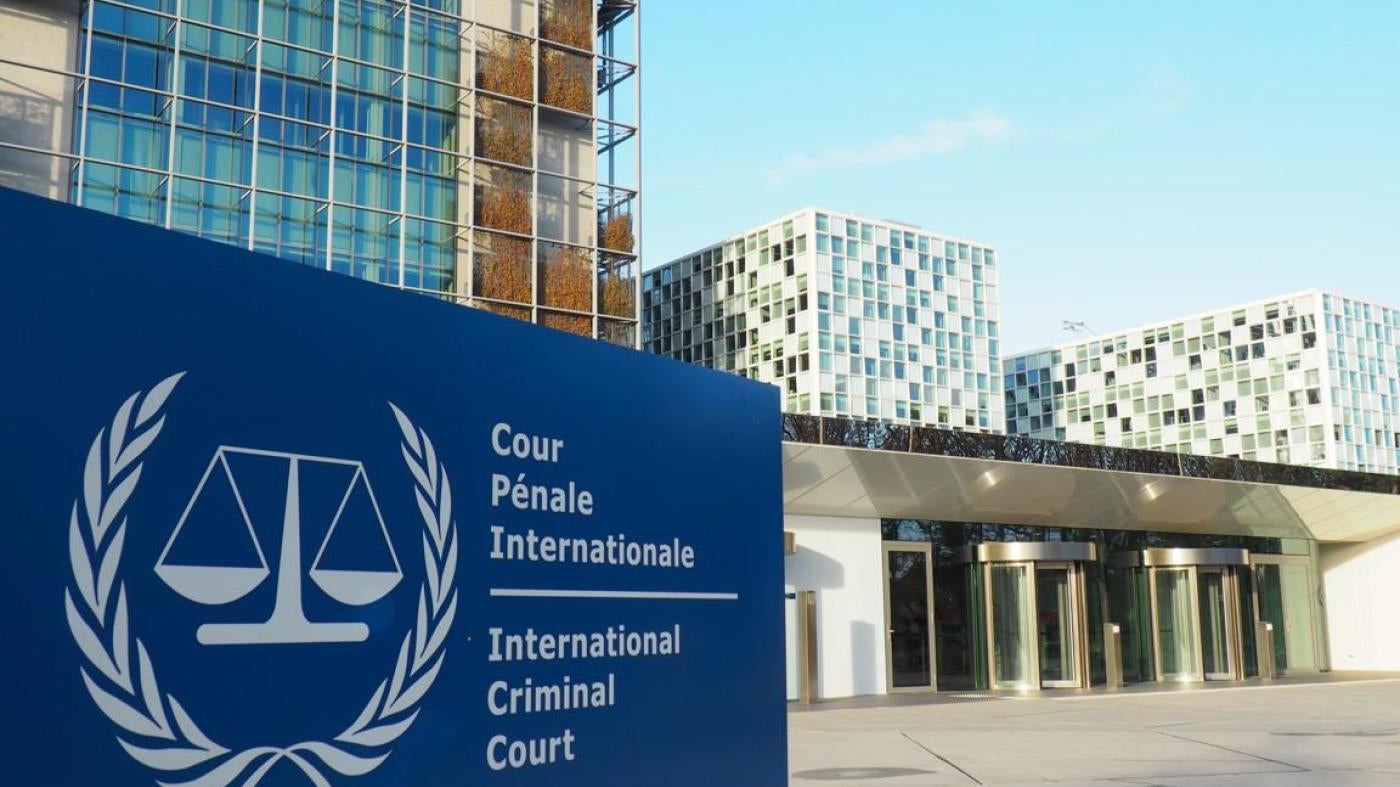
Nigeria has finally built the legal architecture for a self-sufficient judiciary. The challenge for the remainder of 2026 and beyond is ensuring fiscal discipline. With the judiciary now managing its own billions, the public is shifting its focus from "Why is the court broke?" to "How transparently is the court spending our money?" For the first time in history, the Nigerian judiciary has the tools to be truly independent, now, it just needs to prove it can manage them.
Diezani, Nigerian Courts and the Curious Case of Litigating Without Appearing by Lawson Akhigbe
“...The issue is not whether Diezani Alison-Madueke’s lawyers are competent to file applications from across the Atlantic. The more fundamental question is whether a defendant who has consistently declined to present herself before a Nigerian court should enjoy unrestricted access to its procedural remedies. Can you ignore the coercive aspects of judicial authority while selectively enjoying its protections? The Supreme Court’s reasoning in *Nwaoboshi v. FRN* reminds us that respect for the law is a two-way street. If a high-profile defendant can stay abroad indefinitely, block forfeitures, and tender evidence via proxy without ever standing in the dock, we face a uncomfortable reality: submission to the authority of Nigerian courts is fast ceasing to be a requirement, and becoming merely an option. It turns the justice system into an *à la carte* menu—and it threatens the very credibility of our criminal justice system.”
Wike: Je Suis La Loi (French) I am the law by Lawson Akhigbe
Emperor Wike In the grand theatre of Nigerian politics, Nyesom Wike never misses his cue. His latest press conference, staged with all the theatrical pomp of a Roman emperor granting audience to trembling subjects, was no exception. Perched loftily above the journalists—who gazed up as if awaiting crumbs of imperial wisdom—Wike radiated Abuja-Emperor energy. If …
Continue reading "Wike: Je Suis La Loi (French) I am the law by Lawson Akhigbe"