

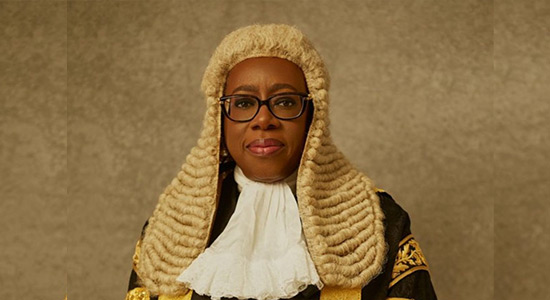
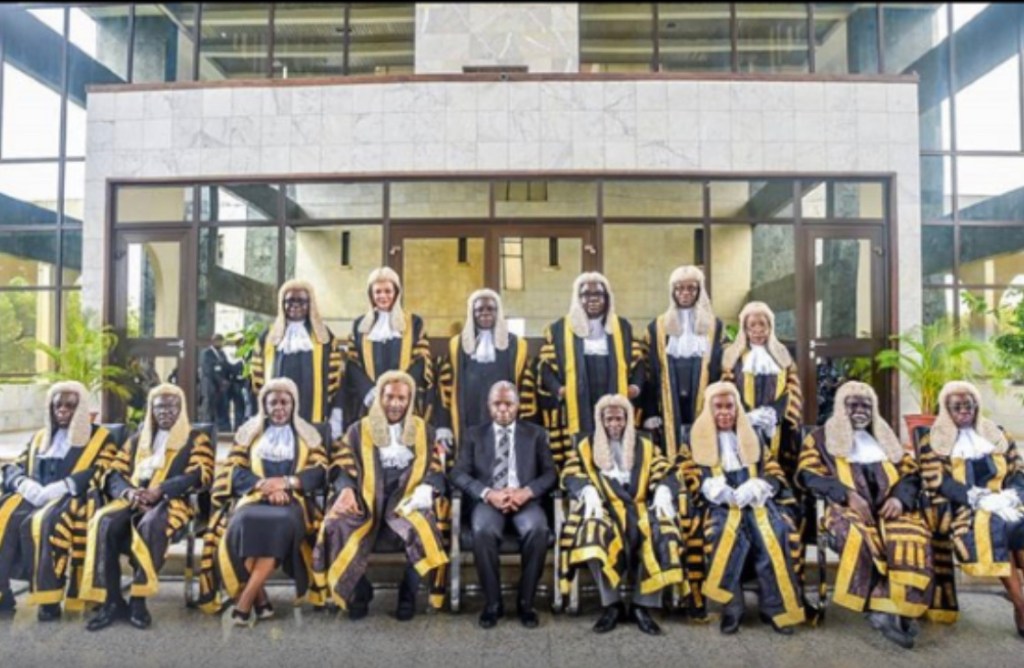
For decades, the Nigerian judiciary was often described as the “impoverished” arm of government. While the Executive and Legislature moved in convoys and operated from refurbished complexes, judicial officers across the federation worked in crumbling courtrooms, some even recording proceedings by hand due to a lack of basic technology.
However, between 2024 and 2026, a series of legislative and constitutional earthquakes shifted the landscape. Here is how Nigeria is attempting to buy back the independence of its courts.
1. The 300% Reset: The 2024 Salaries Act
The most visible reform came with the Judicial Office Holders (Salaries and Allowances, etc.) Act 2024. Before this, judges’ salaries had been stagnant since 2007, a period during which the Naira lost significant value and inflation hit double digits.
The Act didn’t just provide a modest raise; it enacted a massive upward review, in some cases increasing remuneration by 300%. This wasn’t merely about comfort; it was a strategic move to insulate the bench from the temptations of corruption. By providing “hardship,” “security,” and “motor vehicle” allowances, the law aimed to ensure that a judge’s loyalty belongs to the Constitution, not a benefactor.
2. Breaking the “Governor’s Grip”
The true battle for judicial independence has always been fought at the state level. Historically, state judiciaries had to “beg” governors for their monthly allocations, giving the executive undue leverage over legal outcomes.
Recent constitutional alterations to Section 121(3) have changed the game. The law now mandates that any money due to the Judiciary from the State’s Consolidated Revenue Fund must be paid directly to the heads of courts. To ensure this isn’t ignored, new Disbursement Committees have been established. These committees act as a firewall, ensuring that funds move automatically from the treasury to the court’s accounts without needing a governor’s signature for every lightbulb or stationery order.
3. The Implementation Gap: 2025 and 2026 Realities
As we move through 2026, the rhetoric of “autonomy” is meeting the cold reality of “liquidity.” While the legal framework is now robust, the execution remains a work in progress:
- The Capital Funding Crisis: While salaries (Personnel Costs) are being paid, “Capital Expenditure”, the money needed to build digital courtrooms and modern archives, is lagging. In recent budget cycles, some departments reported that only 12% of their capital budget was actually released in cash.
- The Technology Push: The 2026 budget proposal reflects a shift toward a “paperless” system. The Ministry of Justice has requested over ₦23 billion to drive digitalization, but the National Assembly is demanding stricter transparency on how the National Judicial Council (NJC) manages these massive sums.
Then vs. Now: A Quick Comparison
Judicial Salaries
- The Old Era: Salaries were frozen for 17 years, leaving judges vulnerable to economic pressure.
- The Reform Era: Pay has been indexed to modern economic reality with a 300% increase.
State-Level Funding - The Old Era: Money was released at the Governor’s whim, often used as a tool for political control.
- The Reform Era: Funds are transferred directly to Court Heads, bypassing the executive’s “pocket.”
Budgetary Oversight - The Old Era: The judiciary was a financial appendage of the Executive branch.
- The Reform Era: The National Judicial Council (NJC) and dedicated State Committees now manage independent budgets.
Infrastructure & Tech - The Old Era: Dilapidated buildings and manual record-keeping were the norm.
- The Reform Era: A slow but aggressive transition toward a “Digital Justice” model is underway.
The Road Ahead
Nigeria has finally built the legal architecture for a self-sufficient judiciary. The challenge for the remainder of 2026 and beyond is ensuring fiscal discipline.
With the judiciary now managing its own billions, the public is shifting its focus from “Why is the court broke?” to “How transparently is the court spending our money?” For the first time in history, the Nigerian judiciary has the tools to be truly independent, now, it just needs to prove it can manage them.

