Scotland has a parliament, a flag, a football team that loses with tremendous dignity, and roughly the population of Lagos’s Ikeja Local Government Area. The Yoruba nation and I use the word advisedly has an empire’s worth of history, a written and oral constitutional tradition running from Ile-Ife through the Oyo Mesi and the Alaafin’s checks and balances, a diaspora spanning three continents, and something in the region of forty million native speakers. One of these is routinely described in the Financial Times as a nation debating its constitutional future. The other is routinely described, by the same publication, as a tribe engaged in an ethnic dispute. I invite the reader to spot the empirical difference. I have been looking for thirty years and have found only prejudice wearing a monocle.
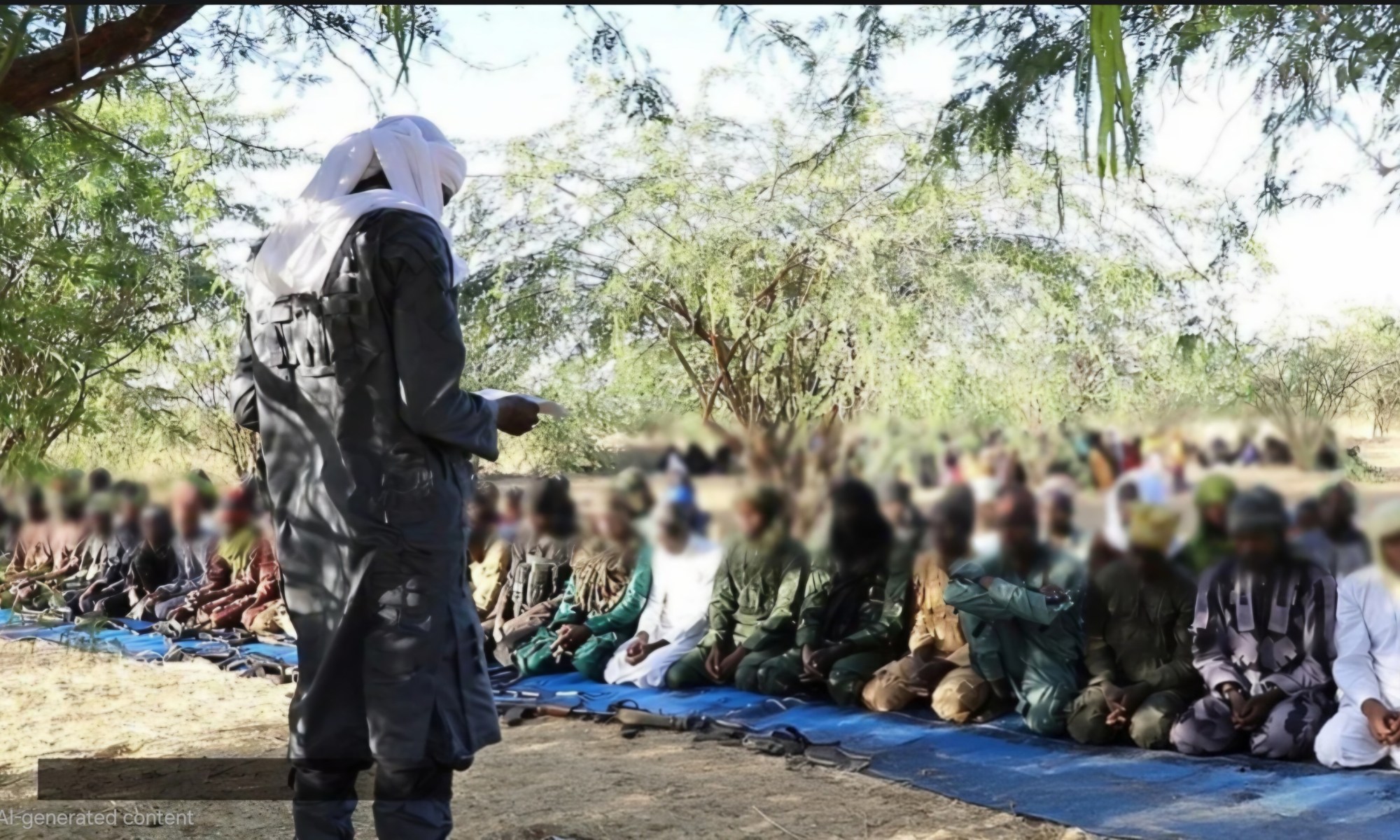
Looted weapons from Libya found with Nigerian extremists – UN
The UN’s top disarmament official expressed regret that weapons continued to fuel violence in communities long after wars ended, causing devastation across once peaceful communities.
IS Responds to Military Pressure in Nigeria
Despite Nigeria's assessment, the emerging consensus was that Lakurawa was not a unified entity but rather an umbrella term, and that attacks attributed to the group were likely perpetrated by a mix of Islamic State Sahel Province (ISSP). JNIM, bandits. and potentially a separate new group operating under the label without claiming responsibility.
Tinubu, the Sahel and Nigeria’s Most Dangerous Foreign Policy Failure
There was a time when Nigeria did not wait for foreign capitals to define West African security. From the anti-apartheid struggle in Southern Africa to military interventions in Liberia and Sierra Leone, Nigeria projected power, influence and diplomatic leadership. Whether one agreed with its methods or not, nobody doubted who was leading.
Sahel Regional Security Dynamics: A Multifaceted Analysis (as of late 2025–early 2026)
The modern Sahel crisis traces back to the 2011 Libyan collapse, which flooded the region with weapons and fighters, reigniting Tuareg rebellions in northern Mali in 2012. This enabled Islamist groups to seize territory, leading to French intervention (Operation Serval in 2013, later Barkhane). Initial gains were undermined by persistent weak governance: corruption, urban-rural divides, ethnic tensions (e.g., Fulani pastoralists vs. agricultural communities), and state absence in rural peripheries.