

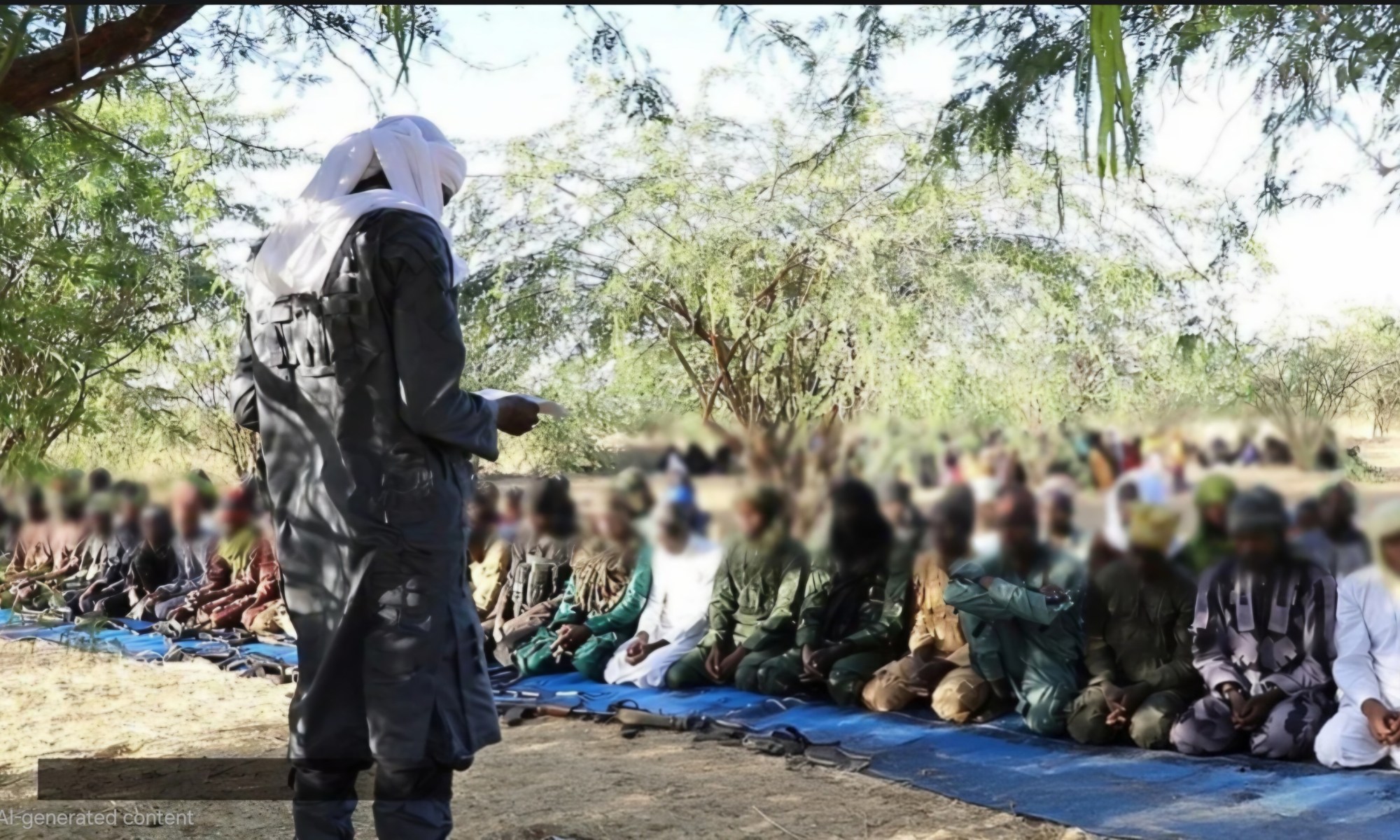
The identity of a “new’ militant group in northwest Nigeria’s Kebbi and Sokoto states has been subject to fierce debate since it entered the spotlight in 2024. Lakurawa, a local term used to label the group, was designated a singular terrorist organisation by the Nigerian government in early 2025, which reported that it was composed of fighters who had entered the country from Mali and Niger.
Despite Nigeria’s assessment, the emerging consensus was that Lakurawa was not a unified entity but rather an umbrella term, and that attacks attributed to the group were likely perpetrated by a mix of Islamic State Sahel Province (ISSP). JNIM, bandits. and potentially a separate new group operating under the label without claiming responsibility.
Last week. the debate was settled. at least partially. In its weekly publication al-Naba. IS claimed two attacks against the Nigerian military in Kebbi and Sokoto, which it described as a “new battlefield expansion” for ISSP. It further noted that the operations marked “the first time in which soldiers of the Caliphate officially announced their attacks in that part of the country'” with previous ISSP activity conducted unacknowledged for operational security reasons.
Although significant, confirmation that ISSP is active in northwest Nigeria is far from ground breaking, as many had already drawn that conclusion from the group’s operations across the border in Niger. Questions now remain over which other actors are operating under the Lakurawa label, though among them are likely JNIM.
The timing of IS’ announcement was a direct response to the pressure that its other province active in Nigeria, Islamic State West Africa Province (ISWAP). has recently faced in the northeast. On 16 May the Nigerian and US militaries killed one of ISWAP’s highest-ranking leaders, Abu-Bilal al-Minuki, along with senior commanders and rank-and-file fighters in Borno state.
Following the military operation, ISWAP failed to claim an attack for two weeks. The radio silence, the group later explained was due to a strike on a media outpost. ISWAP has since resumed claiming attacks and, coupled with ISSP’s publicised presence, it appears that the central organisation is attempting to demonstrate strength during a testing period – one that has reportedly led it to temporarily ban the movement of foreign fighters into the northeast.
Aside from ongoing Nigerian and US military operations, ISWAP may also face challenges replacing al-Minuki and other commanders. HumAngle has reported that the group likely possesses the resilience to but that adapt to a change in leadership internal dynamics such as ethnicity. lineage, and battalion loyalties” may make this transition more difficult than those before, especially with a new generation of fighters expected to assume these positions.

