The Ghost Who Keeps Signing by Lawson Akhigbe

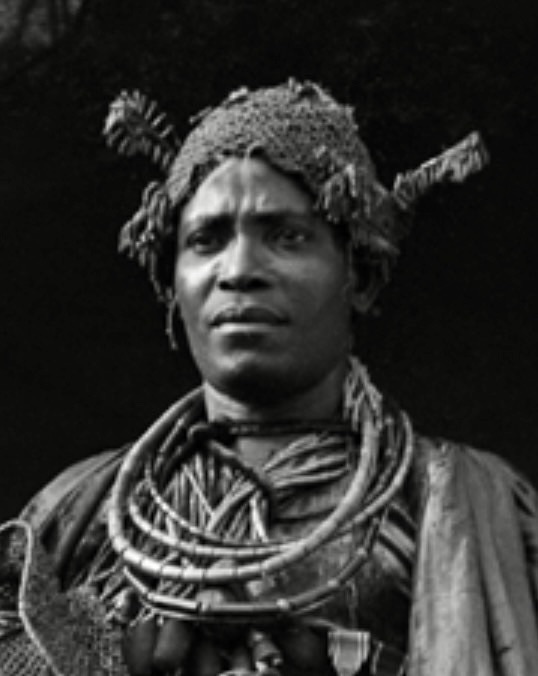
The Land Use Act of 1978 vested radical title to land in the state governor. Customary authorities were meant to operate within that framework, not around it. Yet when the formal system becomes a source of frustration rather than facilitation, human ingenuity finds other routes. Enter the late Oba. His name carries historical weight. The palace, however, maintains no functional modern archive capable of systematic verification. Oral history is the dominant method, and most of the original participants are no longer available for cross-examination. The result is a paper trail that is difficult to audit and easy to exploit.

On the Sartorial Decline of the Nigerian Political Class: Monday Okpebholo, Yekini Idiaye, and the Wardrobe of Impunity By Lawson Akhigbe

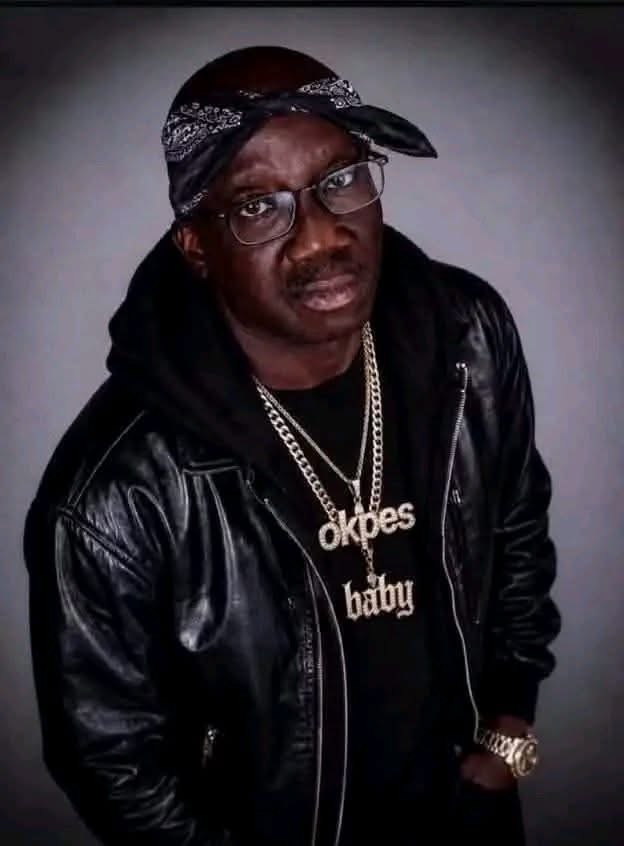
Governor Monday Okpebholo of Edo State is a man who, on the evidence of a recent photograph shaking hands with new Speaker of the Edo State House of Assembly Yekini Idiaye, appears to have mistaken the office of Chief Executive for a weekend errand run. A branded baseball cap. Clothing better suited to a beer parlour than a state formal meeting. Khaki trousers that suggest safari rather than sovereignty. This is not a man dressing down to meet the people. This is a man dressing as though the people are an inconvenience he is squeezing in between other appointments.

Edo State: A Historical Analysis of Its Colonial Origins, Ethnic Composition, and Linguistic Heritage by Lawson Akhigbe

To truly understand Edo State today, one must trace its lineage back to the colonial provinces that formed its core: Benin Province and Afemai Province.

Life Imprisonment for Child Sexual Assault: Legal Basis and Constitutional Considerations by Lawson Akhigbe

The primary statutory authority for this sentence is Section 260 of the Kebbi State Penal Code Law, 2021, which criminalizes "unnatural offences." While the exact wording of Kebbi State's provision isn't publicly available in full, similar provisions in northern Nigerian penal codes typically define "unnatural offences" as carnal intercourse against the order of nature, which judicial interpretation has extended to include same-sex sexual acts and anal intercourse.

🧑🏽‍⚖️ Why Nigerian Lawyers Call Lady Judges “Sir” in the 21st Century by Lawson Akhigbe

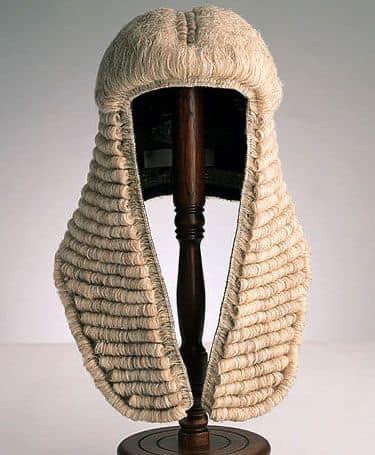
In Nigeria’s courtrooms, even the 21st century must wait its turn. The legal profession, frozen in colonial etiquette, still calls female judges “Sir.” Here’s how history, tradition, and a dash of fear conspired to make modernity plead guilty. The Courtroom Time Warp If there’s ever been a courtroom moment that captures Nigeria’s unique relationship with …