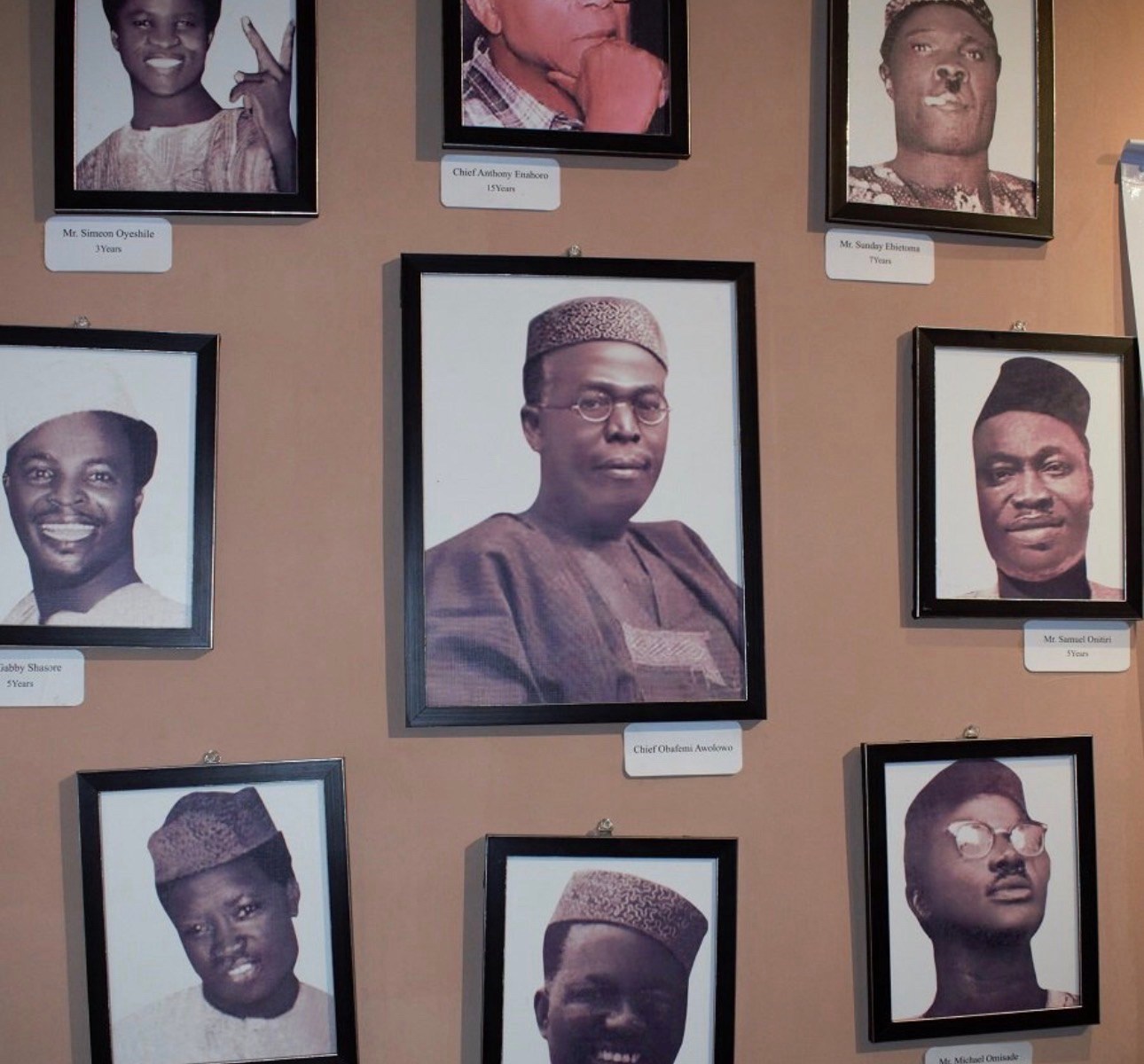
Awo’s 1966 Prison Letter: The Job Application Written in Chains by Lawson Akhigbe
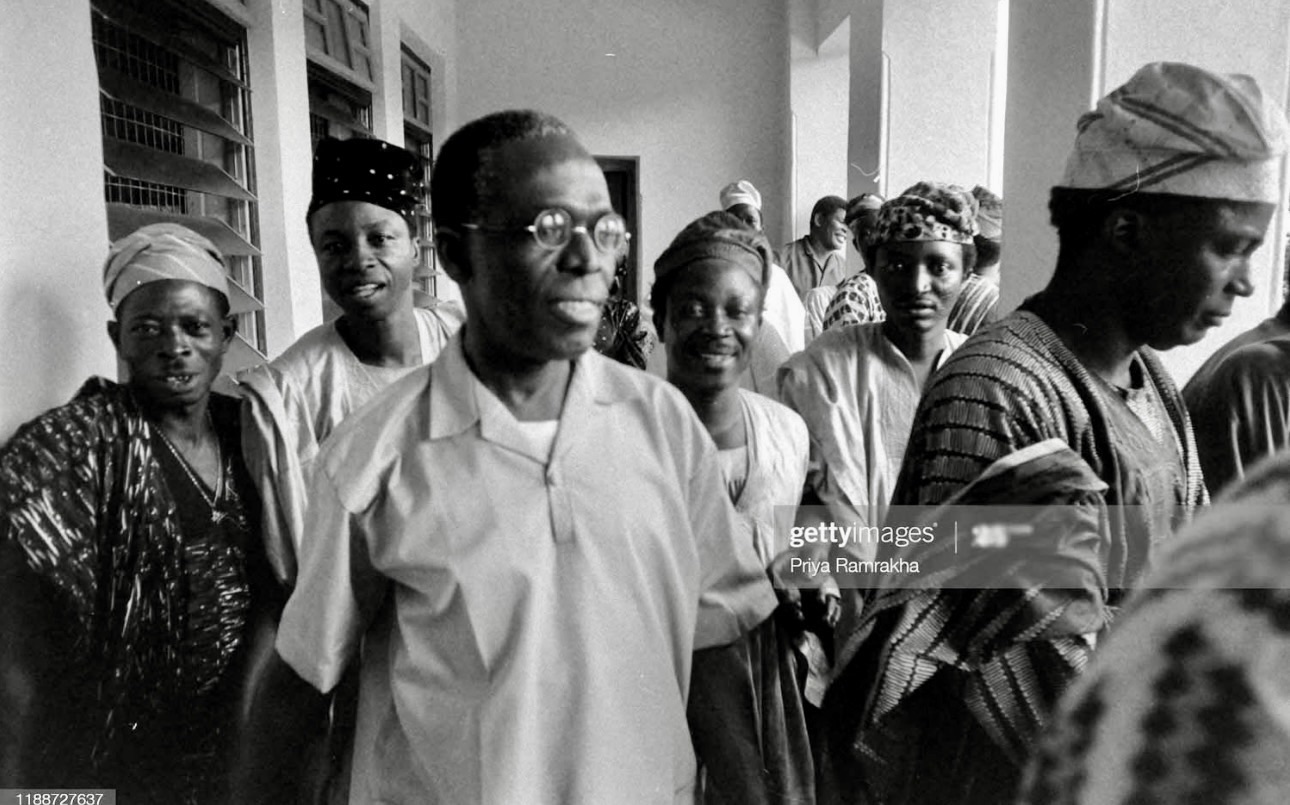
On 28 March 1966, while the rest of Nigeria was still adjusting to the strange new reality of soldiers in charge, Chief Obafemi Awolowo sat in Calabar Prison and wrote what must rank as one of the most elegant job applications in Nigerian history. It was addressed to Major-General Johnson Aguiyi-Ironsi, the man who had just inherited a broken country, and it asked, with exquisite politeness, for a free pardon.

OBAFEMI AWOLOWO’S LETTER FROM PRISON

Before I go further, I would like to stress that the reasons which I advance in support of this petition, in my own behalf, basically hold good for my said colleagues. For they share the same political beliefs with me, and have intense and unquenchable loyalty for the ideals espoused by the Party which I have the honour to lead

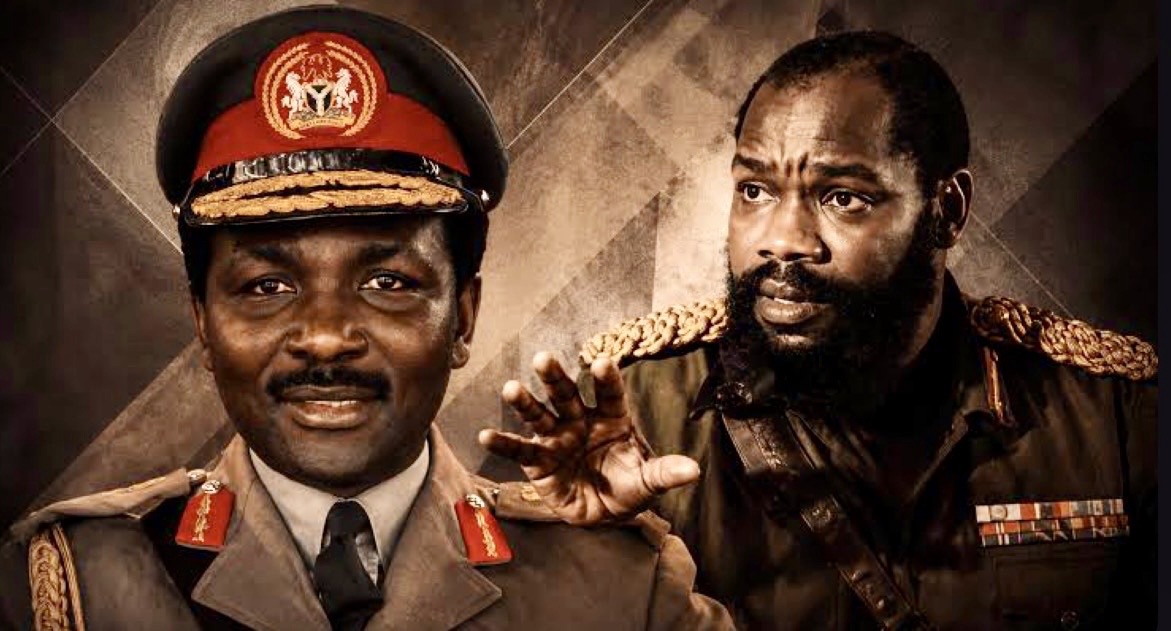
Rejoinder: BOOK REVIEW: Yakubu Gowon’s “My Life of Duty and Allegiance”, – Aburi Accord failed due to federal backtracking, not Ojukwu’s intransigence,’ says Onoh by Oluyemi Ogunseyin

Drawing from over a decade of deep, personal discussions with his late brother-in-law, Ojukwu, in his private residence and office, as well as his personal interactions with late Col. Achuzie and particularly his 1998–1999 conversations with late Maj. Gen. Philip Effiong, Onoh said his narrative is a firsthand account of the events.

BOOK REVIEW: Inside Yakubu Gowon’s “My Life of Duty and Allegiance”, By Mathew Hassan Kukah

The reader will be right to expect that this book will be the biography to end all biographies and accounts of Nigeria’s chequered history through three coups and a civil war. If you are expecting any revelations from declassified documents, private papers and notes, the reader might be disappointed. The reasons is that, from the beginning, the author confesses that: I want to emphasise that I am telling my story without access to my crucial personal records since many important documents taken from my desk after my removal in July 1975 were discarded by those who succeeded me. Other documents that survived were destroyed by two fire incidents in Bakori and Kaduna(xxi). Yet, none of this diminishes the book which obviously was written straight from whatever he could remember.

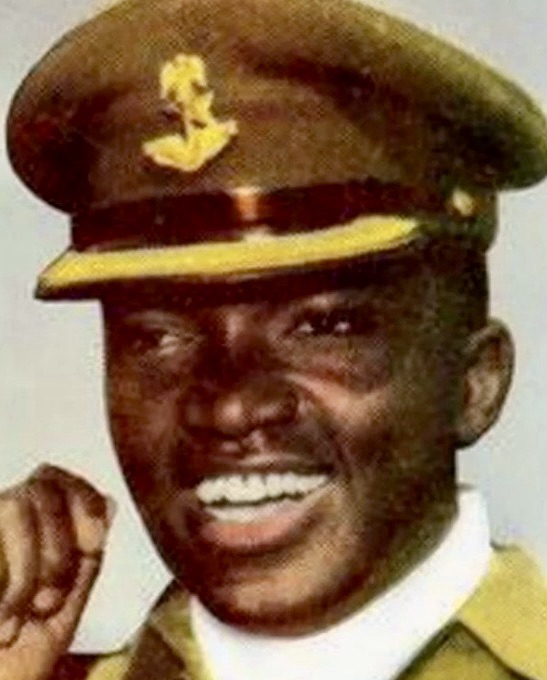
The Life and Death of Major Chukwuma Nzeogwu: Architect of the 1966 Coup Rewritten by Lawson Akhigbe

Nzeogwu's radical approach and controversial actions during the coup have left an indelible mark on Nigeria's history, sparking debates about leadership and loyalty.