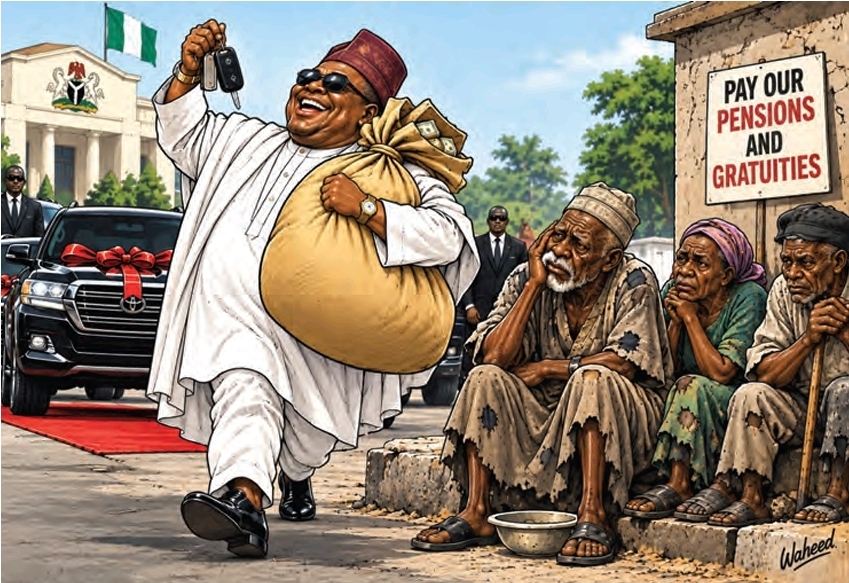
When Journalists Become Political Courtiers and Interviews Become Political Theatre By Lawson Akhigbe
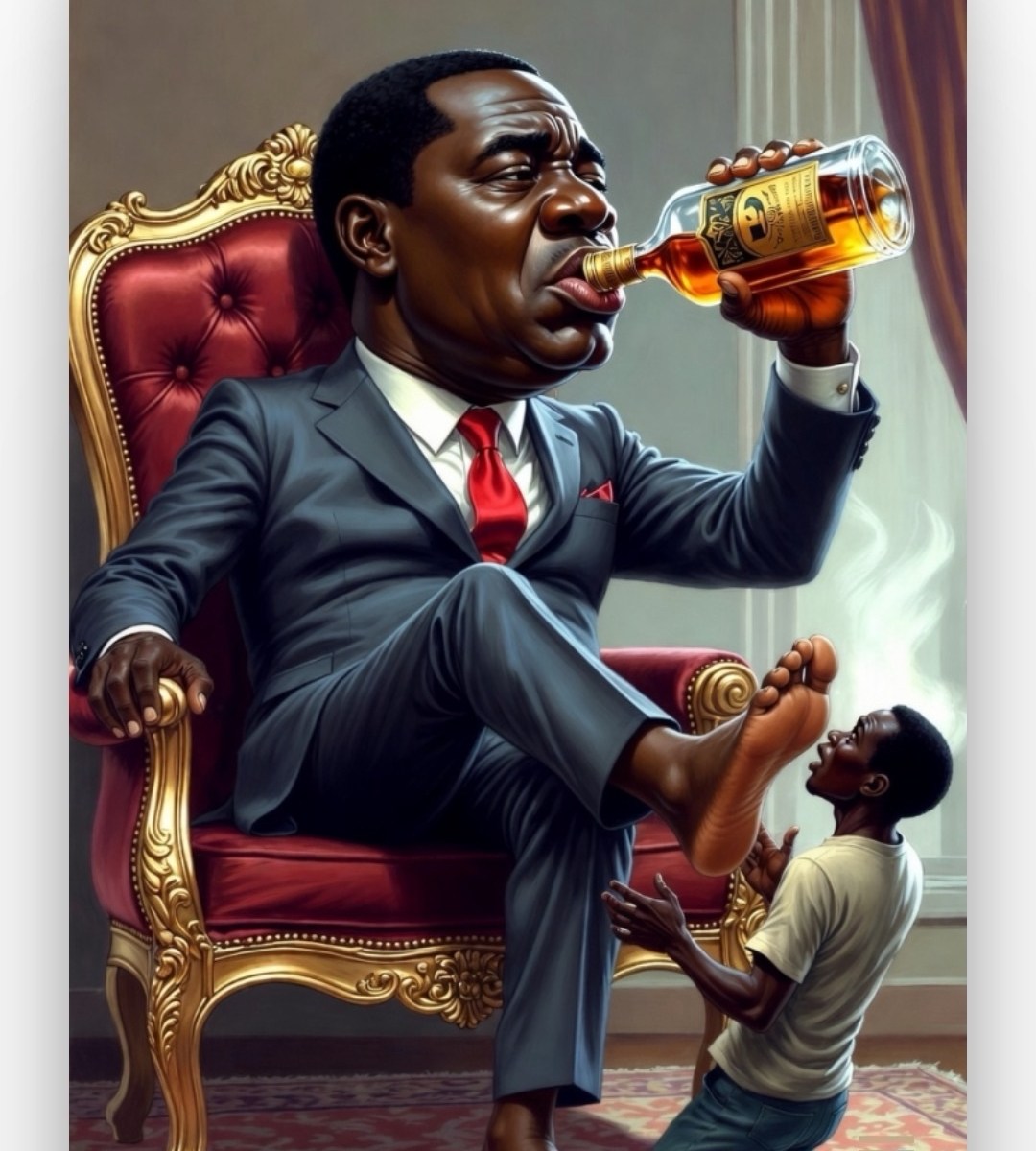
A democracy does not always die at the barrel of a gun. Sometimes, it dies beneath television studio lights, while journalists entrusted with holding power accountable sit silently as politicians explain why nobody can hold them accountable.

The Fire Brigade That Lit the Fire: Shettima and the Great Implosion That Never Was by Lawson Akhigbe

In 2015 the APC unseated the PDP and has governed Nigeria ever since. That is eleven years, which in political terms is not so much a tenure as a tenancy with squatter's rights. Mr Tinubu spent the first eight as the party's national leader, with Osinbajo, reportedly his nominee, installed as vice president. Since 2023 he has been president, with Kashim Shettima beside him. Whoever invented the phrase "continuity of government" clearly never imagined it applied this literally.

Who Really Owns Nigeria’s Ports? The Gate Nobody Can Enter by Historic Capital

Look at the last thing you bought: the rice, the paracetamol, the charger in your pocket. Before it reached your hand, at least six different people were paid. Not one of their names was on your receipt. You paid every single one of them, and you never knew who they were.

A Field Guide to Diplomatic Speak: A Translation Service for the Terminally Polite by Lawson Akhigbe

“Frank exchange of views” is the single most useful phrase in the diplomatic lexicon, precisely because everyone involved knows it is a lie and nobody involved will admit it. A former UK diplomat once put it plainly in a Language Log discussion: a frank exchange of views is just shouting. If the participants throw things at each other, it upgrades to a full and frank exchange of views. That is not satire. That is a professional’s working definition.

Nigerian: Country Policy and Information notes Guidance used by UK Visas and Immigration to make decisions in asylum and human rights applications from Nigeria

Country Policy and Information Notes (CPIN) for Nigeria are official guidance documents published by the UK Home Office and used by UK Visas and Immigration (UKVI) caseworkers, decision-makers, and immigration judges to assess protection (asylum) and human rights claims from Nigerian nationals.