Nigeria’s judicial budget is a complex, contentious issue at the intersection of constitutional design, fiscal federalism, political power dynamics, and the practical realities of justice delivery. While the 1999 Constitution (as amended) enshrines judicial independence including financial autonomy the implementation reveals deep gaps between legal provisions and on-ground realities.
FEC (Federal Executive Council) Approval Process in Nigeria: Overview and Key Details
FEC approvals typically involve Executive Council Memoranda (ECMs) submitted by Ministries, Departments, and Agencies (MDAs). Here’s the structured workflow:
The Samson Strategy: How the Tinubu Government Pulled the Temple Down on Itself Over PFIPC by Lawson Akhigbe
The Bola Ahmed Tinubu administration appears to have forgotten that rule in its handling of the Presidential Foreign Investment Promotion Council (PFIPC) controversy. In its determination to destroy the credibility of one man, Prince Adeniyi Matthew Adeyemi, it may have inflicted collateral damage on something far more valuable: the credibility of official government documentation itself.
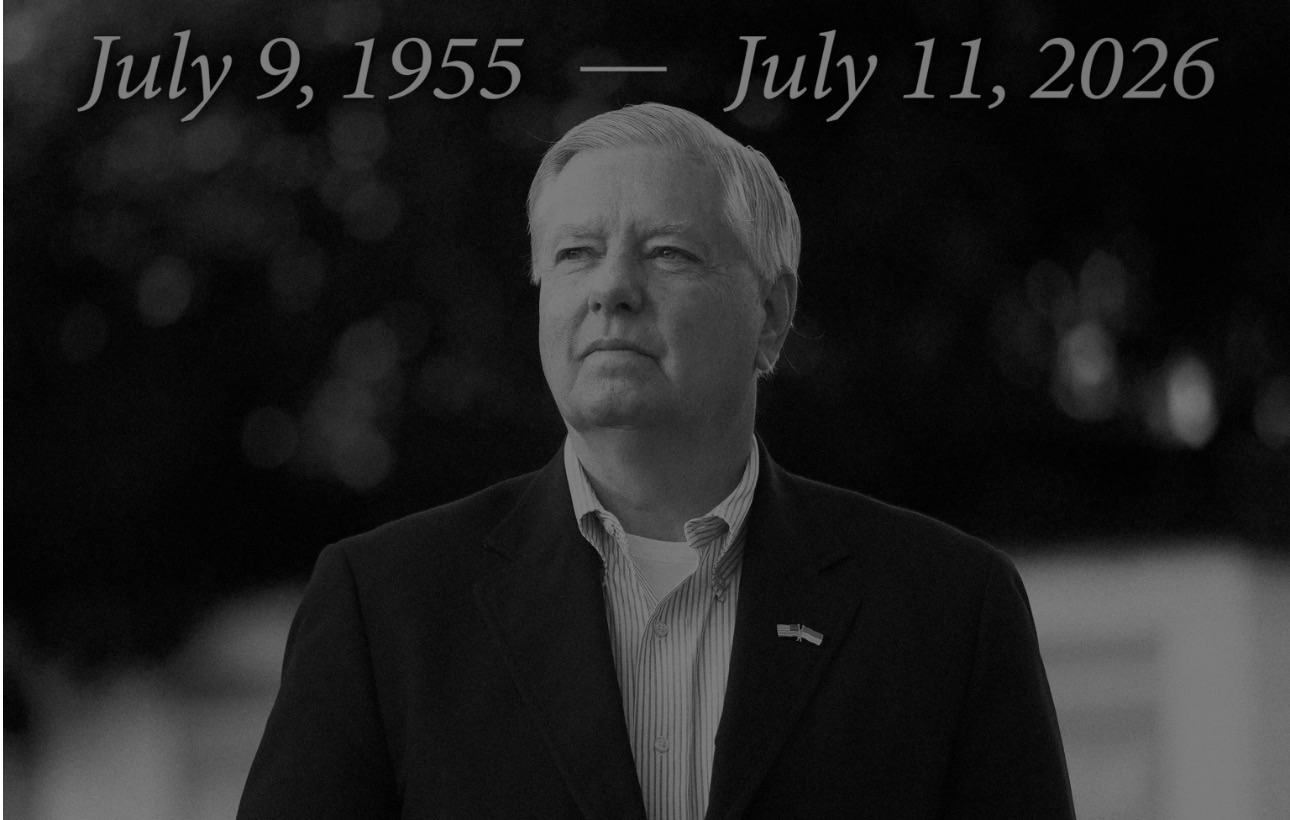
Married to the Game: The Many Lives, Many Pivots, and Final Curtain of Lindsey Graham By Lawson Akhigbe
For over three decades, the South Carolina Republican became one of Washington’s most recognisable political figures, surviving scandals, ideological earthquakes, party revolutions and presidential feuds with the resilience of a cactus in a drought
Magu, Presidency, Senate, EFCC. Man or Institution
Magu: Let Supreme Court decide, say SANs The ding-dong between the Presidency and the Senate over Economic and Financial Crimes Commission (EFCC) Acting Chairman Ibrahim Magu continues. For the umpteenth time, the Presidency has restated that Magu, whose nomination as EFCC chair the Senate has rejected twice, is the man for the job. The Senate …
Continue reading "Magu, Presidency, Senate, EFCC. Man or Institution "