Two generations ago, in the fall of 1974, President Gerald Ford and the Republican Party approached the midterm elections with considerable dread. That August, Richard Nixon had learned that he could no longer outrun his crimes in the White House. One tape recording in particular, the so-called smoking gun, proved that he had conspired with his aide H. R. Haldeman to obstruct the investigation into the Watergate break-in. The Republican elders Barry Goldwater, John Rhodes, and Hugh Scott told Nixon that impeachment in the House of Representatives was now certain, and conviction in the Senate likely. Nixon resigned, handing over his office to Vice-President Ford. A month later, Ford issued Proclamation 4311, pardoning Nixon for any crimes that he might have committed as President. Watergate, Ford said, had been “an American tragedy, in which we all have played a part. It could go on and on and on, or someone must write the end to it. I have concluded that only I can do that, and if I can, I must.”
MAGA’s War on Diversity Ends in a Democratic Revolt: America Refuses to Go Backwards by Lawson Akhigbe
There is a particular irony in political movements that spend so much time trying to turn the clock backwards. They eventually discover that history has a rather inconvenient habit of moving forward
The Unwelcoming States of America By Robert Guest
I’ve reported from more than 100 countries, so when I say America is unique, I’m not basing that assessment on nothing. It is—by far—the place that the largest number of people want to move to. That has always been its greatest strength. If lots of fertile land and natural resources were what mattered most, Russia would be a paradise
Trump’s Grace Deficit Hits a New Low: Mocking a Sick Man to Defend His Guy by Lawson Akhigbe
Trump’s chronic shortage of grace is not a glitch. It is the operating system. The man treats basic human decency the way most people treat leftover brussels sprouts: with suspicion, then disposal. But even by his standards, the latest performance deserves a special citation for tastelessness.
Live by Executive Orders, Die by Executive Orders by Lawson Akhigbe
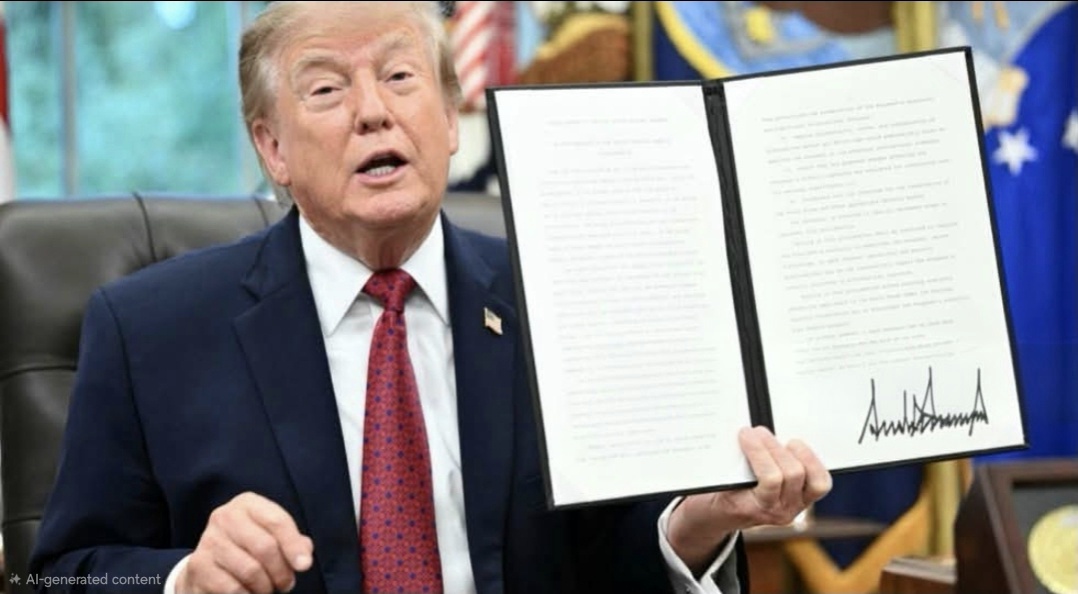
A president cannot bind his successors with executive orders. This is not radical constitutional theory. It is the plain, unromantic fact of the American system. Executive orders are the administrative equivalent of sticky notes left on the Resolute Desk: useful for the person who wrote them, mildly binding on the next occupant only for as long as that occupant finds them convenient, and entirely disposable the moment convenience ends