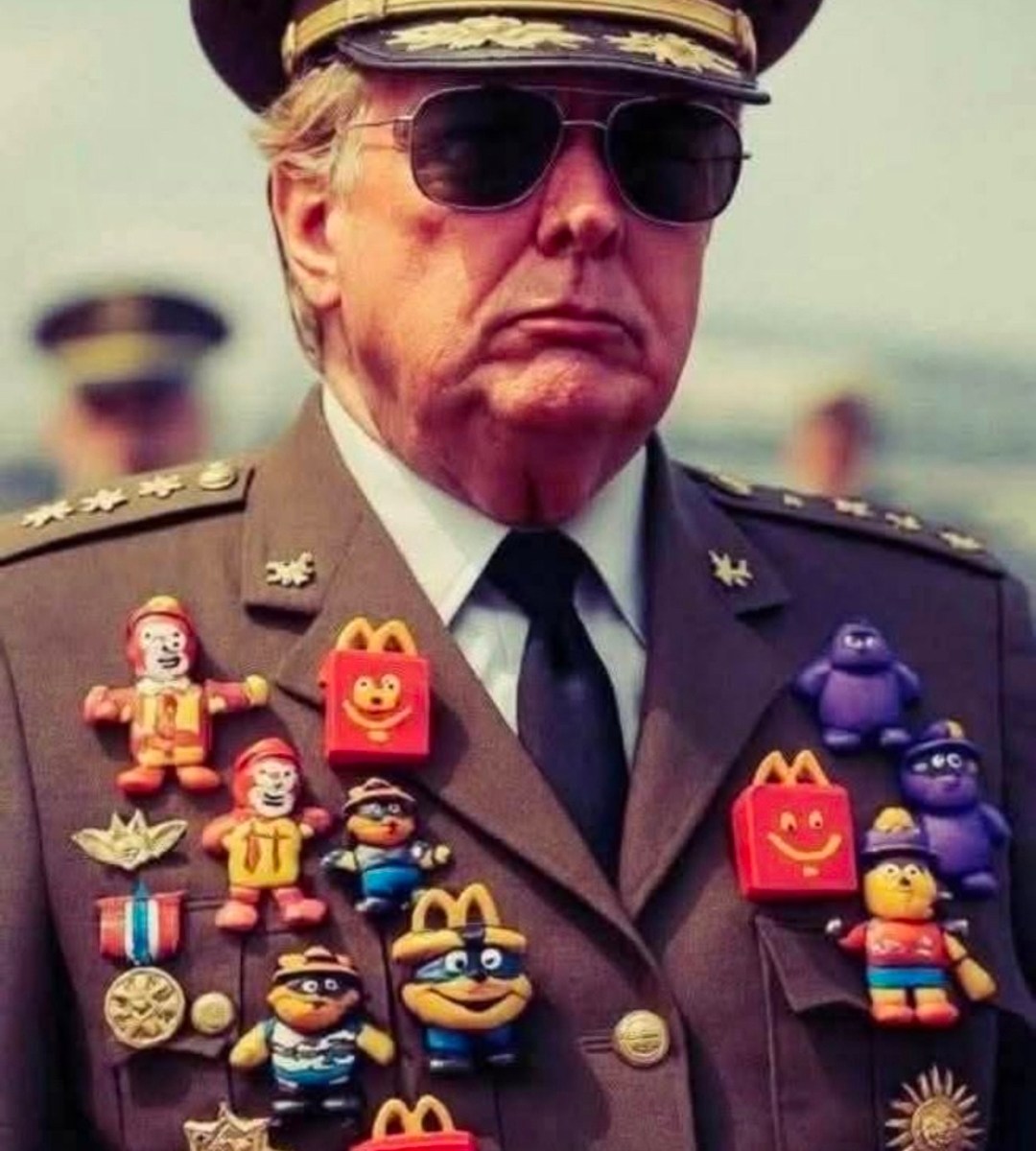
Trump: Six Corporate Bankruptcies, Two Political Bankruptcies by Lawson Akhigbe
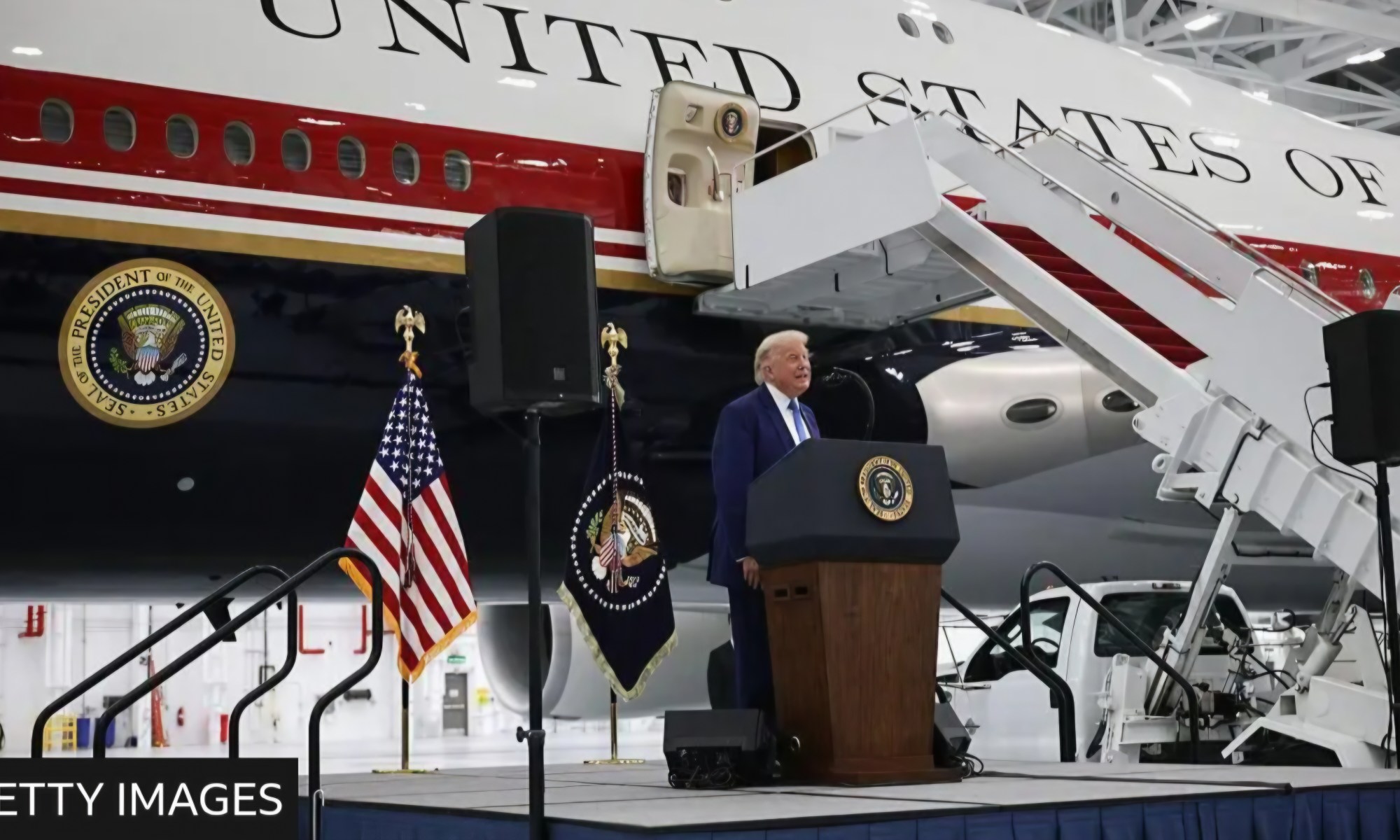
There is a curious relationship between Donald Trump’s business career and his political life. It is a relationship built around an extraordinary talent for self-promotion, an appetite for spectacle and an apparent belief that the presentation of success can sometimes be more important than the substance of it.

Joe Kennedy’s Ghost Has Found a Tenant in the Oval Office by Lawson Akhigbe

Joseph P. Kennedy was sworn in as US Ambassador to the Court of St James on 18 February 1938. He arrived with a fortune, a famous family and a firm conviction that Europe's troubles could be settled by gentlemen with chequebooks. Hitler was, in this view, merely a difficult customer.

The Shithole Doctrine and the Christmas Tomahawks by Lawson Akhigbe

Donald Trump has always treated geography the way a child treats a map drawn in crayon: everything outside the gilt-edged boundaries of Mar-a-Lago is, by definition, a shithole. Africa, in particular, occupies a special place in this cartography of contempt. It is not merely distant; it is disposable. In his second coming, the man who once governed by tweet now governs by decree, treating Congress as an optional accessory and the Constitution as a set of polite suggestions best ignored when they inconvenience the royal will.

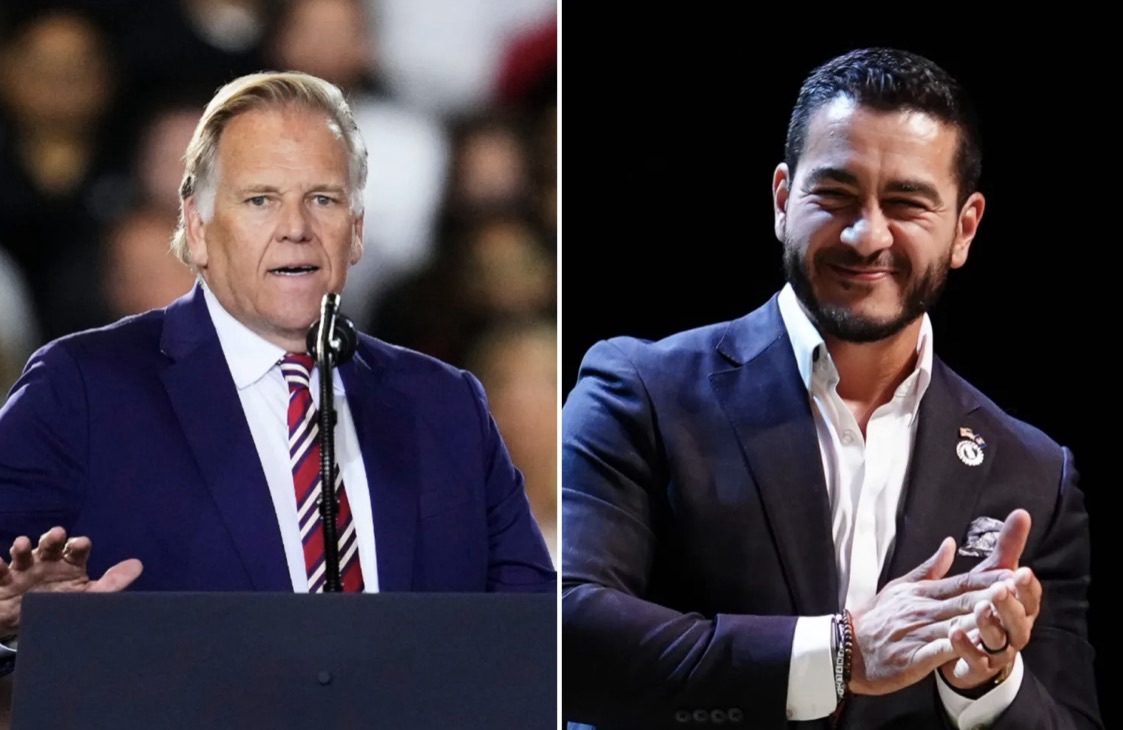
The MAGA-isation of Mike Rogers: From National Security Republican to Identity Politics Warrior By Lawson Akhigbe

There was a time when Mike Rogers occupied a particular place in my understanding of American politics. He appeared to belong to that category of Republican politicians who, whatever their ideological differences with Democrats, understood that national security was too serious a business to be reduced to partisan theatre. He was measured, disciplined, informed and, above all, appeared to be a man who understood the difference between intelligence work and political propaganda.

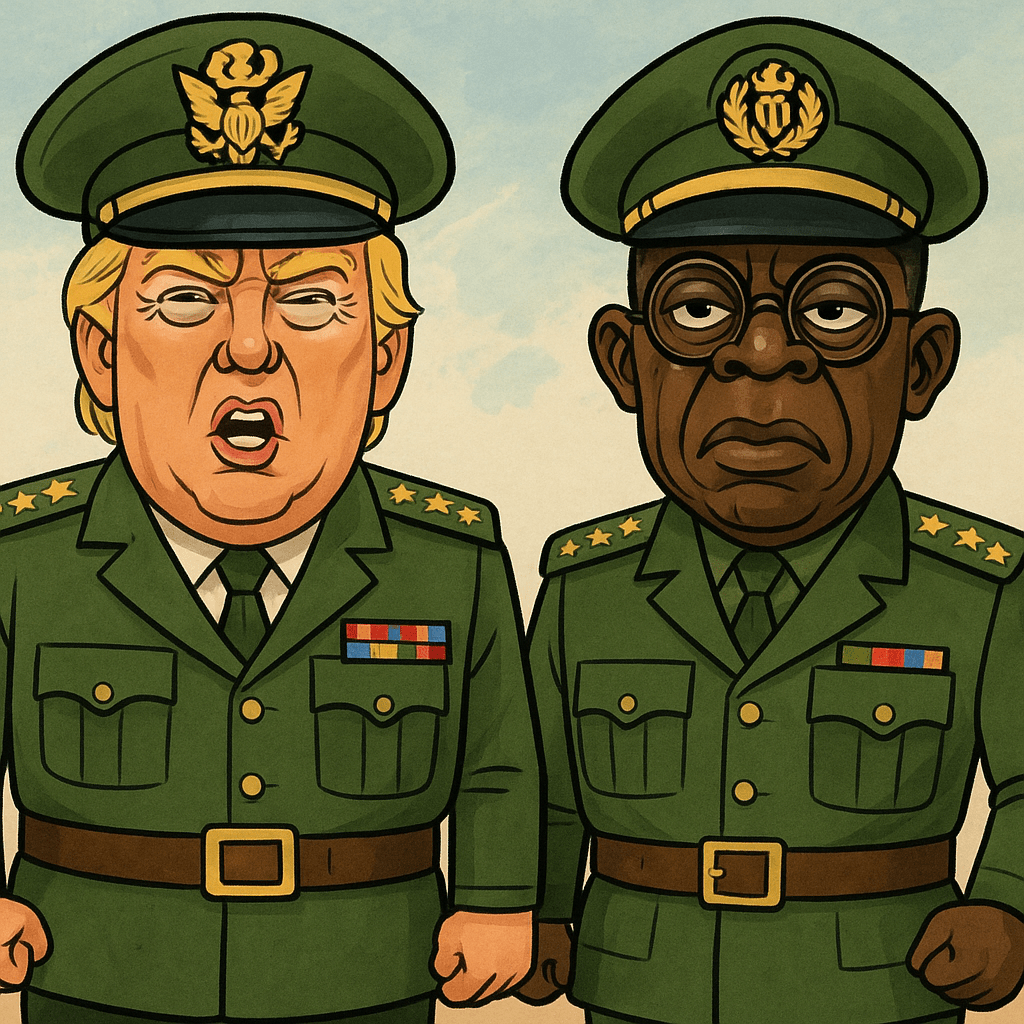
The Insignia of Power: Tinubu, Trump and the Politics of Emptiness by Lawson Akhigbe

When a leader becomes more interested in the symbol of his authority than the substance of his government, politics begins to resemble a cult. The insignia becomes the message, the slogan becomes the policy, and the citizen is expected to admire the packaging while living with the consequences.