

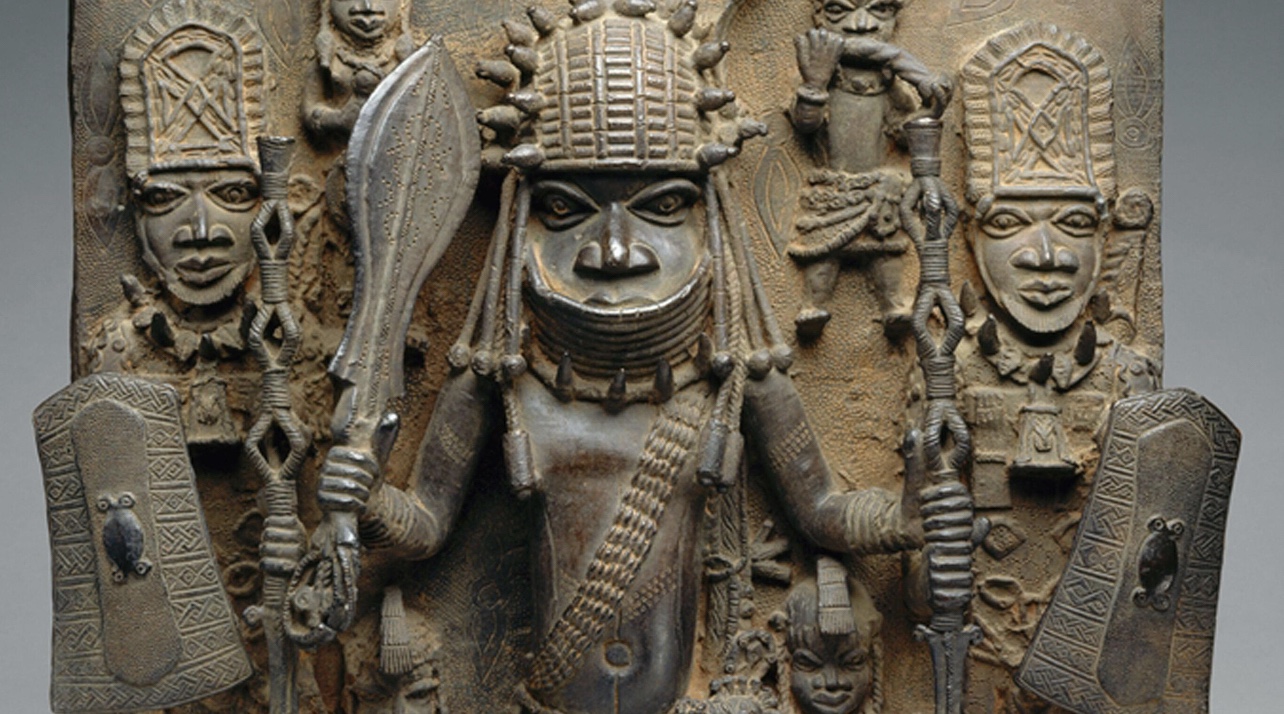


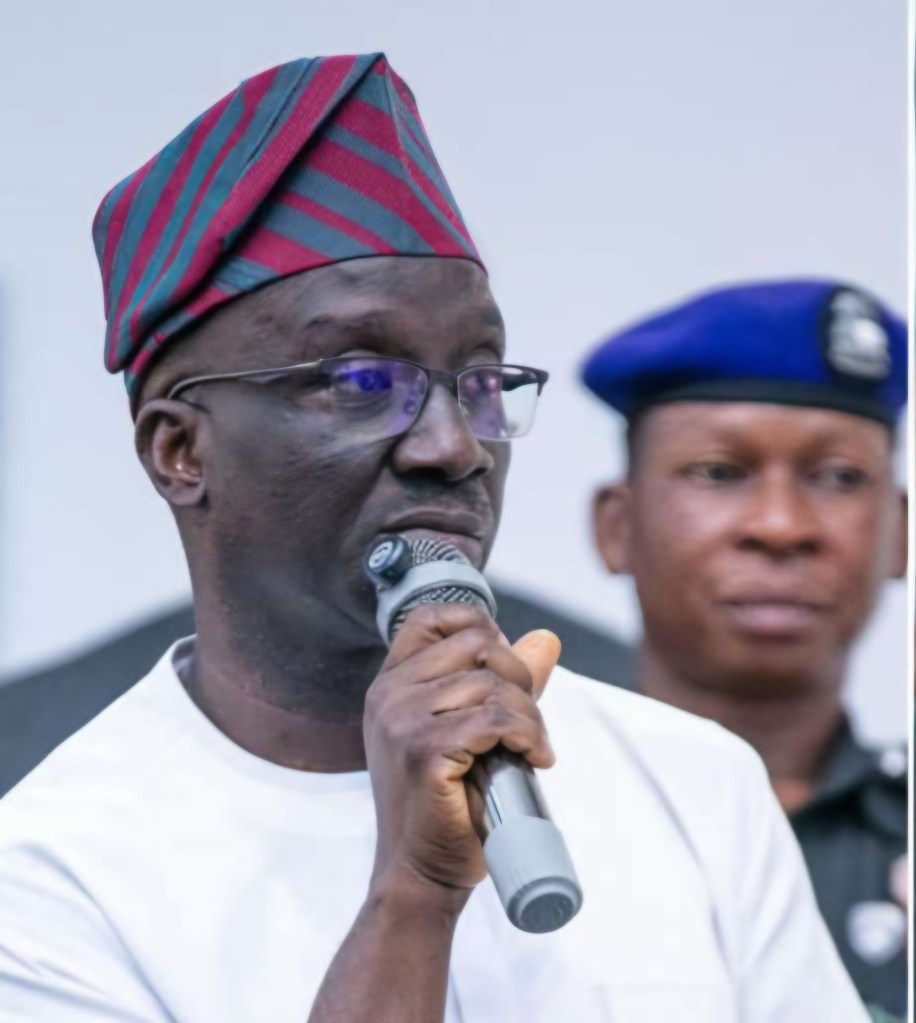
The MOWAA project has become a political football, and its fate is heavily influenced by the personalities and power dynamics between these three men.
- Godwin Obaseki (Former Governor): The “Technocratic” Visionary with a Political Blind Spot
· The Vision and The Drive: Obaseki is widely seen as the primary political architect of the MOWAA concept. His administration conceptualized it as a cornerstone of his “Edo State Economic Transformation Strategy.” He leveraged his financial and technocratic background to secure international partnerships (Getty, Ford Foundation, British Museum) and funding. His goal was macroeconomic: to put Benin City on the global map, attract tourism, create jobs, and stimulate the creative economy.
· The Fatal Flaw: Where Obaseki fundamentally failed was in his handling of the most powerful cultural institution in Edo land: the Palace of the Oba of Benin. By proceeding with MOWAA through the state government’s Legacy Restoration Trust without first securing the unequivocal blessing and central role of the Oba, he was perceived as sidelining, and even challenging, traditional authority. In a kingdom with a thousand-year history, this was not just a political miscalculation; it was a profound cultural misstep. He created a rivalry between “state modernity” and “traditional authority,” turning a project that should have been a unifying symbol into a bitter political and legal battle. This is the “mountain out of a molehill” – a project whose merits were overshadowed by a preventable conflict.
- Ewuare II (The Oba of Benin): The “Custodian” of Culture Accused of Greed
· The Legitimate Claim: The Oba’s position is that the looted Benin Bronzes are, by their very nature, palace property. They were created by royal guilds, resided in the palace, and were integral to courtly ritual. Therefore, their return cannot be to a state government entity but must be to the throne from which they were stolen. This is not just a legal claim but a deeply spiritual and historical one that resonates powerfully with the Benin people.
· The Critique of Capacity and Motive: Opponents argue that while the Oba’s custodial claim is strong on tradition, the practicalities of managing a world-class museum are immense. Questions are raised about the Palace’s:
· Financial Wherewithal: Does the Palace have the sustainable funding to build and maintain a facility with the stringent climate control, security, and conservation standards required for these priceless objects?
· Curatorial Expertise: Can it operate independently of the international museum ecosystem that provides training, research, and logistical support?
· The accusation of “greed” stems from the perception that this is a battle over control of very valuable assets (both the artifacts themselves and the future tourism revenue) rather than a purely altruistic endeavor for the people. The Oba’s own proposed “Royal Benin Museum” is seen by critics as a project to consolidate his own power and legacy, potentially at the expense of the broader, more integrated economic vision of MOWAA.
- Monday Okpebholo (Current Governor): The Wild Card with “Limited Acumen”
The recent change in government has introduced a new layer of uncertainty, and the governor’s “limited skills and acumen” reflects fears that the project could now fail due to indecision or poor strategy.
· Inheriting a Political Minefield: Governor Okpebholo walked into a situation where he could have chosen between these below but alas true to form chose the worst option, cut his nose to spit his face and chose option 2:
- Continuing his predecessor’s project (MOWAA), thereby alienating the powerful Oba and a significant portion of the electorate who are loyal to the throne.
- Abandoning MOWAA and backing the Oba’s Royal Museum, which would mean wasting millions of dollars in investment and potentially damaging international partnerships and Nigeria’s reputation for managing restituted artifacts.
- Finding a nearly impossible compromise.
· The Risk of Damage: A governor with “limited acumen” in complex diplomatic and cultural negotiations is in a perilous position. The danger is that through inaction, indecision, or a heavy-handed alignment with one side, he could:
· Kill Investor Confidence: International funders like the Ford Foundation will not pour money into a project that lacks stable political support from the host government.
· Derail Restitution: European museums ready to repatriate bronzes may pause shipments if there is no clear, stable, and legitimate recipient. This damages Nigeria’s case globally.
· Squander the Opportunity: The ultimate casualty is the long-term prosperity of Edo State. The infighting threatens to scuttle the entire project, meaning Benin City gets neither a state-of-the-art museum nor the economic benefits it would bring. The artifacts, once returned, could remain in limbo.
Conclusion: A Stalemate of Conflicting Legitimacies
The tragedy of MOWAA is that all three actors have a point, but their conflicting approaches and personal/political interests have created a destructive stalemate.
· Obaseki was right about the economic potential but politically tone-deaf.
· The Oba is right about historical custody but faces practical challenges and accusations of monopolizing the process.
· Okpebholo now holds the keys but may lack the nuanced skill to resolve the impasse without causing short-term and long-term damage.
The project’s future now hinges on whether these political actors can sublimate their individual ambitions and conflicts for the greater good of the Edo legacy, a outcome that currently seems uncertain.

