

“An army marches on its stomach,” declared Napoleon Bonaparte with the sort of blunt clarity that only history’s more successful troublemakers can afford. It is a principle as old as organised conflict itself: logistics, not rhetoric, wins wars.
Nigeria learnt this lesson the hard way during the Nigerian Civil War. The federal side, under Yakubu Gowon, did not merely fight with bullets—it weaponised scarcity. The embargo on food into the Biafran enclave became one of the most controversial yet decisive strategies of the war.
Standing at the intellectual dispatch box was Obafemi Awolowo, who defended the policy with chilling pragmatism: starvation, in his view, was not collateral damage but a legitimate instrument of warfare. Morally uncomfortable? Certainly. Effective? Undeniably. The war ended, and among the many factors, the strangulation of supply lines played its part.
History, however, has a wicked sense of humour. It repeats itself—but never in quite the same costume.
From Stomachs to Wallets: The Evolution of Insurgency
Fast forward to modern Nigeria, where the battlefield has shifted from trenches to forests, highways, and unfortunately, WhatsApp negotiation threads. Groups like Boko Haram and their entrepreneurial cousins in banditry have refined warfare into something less ideological and more transactional.
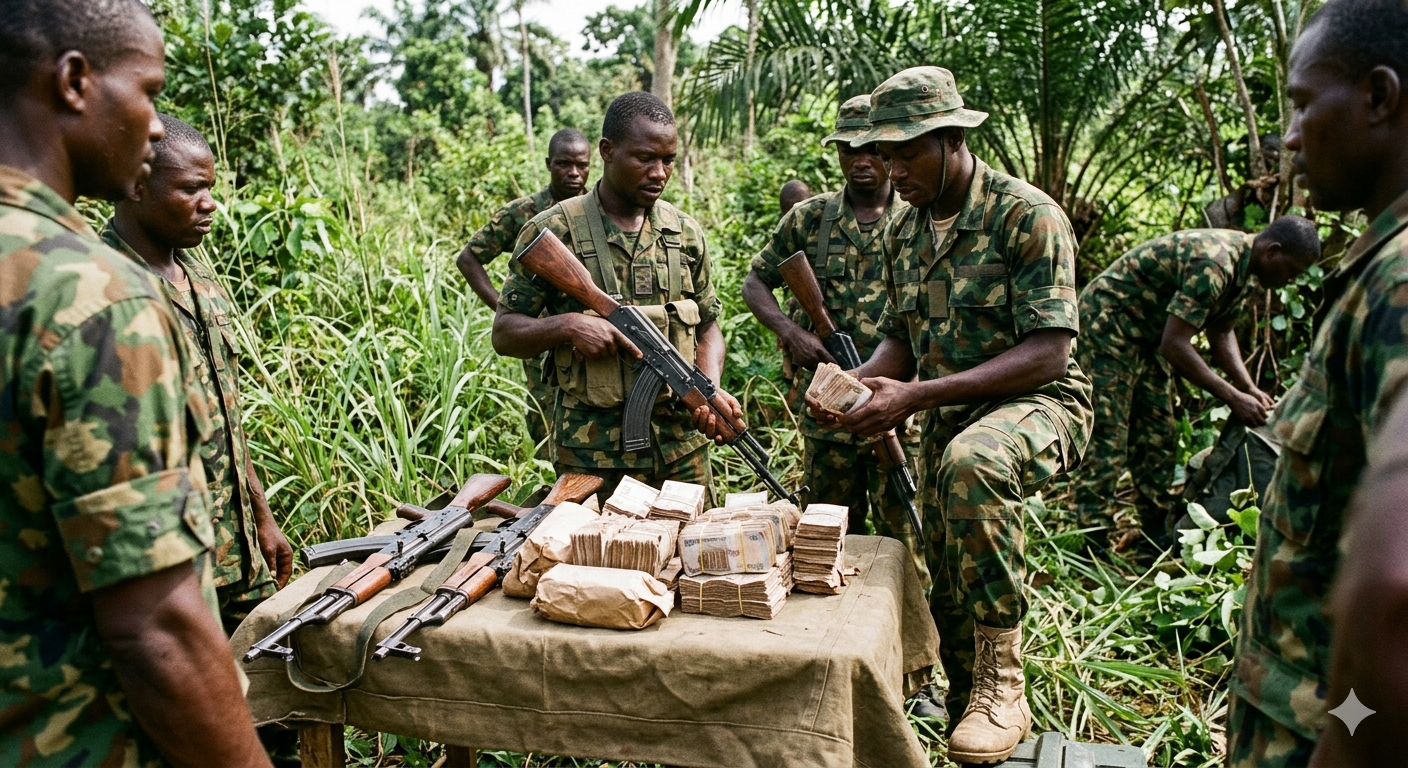
Let’s not romanticise it—this is not revolution. It is revenue generation with AK-47s.
Kidnapping has become a business model. Ransom payments are the cash flow. Fear is the marketing strategy. And the Nigerian public, willingly or otherwise, has become the venture capitalist funding this grotesque startup ecosystem.
Strip away the slogans, and what remains is brutally simple: these groups march not on their stomachs—but on money.
The Uncomfortable Prescription: Cut the Cash
If history teaches anything, it is that wars are rarely ended by pleading with those who profit from them. They end when the underlying incentives collapse.
Which brings us to an unpalatable but necessary proposition: starve the insurgency of money.
No ransom payments. No negotiations dressed up as “community engagement.” No quiet settlements brokered in the dead of night. A hard, cold, uncompromising refusal to finance the very machinery of terror.
Yes, it sounds harsh—because it is.
If hostages are taken and the state refuses to pay, the risks are obvious and tragic. Lives may be lost. Families will suffer. The headlines will scream. Social media will rage. But here lies the brutal calculus: every ransom paid today guarantees more victims tomorrow.
At some point, a nation must decide whether it is funding its own insecurity.
Heroes and the Cost of Ending a War Economy
There is no sugar-coating this policy. It demands sacrifice—not from politicians issuing statements from air-conditioned offices—but from ordinary citizens caught in extraordinary circumstances.
Those who may lose their lives under such a doctrine would not simply be victims; they would become, in the starkest sense, casualties in a broader war effort—heroes, if the nation has the courage to call them so.
Because what is at stake is larger than any single tragedy. It is the dismantling of a war economy that thrives on perpetual instability.
Drain the Sewage, Not Just the Swamp
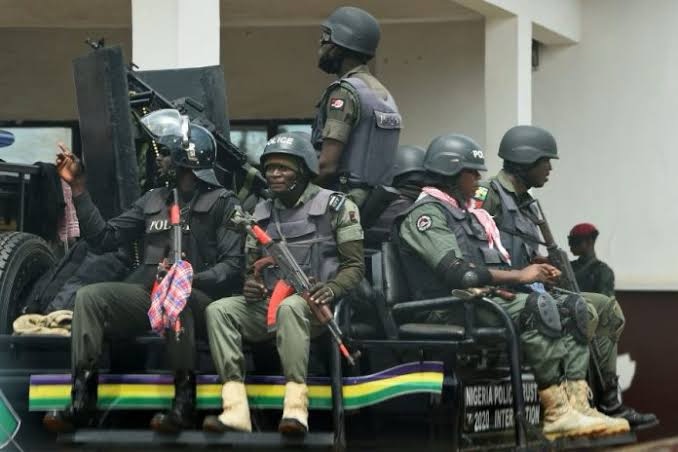
Nigeria’s security challenge is often discussed in terms of firepower: more troops, more drones, more operations with impressive code names. Necessary, yes—but insufficient.
You do not defeat a business by shooting at its employees while funding its payroll.
The real target is the financial sewage sustaining the system. Cut off the inflows, and the entire structure begins to rot from within. Fighters become freelancers. Loyalty evaporates. The “cause” quietly files for bankruptcy.
Conclusion: Strategy Over Sentiment
The lesson from the past is not about glorifying hardship but understanding leverage. Napoleon Bonaparte spoke of food because that was the currency of his wars. Today, the currency is cash.
And until Nigeria confronts that reality with the same ruthless clarity shown during the Nigerian Civil War, the cycle will persist—profitable for the criminals, devastating for everyone else.
Wars end when they become unsustainable.
Right now, Nigeria’s enemies are still very much in profit.

