

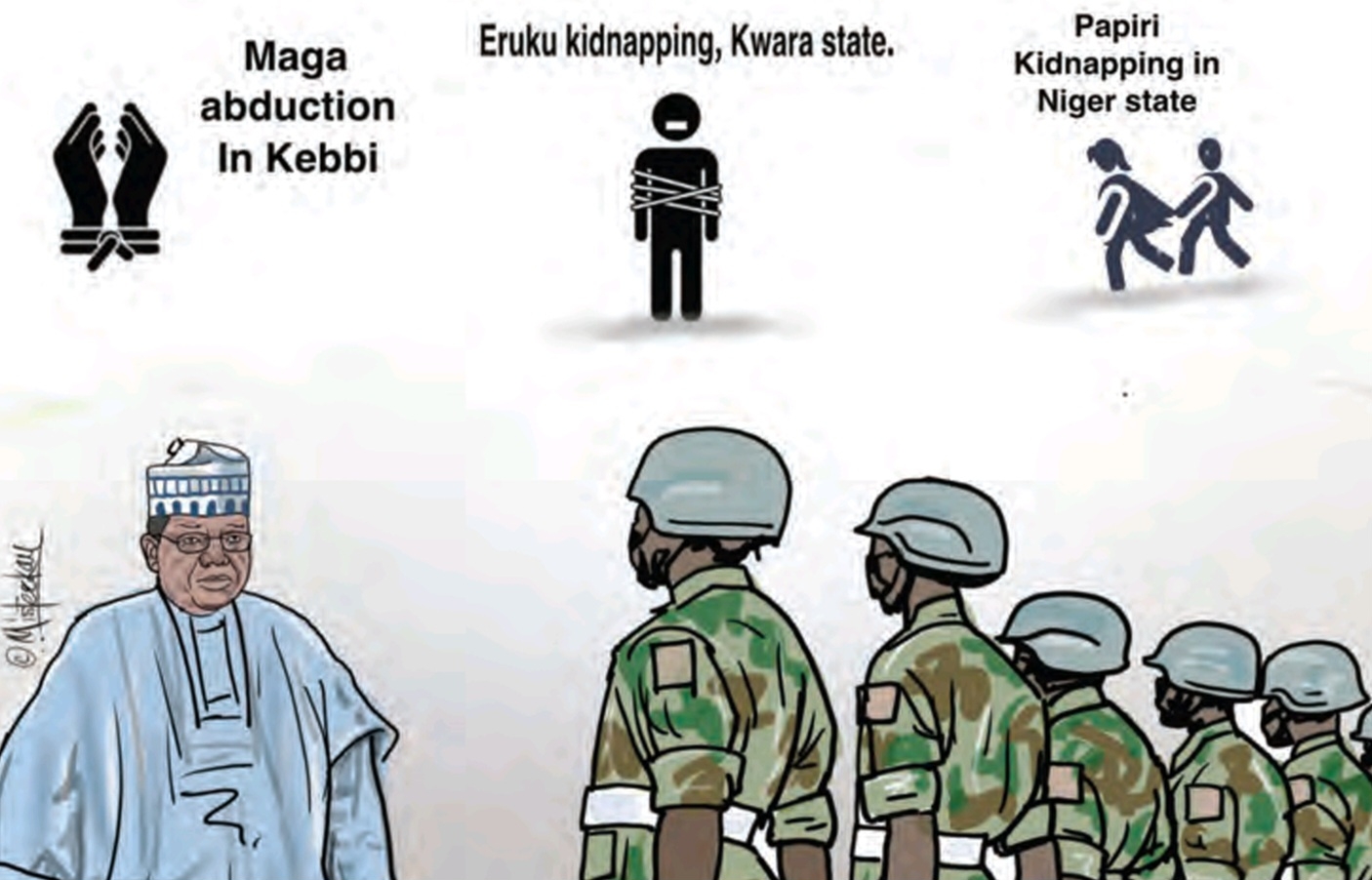
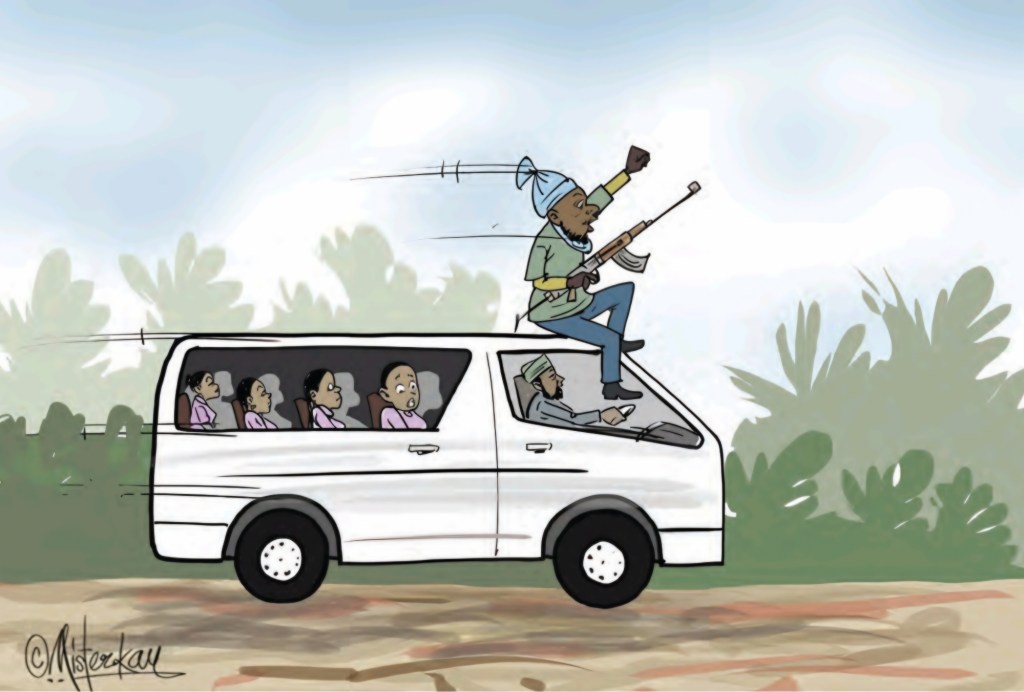
Nigeria’s insecurity has now lasted long enough to become a permanent feature of national life. Entire generations have grown up knowing nothing but insurgency in the northeast, banditry in the northwest, and violent criminality spreading across large parts of the country.
Yet every year, the same response emerges from Abuja: bigger budgets, more emergency funding, and new military operations.
The pattern has become almost ritualistic.
The government announces a massive defence allocation. The National Assembly approves it with little resistance. Contracts are issued for equipment, logistics, and operations. Military campaigns are launched with impressive code names.
But months later, the situation on the ground remains largely unchanged.
Villages are still attacked. Kidnappings continue. Farmers abandon their land. Schools close in insecure areas. Military bases themselves occasionally come under assault.
And then the next budget cycle begins.
This raises an uncomfortable question that few within the elite are willing to confront: why does insecurity persist despite enormous spending?
Part of the answer lies in the political economy surrounding security.
Wars create money flows—procurement contracts, supply chains, logistics deals, emergency appropriations, intelligence budgets, and classified expenditures that escape public scrutiny. In systems where transparency is weak, these streams of money can become highly lucrative.
In such an environment, the war itself risks becoming an industry.
It is not that soldiers on the front lines are unwilling to fight. Nigerian troops have repeatedly shown courage in extremely difficult circumstances. Many have paid the ultimate price defending their country.
But courage at the front cannot compensate for weaknesses at the top—especially when corruption, procurement scandals, and mismanagement weaken the system meant to support those troops.
The result is a tragic paradox.
Nigeria’s military establishment grows wealthier and more politically influential, while the ordinary citizen becomes less secure.
Communities are forced to organise their own vigilantes. Farmers abandon their land. Businesses relocate or shut down. Rural economies collapse under the pressure of constant violence.
Meanwhile, the defence budgets continue to rise.
This is the contradiction that retired General Ishola Williams indirectly exposes through his own life. By refusing to participate in the patronage networks that have enriched many of his contemporaries, he became an outlier within the military elite.
In Nigeria, integrity can sometimes be the fastest route to poverty.
But perhaps that is precisely why his voice matters.
Because until Nigeria confronts the deeper relationship between elite corruption, defence spending, and the persistence of insecurity, the country risks remaining trapped in a cycle where billions are spent fighting wars that never quite end.
And in that cycle, the biggest losers are not the generals, not the contractors, and not the political elite.
The biggest losers are the ordinary Nigerians who continue to live—and die—inside a war without end.

