

Nigeria’s security crisis has become one of the most expensive in its history, yet the results remain painfully limited.
Over the past decade, defence and security spending has expanded dramatically. In recent budgets, the sector has consistently received one of the largest shares of government expenditure. For example, Nigeria allocated roughly ₦3.1 trillion to the Ministry of Defence in the 2025 budget, nearly half of the country’s total security spending across agencies.
The trend has continued upward. In the 2026 budget proposal, defence spending rose again to about ₦3.15 trillion, with the majority of that money going to salaries, allowances, and other personnel costs.
In fact, Nigeria has spent over $17 billion on defence and security since 2018, while yearly allocations have risen by more than 130 percent compared with 2019 levels.
Yet despite this enormous expenditure, insecurity continues to spread across the country.
Nigeria still faces:
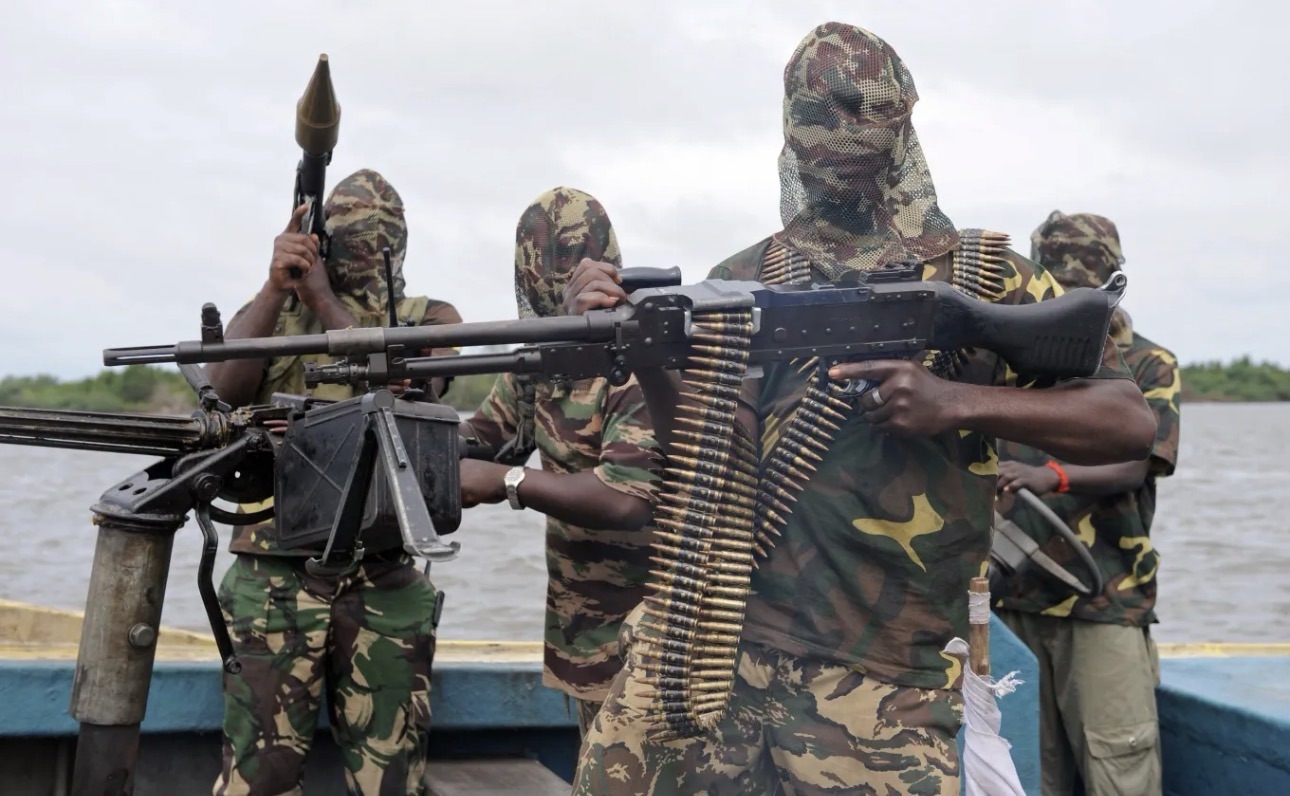
- A 16-year insurgency in the northeast from groups such as Boko Haram and ISWAP.
- Expanding banditry and mass kidnappings across the northwest and north-central regions.
- Rising attacks on military installations and rural communities.
- A humanitarian crisis where millions of Nigerians face hunger because insecurity prevents farming and economic activity.
The contradiction is glaring.
Nigeria spends trillions of naira on security each year, but communities remain unsafe and millions live under the constant threat of violence.
Critics argue that the structure of Nigeria’s security spending explains part of the problem. Much of the budget goes to recurrent costs—salaries and administrative expenses—rather than equipment, training, or operational capacity. In some agencies, personnel expenses consume as much as 96 percent of total budgets, leaving little for actual security operations.
This raises uncomfortable questions about how the enormous security budgets are managed and who truly benefits from them.
When retired General Ishola Williams speaks about corruption within elite networks, his comments resonate strongly with this reality. Nigeria’s security crisis has increasingly become not just a military problem, but also a political economy problem—where insecurity justifies endless spending, while accountability for results remains weak.
The tragedy is that ordinary Nigerians pay for this system twice:
First through taxes that fund the enormous security budgets.
And again through the daily insecurity that those budgets were meant to end.

