

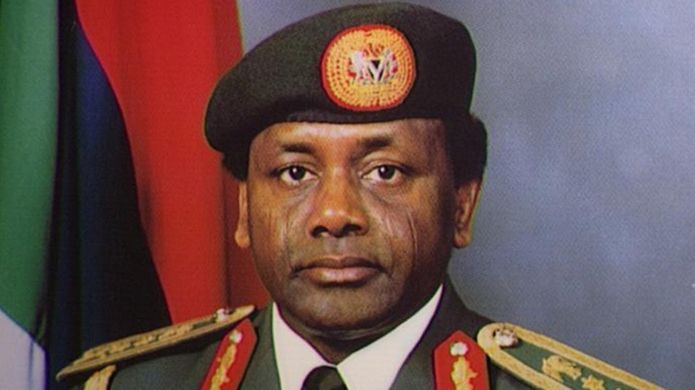
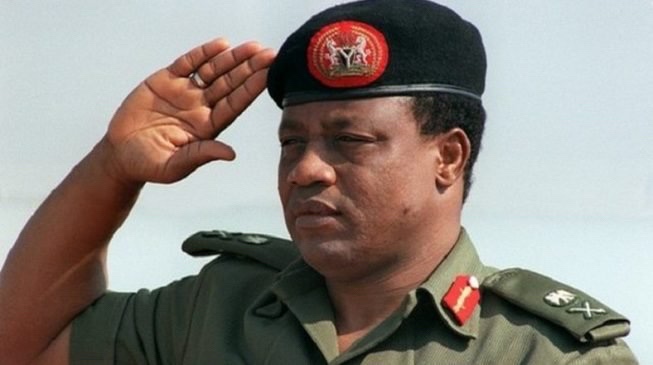
Nigeria’s military dictatorships from the mid-1980s to late 1990s entrenched grand corruption as a structural feature of governance, contributing to the country’s estimated $400 billion+ losses to graft since independence. General Ibrahim Badamasi Babangida (IBB, ruled 1985–1993) and General Sani Abacha (ruled 1993–1998) exemplify distinct yet overlapping models of plunder. Babangida’s era is often characterized by diffuse patronage and economic opacity, while Abacha’s was more centralized and brazen. Both exploited military authoritarianism, weak institutions, and oil rents, but Babangida’s additionally involved persistent allegations of regime-linked illicit drug trafficking—a dimension absent from Abacha’s primarily financial kleptocracy. These patterns not only drained public resources but also eroded institutional trust, international reputation, and social cohesion, with legacies that fuel ongoing cynicism about accountability in Nigerian politics.
Scale of Corruption
Babangida Era: Dominated by the $12.2–12.4 billion Gulf War oil windfall (1990–1991), where a Pius Okigbo-led panel found that special accounts outside budgetary oversight were depleted with minimal documentation. Broader estimates of diversion range from $12–35 billion, including debt buy-back scams (Nigeria allegedly overpaid for its own debt via front companies). Corruption was institutionalized as “settlement culture”—lavish cash, vehicles, and contracts distributed to build loyalty.
Abacha Era: More precisely quantified at $2–5 billion (commonly cited by Transparency International, U.S. DOJ, and Nigerian probes; some analyses higher). This included $1.491 billion + £416 million via fabricated “national security” withdrawals from the Central Bank, plus $282 million from inflated bonds and extortion schemes. International recoveries reached ~$3.6 billion by the early 2020s.
Comparison: Babangida’s headline figures dwarf Abacha’s in one scandal alone, but Abacha’s was more traceable and “industrialized.” Babangida’s was patronage-driven and harder to pin down; Abacha’s family-centric and forensic. Both amplified Nigeria’s resource curse, yet Babangida’s era added an alleged transnational criminal layer through narcotics.
Methods and Mechanisms
Babangida: Opaque special accounts, extra-budgetary spending, debt conversion fraud, and patronage via direct disbursals. Corruption was “legalized” in perception, eroding military discipline. A defining feature was the alleged tolerance or involvement in illicit drug trafficking, turning Nigeria into a major transit hub for heroin (from Southeast Asia to Europe and the U.S.) and cocaine.
Under Buhari (whom IBB ousted in 1985), Decree 20 imposed the death penalty for trafficking, with public executions of smugglers as part of the “War Against Indiscipline.” IBB swiftly revoked the death penalty, replacing it with life imprisonment—a move critics interpret as signaling leniency toward drug interests that may have threatened the prior regime. Allegations emerged that IBB, his wife Maryam, top military officers, diplomats, and “IBB Boys” (fronts for dirty deals) profited from or protected trafficking networks. High-profile cases included Gloria Okon, arrested in 1985 for smuggling (allegedly linked to powerful figures); her story intersected with the parcel-bomb murder of journalist Dele Giwa, who was investigating elite drug rings. Rumors tied these to official cover-ups, including the burning of the Ministry of Defence building (suspected arson to destroy records). By 1989, INTERPOL ranked Nigeria third globally in drug seizures involving its nationals. The NDLEA faced collusion accusations with barons, and banks like BCCI were allegedly used to launder drug proceeds alongside corruption funds (with some claims of CIA-linked Contra funding via Nigeria as a transit/money-laundering center). Military personnel and students were implicated in early heroin networks from the 1980s onward.
Abacha: Direct CBN cash withdrawals on fake security pretexts, family/associate laundering (e.g., son Mohammed Abacha, Abubakar Atiku Bagudu) through offshore shells in Switzerland, U.S., UK, etc. Focused on contract inflation and extortion; no prominent drug trafficking allegations tied to the inner circle.
Comparison: Babangida’s methods were subtler and more distributive—spreading largesse while allegedly enabling organized crime for additional revenue streams or patronage. Abacha’s was cruder and extractive, centered on financial plunder with tight control. The drug dimension under IBB diversified corruption into transnational narcotics (exacerbating Nigeria’s global “narco-transit” stigma), whereas Abacha’s stayed domestic-international financial. Both exploited weak oversight, but IBB’s era allegedly fused state power with criminal enterprises.
Justifications and Defenses
Babangida: Economic necessity (SAP reforms to address debt/inflation) and denials of personal enrichment (“somebody did it before me”). Drug-related allegations are largely dismissed by supporters as opposition propaganda or unproven rumors, with no formal domestic prosecution. Infrastructure projects (e.g., bridges, Abuja) are cited as offsets.
Abacha: As previously detailed, “warehousing” funds abroad (per Hamza Al-Mustapha) as patriotic protection against Western sanctions post-1995 Ogoni executions—moving reserves to private hands for imports/exports and economic survival (modeled on Libya). Funds not in Abacha’s name; post-death diversions blamed.
Comparison: Babangida’s defenses emphasize developmental reform and diffusion of responsibility; Abacha’s invoke geopolitical sovereignty. Drug allegations add a layer of moral defensiveness for IBB critics, framing the era as enabling narco-corruption, while Abacha’s narrative battles center on “official vs. criminal” funds. Neither faced domestic trials; both rely on narrative control.
Impacts and Legacies
Economic/Social: Both deepened poverty, inequality, and infrastructure decay amid oil wealth. Babangida’s SAP triggered riots and middle-class erosion; drug trade allegedly amplified money laundering and violence. Abacha’s looting collapsed services despite reserve gains. Human costs: Babangida annulled the 1993 election; Abacha executed activists (Ogoni Nine).
Political/Institutional: Babangida normalized corruption as statecraft and allegedly a kleptocracy-narco nexus (“Zaïrianization”), birthing “IBB Boys” culture. Abacha intensified repression and centralized plunder. Both failed transitions entrenched distrust.
Contemporary Echoes: In today’s debates (e.g., appointments of former associates or “the boys are back”), Babangida’s era symbolizes foundational graft plus alleged drug complicity, while Abacha’s highlights recovery challenges and sanctions defenses. Recoveries from Abacha funded projects (with transparency gaps); Okigbo findings and drug probes remain unaddressed. Nigeria’s drug reputation persists, influencing international relations.
Nuances, Edge Cases, and Broader Considerations
- Allegations vs. Evidence: Drug claims under IBB are widespread (rumors, investigative journalism, academic analyses) but largely unproven in court against IBB personally—relying on circumstantial links (Gloria Okon, Dele Giwa, NDLEA collusion). Defenders note global trends (Nigeria as transit due to geography/ports) predated or outlasted him; critics see the 1985 policy shift and military involvement as enabling factors.
- Quantification/Proof Challenges: Financial scales better documented for Abacha (international forfeitures); Babangida’s drug ties remain opaque due to secrecy and lack of prosecutions. Personal vs. regime benefit is blurred in both.
- Contextual Factors: Economic crisis (SAP, naira crash) and military patronage created fertile ground for diversification into drugs. Buhari’s harshness vs. IBB’s leniency highlights intra-military rivalries. International complicity (banks, alleged foreign intelligence) mirrored Abacha’s laundering.
- Comparisons to Broader History: Both built on prior patterns but scaled them; post-1999 civilian scandals show continuity. Drug trade grew under IBB but faced crackdowns later (Abacha era onward).
- Defenses vs. Evidence: Sanctions/necessity narratives (Abacha) and reform rhetoric (Babangida) clash with judicial/investigative records. Drug allegations fuel polarization—loyalists call them smears; critics see them as evidence of state-criminal fusion.
- Implications Today: These eras illustrate how unchecked power + resource rents + external pressures enable multifaceted corruption (financial + narco). They underscore needs for independent oversight, judicial reform, global anti-laundering cooperation, and narrative accountability. Youth disillusionment and governance cynicism persist, as selective historical focus (e.g., Abacha recoveries vs. unprobed IBB issues) reveals political selectivity. In anti-corruption struggles, distinguishing “alleged” from proven matters for justice, yet the human and reputational costs remain undeniable.
In summary, Babangida’s corruption was foundational, patronage-oriented, and allegedly extended into illicit drug trafficking—transforming Nigeria into a narco-transit hub amid economic reforms—while Abacha’s was concentrated financial kleptocracy with a geopolitical defense. Together, they exemplify military-era vulnerabilities: institutional erosion, elite capture, and impunity that diversified corruption beyond cash into organized crime. Understanding these nuances reveals not isolated scandals but systemic pathologies—authoritarianism, oil dependence, and weak checks—that continue shaping Nigeria’s governance challenges and the enduring battle for accountability. The comparison highlights why competing histories sustain debates: partial justice, narrative battles, and unaddressed legacies risk repeating cycles unless robust mechanisms evolve.

