

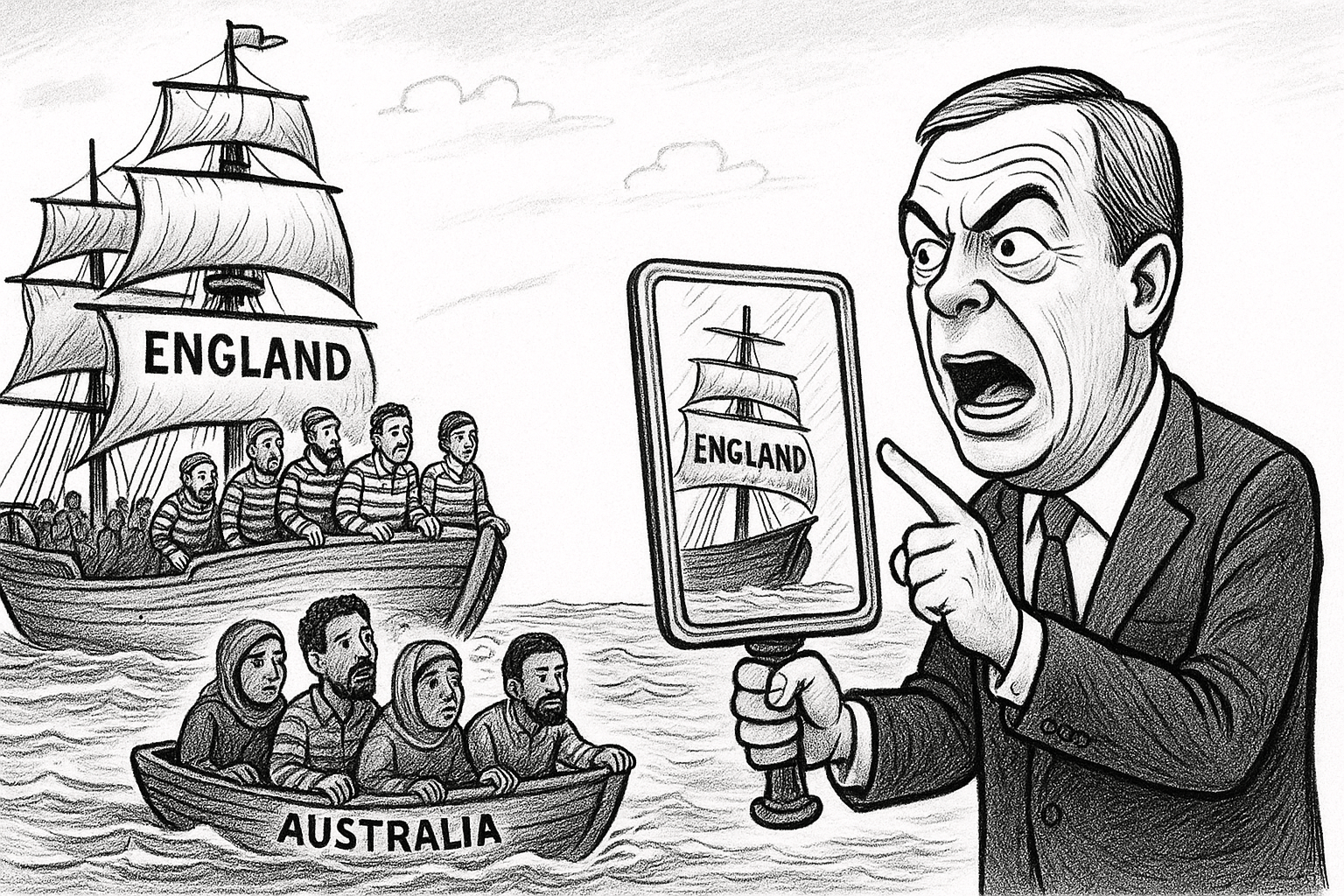

Reform UK’s policies emphasize “common sense” reforms centered on sovereignty, reduced immigration, lower taxes, scrapping net zero targets, NHS efficiency improvements, and prioritizing British citizens. The party frames these as necessary to address broken public services, cultural erosion, economic stagnation, and elite disconnect. Core documents include the 2024 “Our Contract with You” (a working draft-style manifesto with costings) and ongoing policy pages, plus regional manifestos (e.g., Scotland 2026).
Policies evolve and are sometimes presented philosophically rather than as rigid commitments, but key themes remain consistent.
1. Immigration and Borders (Core Priority)
Reform UK treats uncontrolled immigration as a primary driver of housing shortages, NHS pressure, wage suppression, crime, and cultural strain. Key pledges:
- Freeze “non-essential” immigration: Exceptions mainly for healthcare shortages. Bar student dependents and close “fake courses.”
- Stop the boats: Leave the ECHR and Human Rights Act if needed; intercept small boats and return migrants to France; offshore processing; no resettlement of illegal arrivals.
- Mass deportation (“Operation Restoring Justice”): Five-year emergency program to identify, detain, and deport illegal migrants. Build removal centers (capacity ~24,000); aim for rapid flights; target foreign criminals first. Claimed net savings of £42 billion over 10 years.
- End ILR (“Boriswave” reversal): Scrap Indefinite Leave to Remain (including rescinding some existing ones); replace with 5-year renewable visas requiring higher salaries, English fluency, good character, and no benefits access. Limited shortage visas only with training commitments for Brits.
- Employer incentives: Raise National Insurance to 20% for foreign workers (exemptions for small firms and key health roles) to encourage hiring Brits.
Nuances and implications: These are highly restrictive compared to recent net migration levels (hundreds of thousands annually). Supporters argue they would boost wages, ease housing/services pressure, and protect culture. Critics highlight risks to NHS/social care staffing (reliant on overseas workers), economic disruption, labor shortages in key sectors, international relations, and humanitarian concerns. Economic analyses suggest potential GDP hits from reduced labor supply.47 Edge cases include family reunions, asylum processing backlogs, and definitions of “essential.”
2. Economy and Taxes
Reform aims to reward work, cut red tape, and stimulate growth via supply-side measures.
- Personal taxes: Raise income tax threshold to £20,000 (removing ~7 million from tax, saving low earners ~£1,500/year); higher rate threshold to £70,000; scrap inheritance tax below £2m; abolish stamp duty on homes under £750k.
- Business: Corporation tax-free allowance (£100k profits); raise VAT threshold; cut regulations (including remaining EU-derived ones).
- Welfare and work: Make work pay; 5-year residency for benefits; focus support on British citizens unable to work.
- Broader: Bank of England reforms (e.g., stop interest on QE reserves); simpler planning; pro-enterprise environment; crypto hub ambitions.
Context and trade-offs: These echo low-tax, small-government philosophies. Party claims funding via waste cuts (£50bn+), foreign aid reduction, unpaid tax collection, and growth. Critics (e.g., IFS) question fiscal realism, potential borrowing increases, and regressive elements. Implications include incentives for work but risks to public service funding if growth underperforms.
3. NHS and Healthcare
- Core stance: Remains free at the point of use, funded by taxation.
- Reforms for zero waiting lists: +£17bn/year claimed; redirect from “back office bloat” to frontline; tax breaks (e.g., zero basic rate for frontline staff for 3 years); use private sector capacity; vouchers for private treatment if NHS targets missed.
- Efficiency focus: More community/GP services; training/recruitment incentives.
Nuances: Official policy rejects full privatization, but leaders (e.g., Farage historically) have discussed insurance-based models or major restructuring. Use of private provision and tax relief could expand a mixed system. Challenges: Immigration curbs could worsen staffing shortages; efficiency savings are hard to achieve at scale (past governments struggled). Positive for access if successful; risks two-tier care or underfunding if savings fall short.
4. Energy, Net Zero, and Environment
- Scrap net zero targets and subsidies: Fast-track North Sea oil/gas; reopen coal if needed; prioritize domestic production and security.
- Bills: Remove green levies; claimed household savings ~£500/year.
Angles: Addresses immediate cost-of-living pressures and energy security (post-Russia/Ukraine). Opponents warn of climate risks, missed renewables opportunities, international isolation (e.g., Paris Agreement), and long-term health/economic costs from warming. Farmers policy includes ending “punitive” rules and solar/wind on productive land.
5. Other Key Areas
- Law and Order: Visible policing, stop-and-search, tougher sentences, more prisons; victims first.
- Education: Ban “transgender ideology”/DEI in schools; British history/culture focus; skills/apprenticeships.
- Culture/Sovereignty: Defend free speech, British traditions, Christian values; reject “woke”/guilt politics. Leave or override international constraints.
- Defense: Rebuild forces; peace through strength.
- Democracy: Past support for proportional representation; referendums.
Broader Considerations and Critiques
Reform positions itself as anti-establishment, pro-British worker, and realist on trade-offs (e.g., growth vs. green ideology). Strengths claimed: Boldness, voter appeal on salient issues (immigration, costs), potential for rapid border control.
Potential weaknesses: Detailed costings rely on optimistic assumptions about savings/growth. Implementation faces legal, diplomatic, administrative, and economic hurdles (e.g., deportations scale, labor gaps). Local governance tests (post-2026 elections) will reveal competence on delivery like bins, planning, and social care.
Implications: A Reform government could sharply reduce migration and shift spending/tax burdens but risk short-term disruptions in services, international standing, and growth. Success depends on execution, global conditions, and public tolerance for trade-offs. Policies appeal strongly to those feeling cultural/economic displacement; they face opposition from those prioritizing humanitarianism, diversity, or climate action. Regional variations (Scotland/Wales) adapt to devolved contexts.
For the most current/official details, check reformparty.uk/policies and linked PDFs, as documents are periodically updated. Policies continue developing amid electoral pressures.

