

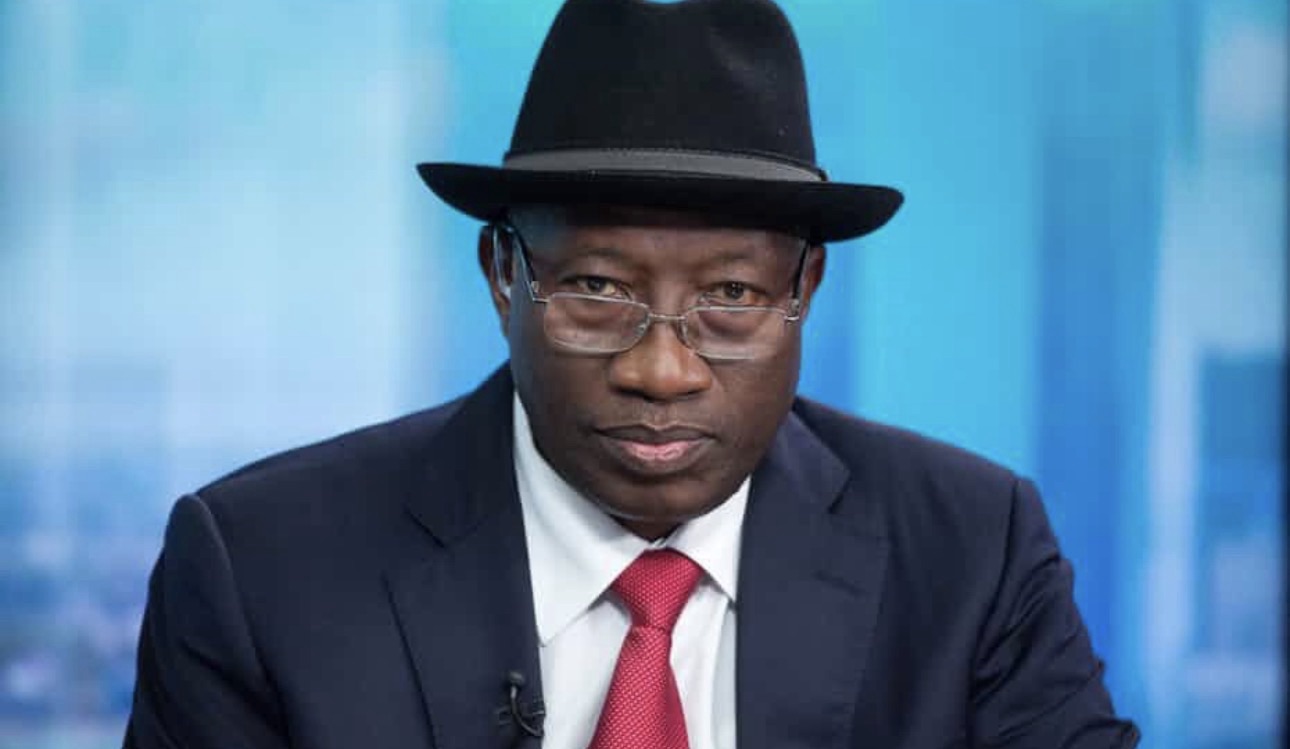
For an ex-president who left office over a decade ago, Goodluck Ebele Jonathan continues to loom large over Nigeria’s political chessboard. Every election cycle, a familiar dance plays out: rumors of his return spark a flurry of panic, followed swiftly by a wave of lawsuits aiming to lock him out of the villa permanently.
The recent judgment by Justice Peter Lifu of the Federal High Court in Abuja (Suit No: FHC/ABJ/CS/2102/2025) is the latest chapter in this saga. By dismissing a suit seeking a perpetual injunction against Jonathan’s candidacy, the court didn’t just clear a path for the Otuoke-born politician; it reaffirmed a fundamental pillar of Nigerian jurisprudence: the law looks forward, not backward.
To understand why the legal challenges against Jonathan keep crumbling, we have to look at the intersection of a constitutional amendment, the doctrine of retroactivity, and the ghost of a precedent set four years ago.
The Core of the Contention: Section 137(3)
The legal ammunition used by Jonathan’s detractors is the Fourth Alteration to the 1999 Constitution, specifically Section 137(3), which was signed into law in 2018. The section explicitly states:
“A person who was sworn in to complete the term for which another person was elected as President shall not be elected to such office for more than a single term.”
On the surface, the math seems straightforward to his opponents. Jonathan was sworn in in 2010 following the tragic demise of President Umaru Musa Yar’Adua. He won his own full term in 2011. If he were to run and win again, he would take the presidential oath for a third time. To the plaintiffs, this feels like an explicit violation of the spirit of the 2018 amendment.
But law is not just arithmetic; it is an exercise in timing, context, and vested rights.The Baseline: The 2022 Yenagoa Precedent
Justice Lifu’s recent ruling did not emerge from a vacuum. It heavily relied on a landmark baseline established on May 27, 2022, by Justice Isa Hamma Dashen at the Federal High Court in Yenagoa (Suit No: FHC/YNG/CS/86/2022).
In that case, the court dismantled the anti-Jonathan argument using three critical judicial doctrines:
- The Principle of Non-Retroactivity: A law cannot act as a time machine. Justice Dashen ruled that the 2018 amendment applies prospectively—governing only those sworn in to complete terms after 2018. Jonathan’s completion of Yar’Adua’s term (2010–2011) and his subsequent full term (2011–2015) were concluded years before Section 137(3) even existed.
- Protection of Vested Rights: Under the constitutional framework operating during his presidency, Jonathan had a fully realized right to seek a second elected four-year term. The National Assembly cannot retroactively strip an individual of a constitutional right they held in the past.
- Duty vs. Election: The court distinguished between taking an oath of office out of constitutional necessity (stepping in for a deceased leader) and winning an election. Jonathan has only ever been elected president once, in 2011.
Why the Latest Abuja Suit Flanked Out
When the new challenge arrived in Abuja under Justice Peter Lifu, it faced a high judicial hurdle. Because the 2022 Yenagoa judgment was never appealed or set aside by a superior court, it remained binding.
Justice Lifu dismissed the fresh suit on two sharp prongs:
- Res Judicata: You cannot continuously re-litigate a matter that the courts have already definitively settled. The issue of Jonathan’s eligibility is res judicata—already judged.
- Locus Standi: The court frowned at the plaintiff’s lack of “standing to sue,” labeling the case meddlesome. In Nigerian public law, you cannot merely rush to court over a political curiosity unless you can demonstrate how the action directly infringes upon your personal rights.
The Takeaway
The continuous clearing of Goodluck Jonathan by the courts is less about political favoritism and more about maintaining constitutional integrity. If the judiciary allowed amendments to retroactively strip away citizens’ past rights, it would set a chaotic precedent where no past action is legally safe from future legislation.
Whether Jonathan chooses to run again is a question for the politicians and the strategists. But as far as the law is concerned, the door remains wide open. The courts have spoken, and they have refused to let the future rewrite the past.

