

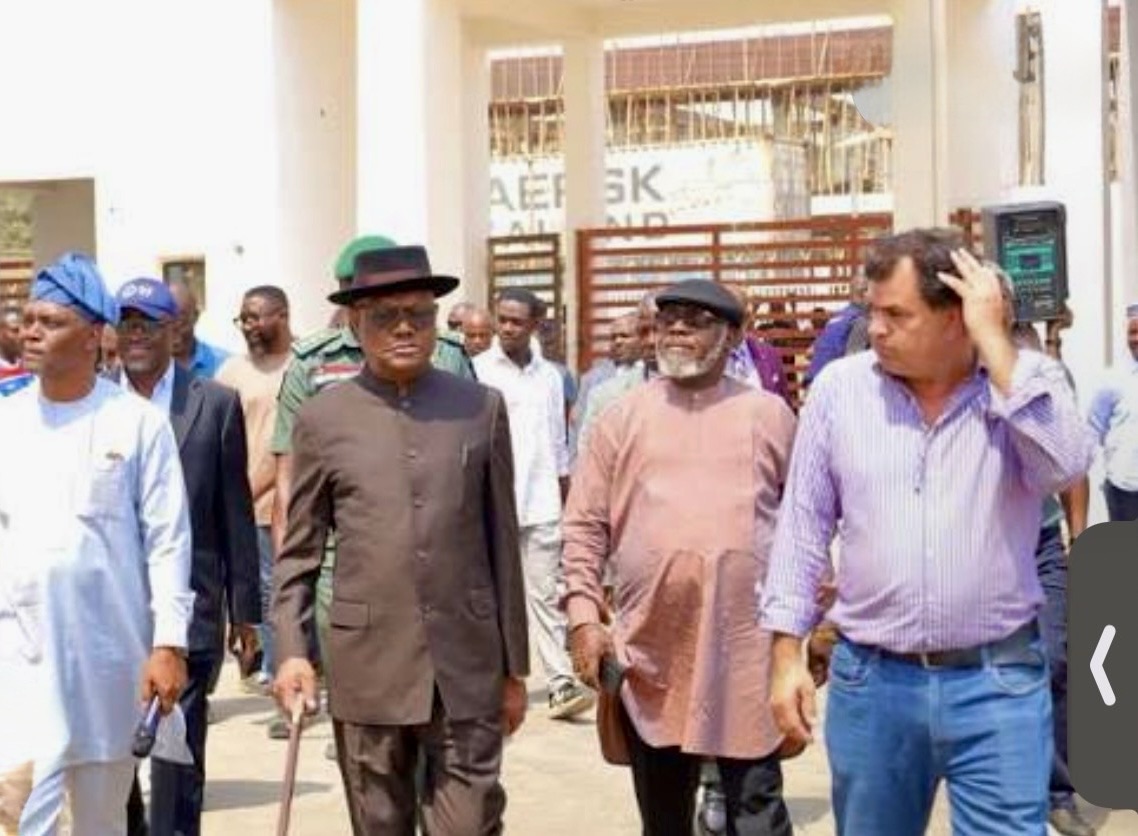
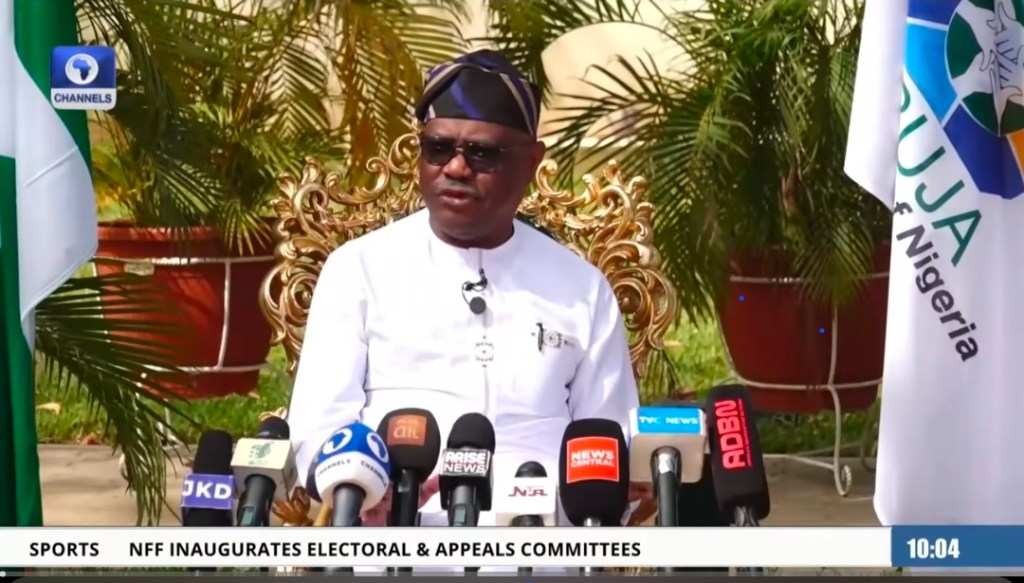
Nyesom Ezenwo Wike exemplifies patronage politics (also called clientelism or godfatherism) in contemporary Nigeria. This system involves asymmetric exchanges where a powerful patron provides resources, opportunities, protection, or access in return for loyalty, political support, and control. In Nigeria’s context, it blends traditional African big-man politics with the realities of weak institutions, oil wealth, and competitive federalism.
Conceptual Foundations in Nigerian Politics
Patronage is not unique to Wike but deeply rooted. It features:
- Resource distribution based on loyalty rather than merit.
- Personalized power over institutional rules.
- Reciprocal obligations that can outlast formal offices.
Critics see it as undermining democracy through elite capture and dependency. Defenders argue it delivers results in dysfunctional systems by enabling decisive action where bureaucracy fails. Wike’s career spans both sides of this dynamic, as a client who broke from patrons and as a formidable patron himself.
Wike’s Rise: From Client to Patron
Wike’s trajectory highlights the fluidity of patronage networks:
- He served as Chief of Staff to Rotimi Amaechi (then Governor of Rivers State) and later as Minister of State for Education under President Goodluck Jonathan.
- He navigated and eventually challenged Amaechi’s influence, winning the governorship in 2015 partly through federal backing during the PDP-APC realignments.
- As governor (2015–2023), he built a strong personal machine through infrastructure projects, appointments, and control of party structures.
Wike often frames himself as a self-made leader who “fought his way to power,” rejecting pure godfather narratives. Yet he actively cultivated loyalty networks. His fallout with successor Siminalayi Fubara (whom he helped install) reveals the classic instability of such arrangements: protégés seek autonomy, leading to bitter power struggles.
Manifestations in Rivers State (Governance Phase)
As Rivers Governor, Wike’s patronage operated through:
- Infrastructure as patronage Massive road and flyover projects in Port Harcourt earned him the “Mr. Project” moniker. These delivered visible public goods while creating contracts and jobs tied to his network.
- Political appointments and jobs Allegations of loyalty-based hiring. His successor Fubara notably canceled some late-term job approvals, labeling them “political patronage.”13
- Control of party machinery Dominance in PDP structures in Rivers, using resources and influence to maintain factional control.
- Confrontational style Public outbursts and resource leverage (e.g., withholding federal allocations in disputes) reinforced his authority.
This model accelerated development in a volatile, oil-rich but flood-prone state but entrenched dependency and political volatility. The Wike-Fubara rift, marked by lawsuits, legislative crises, and federal interventions, exemplifies how godfatherism can destabilize governance.26
Patronage in FCT Role (2023–Present)
As Minister of the Federal Capital Territory under President Bola Tinubu (despite PDP affiliation), Wike wields enormous discretionary power over Abuja’s land, a scarce and valuable asset in Nigeria’s capital.
Key examples:
- Land allocations Defends allocations to diplomats, investors, traditional rulers (with fee waivers), and media houses as tools for development and investment attraction. He argues government allocates (does not sell) land to encourage building and economic activity.
- Hypocrisy call-outs In 2026 exchanges, Wike highlighted that critics (including Channels TV) benefited from past allocations, framing opposition as ingratitude or selective outrage. Channels countered they paid full fees in 2007.
- Family and associate allegations Reports claim approvals for family members (including his elderly father) and allies, raising conflict-of-interest concerns.43
- Enforcement and revocation Aggressive revocation of undeveloped plots and ground rent enforcement modernizes the city but is criticized as selective or punitive toward opponents.
These actions blend developmental goals (urban renewal, diplomatic engagement) with patronage tools (rewarding allies, building cross-party alliances via Tinubu).
Nuances and Multiple Angles
Strengths/Defender’s View:
- Delivers tangible results where others falter (roads, demolitions of illegal structures, revenue drive).
- Pragmatic in a patronage-saturated system. Uses tools available to achieve outcomes like attracting investment to Abuja.
- Transparency in some admissions (e.g., publicly noting beneficiaries) contrasts with opaque norms.
Criticisms:
- Risks elite capture and inequality Prime land favors connected individuals over public housing or transparent auctions.
- Undermines institutions Personalized control erodes rule of law and successor independence.
- Instability Godfather-protégé battles (Amaechi-Wike, Wike-Fubara) create governance paralysis.
Broader Implications:
- Democracy Reinforces “big man” politics over programmatic competition, contributing to voter apathy and low trust.
- Development Short-term gains (projects) vs. long-term risks (unsustainable dependency, corruption perceptions).
- Federal dynamics Wike’s cross-party ministerial role shows patronage enabling elite pacts but complicating party accountability ahead of 2027.
- Media and civil society Tensions reveal how patronage can co-opt or intimidate watchdogs.
Edge Cases and Related Considerations
- Sustainability: What happens post-Wike? Fubara’s resistance suggests pushback against overreach, but weakened structures may invite new patrons.
- Legal/ethical gray areas: Land allocation is a legitimate executive function, but without full transparency (e.g., public beneficiary lists, clear criteria), it invites abuse claims.
- Comparative lens: Similar to other Nigerian godfathers (e.g., historical figures in Lagos, Kano) or global clientelist systems (Latin America, parts of Asia). Wike stands out for bluntness and infrastructural delivery.
- Reform potential: Stronger institutions, digital land registries, campaign finance rules, and independent anti-corruption bodies could mitigate excesses without eliminating beneficial elite coordination.
- Public fatigue: Many Nigerians accept patronage as “how things work,” prioritizing deliverables over purity—explaining Wike’s enduring influence despite controversies.
Overall Assessment: Wike is a master practitioner of patronage who pairs it with visible execution, making him effective yet polarizing. His approach accelerates development in weak institutional environments but perpetuates cycles of dependency, rivalry, and selective accountability that hinder deeper democratic consolidation. The 2026 land debates and Rivers feuds illustrate this tension acutely: patronage gets things done, but at what long-term cost to fairness and stability?
This system reflects Nigeria’s political economy more than one individual. True transformation requires both strong leaders and stronger rules.

