

Nyesom Ezenwo Wike (born December 13, 1967) is a prominent Nigerian politician, lawyer, and the current Minister of the Federal Capital Territory (FCT) since August 2023. He previously served as Governor of Rivers State from 2015 to 2023, earning a reputation as a bold, results-driven, and often combative leader.
Early Life and Education
Wike hails from Rumuepirikom in Obio-Akpor Local Government Area, Rivers State, an Ikwerre ethnic background in the oil-rich Niger Delta. He studied Law at the Rivers State University of Science and Technology (now Rivers State University) and was called to the Nigerian Bar. His legal training often shows in his sharp, direct, and sometimes confrontational public style.
Political Career Trajectory
- 1999–2007: Executive Chairman of Obio-Akpor LGA (two terms), his entry point into grassroots governance.
- 2007–2011: Chief of Staff to Rivers State Governor Chibuike Rotimi Amaechi.
- 2011: Minister of State for Education under President Goodluck Jonathan; briefly acted as full Minister.
- 2015–2023: Elected Governor of Rivers State (twice). Known as “Mr. Project” for aggressive infrastructure delivery, including numerous flyovers, roads, and urban renewal in Port Harcourt.
- 2023–present: Appointed FCT Minister by President Bola Tinubu (APC), despite being a PDP member. This cross-party move followed his rift with the PDP presidential candidate Atiku Abubakar in 2023, where Wike led the G5 governors in demanding party equity.8
Wike’s career reflects classic Nigerian political godfatherism dynamics. He rose with support from figures like Amaechi but later had high-profile fallouts, including with his successor, Governor Siminalayi Fubara.
Key Achievements and Style
As Rivers Governor, Wike focused heavily on infrastructure in a challenging, flood-prone, and politically volatile environment. Supporters praise his “can-do” attitude, rapid project execution, and willingness to confront federal power when needed (e.g., during the Buhari era).
As FCT Minister, he has pursued aggressive urban renewal in Abuja: enforcing ground rents, revoking underutilized plots, demolishing illegal structures, and pushing road projects, diplomatic allocations, and investor-friendly developments. He frames these as necessary to modernize the capital, attract investment, and end decades of decay and shantytowns.
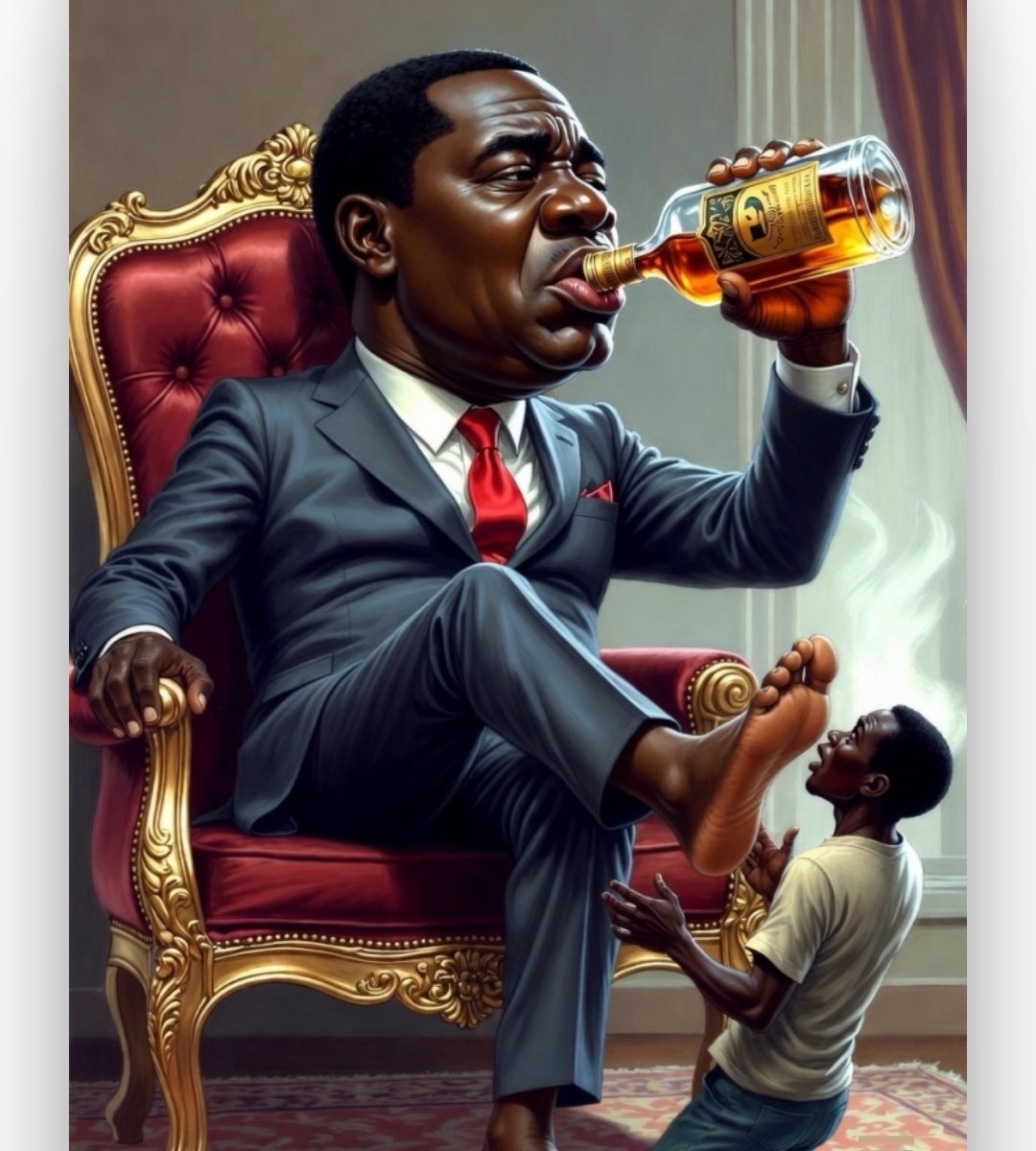
His governance style is decisive, outspoken, and unapologetic. He rarely shies from media confrontations and uses blunt language that resonates with supporters as strength but critics as arrogance or “big manism.”
Major Controversies
Wike’s tenure has generated significant heat:
- Political Rifts: Feuds with Amaechi, Atiku/PDP leadership, and now Fubara have dominated Rivers politics, often involving accusations of interference, court battles, and parallel structures.
- Land and Patronage in FCT: Recent (May 2026) clashes involve allocations to diplomats/investors and claims that media houses (including Channels TV) benefited from similar gestures. Wike accused critics of hypocrisy, noting many journalists and outlets sit on allocated land while criticizing policy. Channels TV countered that it paid fully for its Guzape headquarters in 2007 and challenged him to release full beneficiary lists.
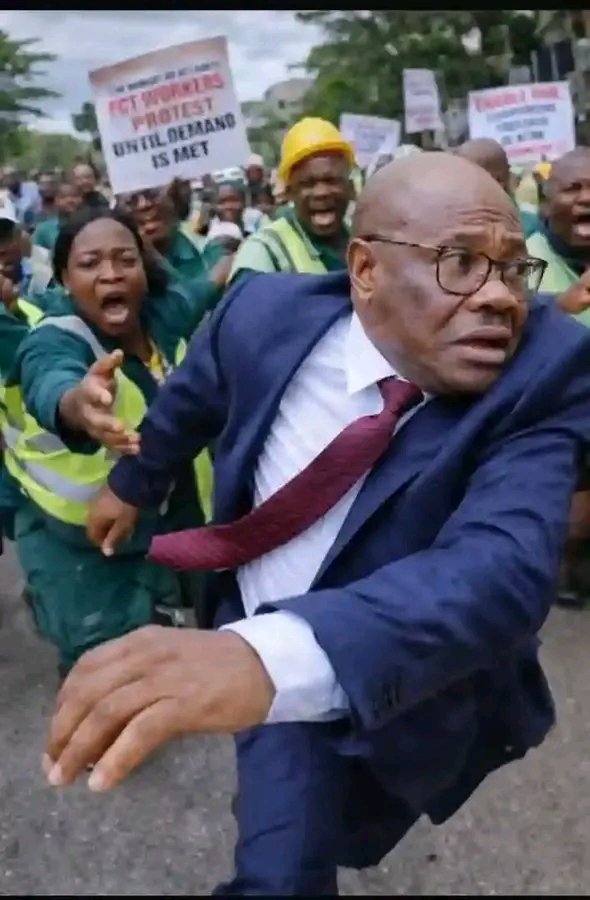
- Heavy-Handed Approach: Demolitions, enforcement actions, and public outbursts (including incidents involving security personnel) draw accusations of authoritarian tendencies.
- Party Defection Dynamics: Working with an APC government while holding PDP membership fuels perceptions of opportunism, though Wike positions it as pragmatic service to Nigeria.
Critics view him as emblematic of Nigeria’s patronage politics, ego-driven leadership, and selective accountability. Supporters see a rare politician who delivers tangible projects and refuses to play “pretend” politics.
Current Context (as of May 2026)
Wike remains influential in PDP factional battles (e.g., recent tensions with Turaki-led groups over party offices in Abuja) while driving FCT projects. He insists 2027 politics will not distract from his ministerial duties. His relationship with Tinubu appears strategic for both sides ahead of future elections.
Broader Implications and Nuances
Wike embodies the contradictions of Nigerian elite politics: impressive infrastructural output paired with polarizing methods and patronage networks. His success highlights how strong-willed leadership can accelerate development in dysfunctional systems, yet it also underscores risks of personalized power, weakened institutions, and media-government tensions.
In a country where accountability is often weak, his transparency in admitting patronage elements (e.g., “many of you benefited too”) is unusual, refreshing to some, damning to others. It forces public debate on whether land allocation is legitimate urban planning or elite capture.
Edge Cases and Considerations: Wike thrives in crisis and confrontation but risks overreach, legal challenges, or public backlash if economic hardships intensify. His model works in Rivers/FCT with federal backing but may not scale nationally without broader reforms. Long-term legacy will depend on whether his projects outlast the controversies and if Rivers State stabilizes post his governorship.

