

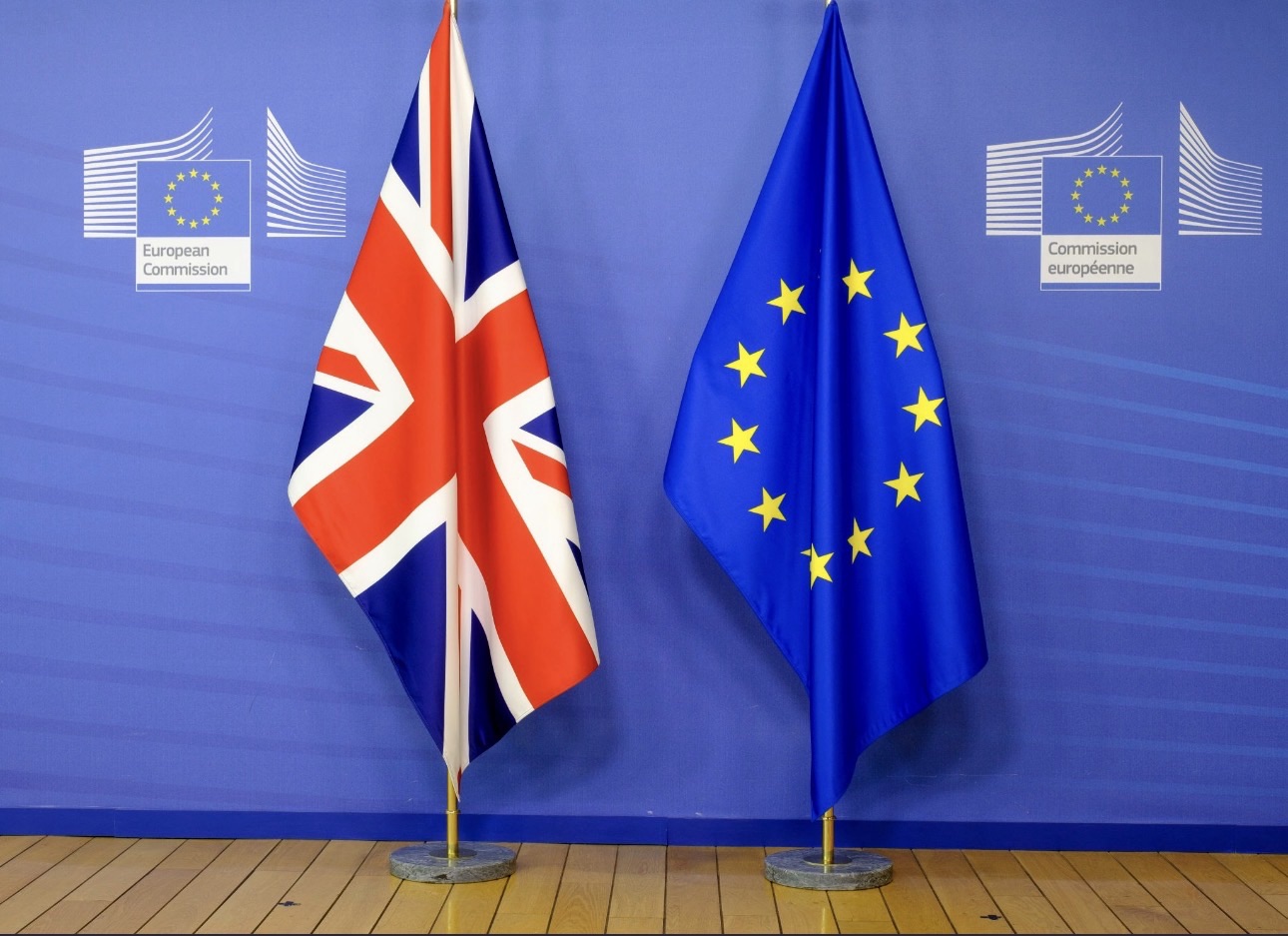
It has officially been a decade since June 23, 2016, the fateful day the British public looked at the status quo, looked at the European Union, and said, “You know what? Let’s see what happens if we pull this dynamic-looking lever.”
Ten years later, the dust has somewhat settled, the screaming matches have quieted down to a low simmer, and we finally have enough data to move past the initial hysteria. It turns out that leaving the EU wasn’t the immediate utopian dawn of “Global Britain,” nor was it the Mad Max-style economic apocalypse its detractors promised. Instead, it’s been a uniquely messy, fascinatingly volatile ride.
Here is where the UK stands a decade after the ultimate political plot twist.
1. The Earthquake: It Was Never Just About the Money
Looking back, the Leave victory was a masterclass in underestimating voter sentiment. While the “Remain” camp brought dry spreadsheets and economic warnings to a knife fight, the “Leave” campaign brought a vibe.
The vote wasn’t a cold, calculated financial decision; it was a political earthquake fueled by a deep-seated distrust of the establishment and an intense desire to reclaim national sovereignty. It was the ultimate “can you hear me now?” to Westminster and Brussels alike. For millions, reclaiming autonomy was worth whatever price tag came with it.
2. The Economic Hit: Nuance Over Calamity
So, what was that price tag? According to sophisticated modeling from Bloomberg Economics, which attempted to isolate Brexit from other wild historical plot twists like a global pandemic and an energy crisis, the UK economy is roughly 2% to 4% smaller than it would have been had it stayed.
It’s a notable hit to productivity, but it isn’t the total economic wasteland that was once predicted. It’s more like a persistent, annoying financial headwind.
3. The Prime Minister Carousel
If the economic impact was a slow burn, the political impact was a literal fireworks factory explosion. Brexit shattered the traditional mold of British politics, inducing a multi-year parliamentary deadlock that devoured prime ministers like an angry deity demanding sacrifices.
From David Cameron’s immediate exit to Theresa May’s endless “meaningful votes,” Boris Johnson’s “Get Brexit Done” mantra, and the blink-and-you-miss-it economic chaos of Liz Truss, Brexit re-sorted the DNA of British political parties. It turned traditional allies into enemies and made “flexibility” the survival trait of the decade.
4. The Great Immigration Switcheroo
Perhaps the most ironic twist of the post-Brexit saga belongs to the immigration debate. The primary rallying cry for leaving the bloc was to “take back control” of British borders and curb immigration.
Ten years on, the data shows that net migration didn’t actually drop, it just changed its passport. While EU workers heading to the UK dwindled due to the end of free movement, the UK government filled the labor gaps by issuing visas to non-EU countries. The result? Total immigration numbers remained high, leaving many Leave voters with a profound sense of bureaucratic betrayal.
5. A Catalyst for Global Populism
The UK didn’t operate in a vacuum. The 2016 referendum was the canary in the geopolitical coal mine. Just months later, the US elected Donald Trump, and across Europe, populist movements began surging using the exact same playbook: anti-establishment rhetoric, border control, and national nostalgia. Brexit will go down in history as the opening salvo of our current, highly fragmented, nationalistic world order.
The Next Decade: Where Do We Go From Here?
Today, polls consistently show a quiet undercurrent of “Bregret,” with a majority of Brits signaling they would support rejoining the EU if given a magical undo button. However, back in the real world, the political resistance to reopening that radioactive box is monumental. Brussels isn’t exactly handing out unconditional invites, either.
Instead, the realistic path forward points toward the UK eventually negotiating a clean, quiet form of “associate membership” or closer sector-by-sector alignment.
But if the last ten years have taught us anything, it’s that blaming Brussels or relying on it, is a tired strategy. For the UK to thrive in the 2030s, it has to move past its mid-2010s identity crisis and focus on the unglamorous, fundamental basics: fixing domestic productivity, upgrading public infrastructure, and restoring steady, predictable governance.
The lever was pulled. The machine changed. Now, it’s just about learning how to drive it.

