

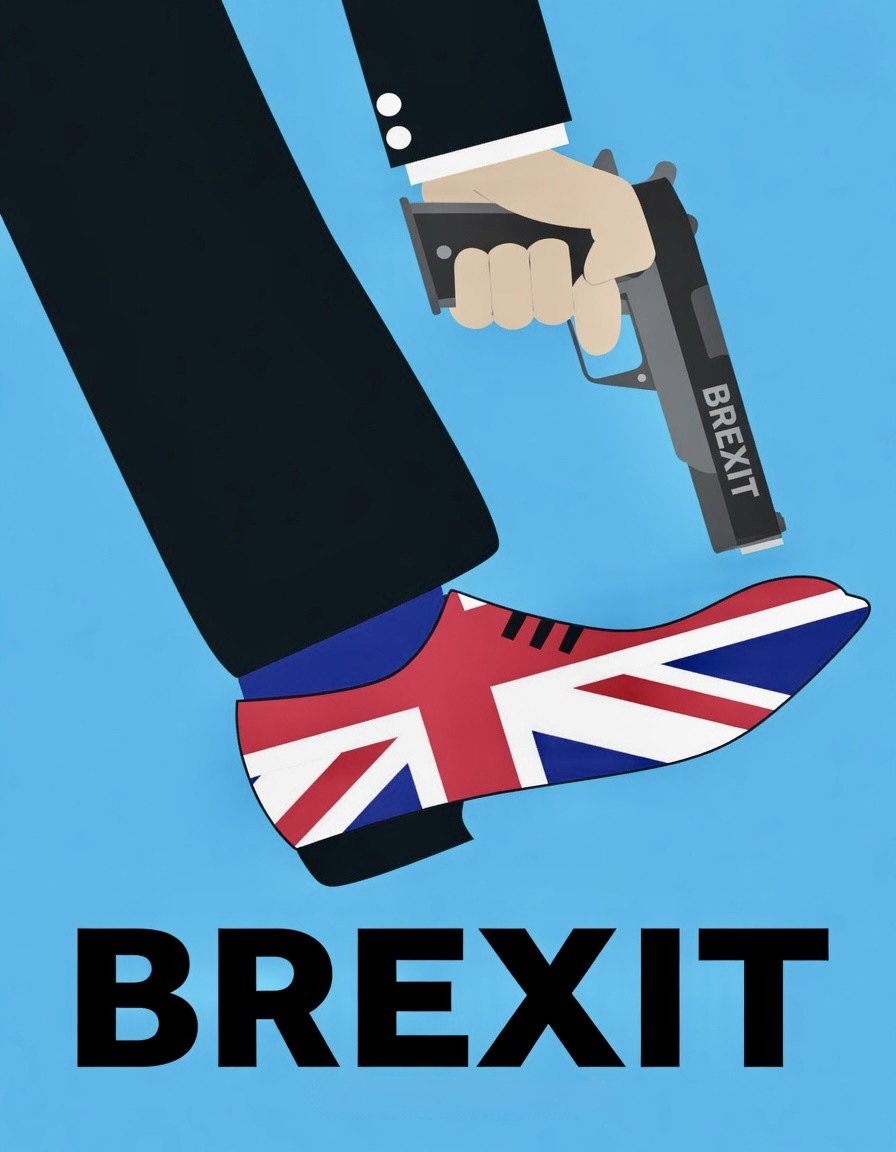
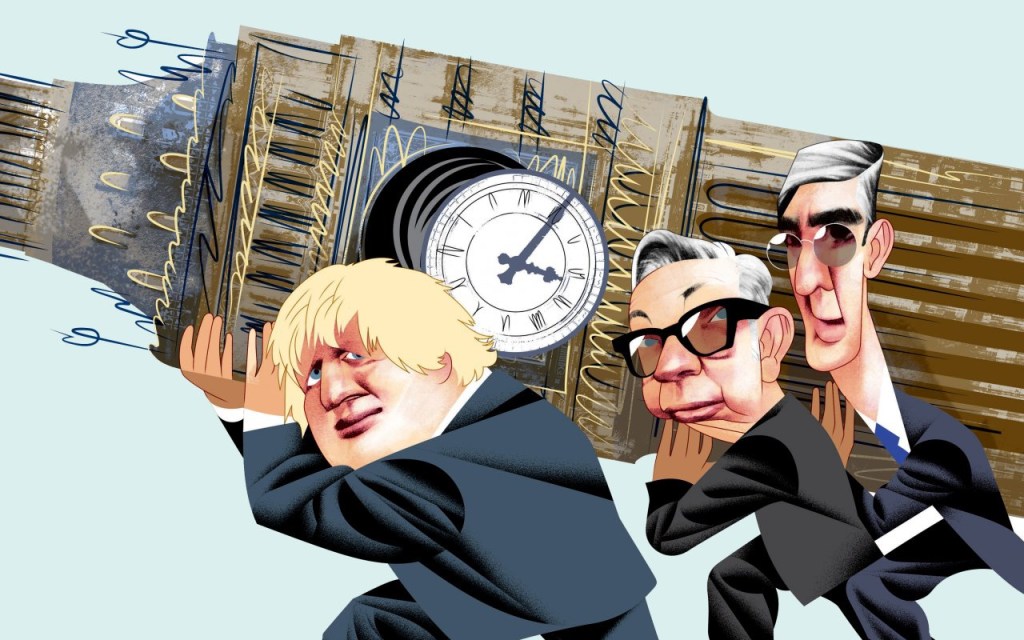
It is a uniquely masochistic pleasure to read ten-year-old newspaper editorials and see just how precisely they nailed the mechanics of our current misery.
Back in June 2016, exactly a decade ago, The Guardian dropped its final, desperate endorsement for the Remain campaign:
“Keep connected and inclusive, not angry and isolated.”
At the time, the Brexiteers led by Neil Farage dismissed it as standard-issue, metropolitan elite “Project Fear.”
Ten years later, the data is in, the receipts have cleared, and it turns out Project Fear was actually just a remarkably accurate weather forecast.
The Reality of “Taking Back Less Control”
The 2016 editorial directed a specific, urgent warning toward working-class voters who were leaning toward the exit door:

“There would be no ‘taking back control’ for most working-class leave voters, just less control over their diminishing share than ever… Those who vote to leave as a protest against the elite will, in truth, be handing the keys to the very worst of that very elite.”
If you look at the UK economy today, that paragraph reads less like political commentary and more like a time-traveler’s warning. We didn’t claw back control from unelected bureaucrats; we handed the steering wheel to a carousel of disaster-capitalist politicians who used the chaos to deregulate, defund, and lower living standards.
The economic fallout isn’t an abstract academic debate anymore. Recent macroeconomic data reveals a sobering picture of where that “independence” landed us:
- The Stagnation Tax: Analysis shows the UK economy is between 6% and 8% smaller than it would have been had we remained.
- The Investment Desert: Business investment has lagged behind comparable nations by a staggering 18%, driven by years of regulatory whiplash.
- The Household Hit: The average citizen is thousands of pounds poorer, hit by a persistent productivity drain and the long tail of the post-Brexit inflation shock that tanked the pound.
- The tragic irony of the “protest vote” is that the very communities that voted most enthusiastically to punish Westminster’s elite are the ones bearing the brunt of a hollowed-out public square.
Cutting Ourselves Off Solved Literally Nothing
The editorial’s broader philosophical argument was that modern crises require cross-border cooperation. “Cap your own carbon emissions in isolation and some other country will burn with abandon,” the paper noted. “Cutting yourself off solves nothing.”
Look at the major geopolitical stress points. Whether it’s navigating energy security, managing migration pipelines, or standing firm against international aggression, the UK has spent the last decade discovering that shouting sovereign commands from a mid-sized island doesn’t magically alter foreign policy. Instead of leading the room, our leaders have spent years knocking on the door, begging for side-deals, and discovering that “global Britain” carries significantly less clout when it’s standing out in the cold.The Image We Chose
The piece concluded with a blunt, binary test that feels incredibly raw today:
“Those who have not yet made up their mind in this campaign should ask themselves this: do you want to live in a Britain in the image of Nigel Farage? Yes or no?”Well, Britain blinked, said “why not?”, and we’ve spent a decade living in that exact socio-political landscape. The campaign toxified our public discourse, opening a Pandora’s box of performative grievance that hasn’t shut since. The national mood remains exactly what The Guardian warned against: frantic, indignant, and clouded with untruths.
We traded structural connection for a vague, emotional slogan, and ended up with a nation that is poorer, more fractured, and profoundly isolated. It turns out that when you vote for a fantasy wrapped in anger, the only thing you actually take back control of is your own decline.

