

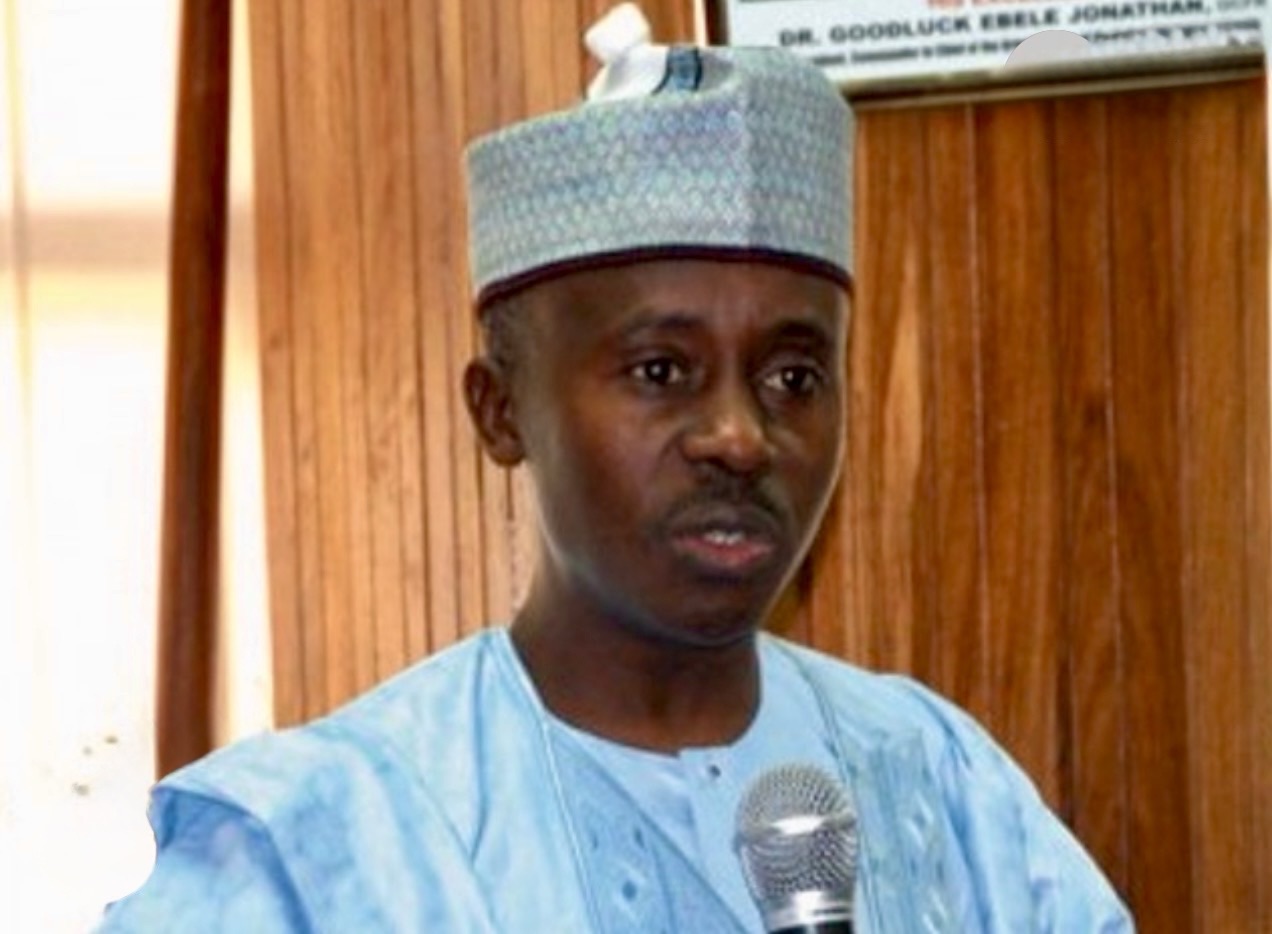
In January 2012, amid the Occupy Nigeria protests that followed the sudden removal of the fuel subsidy, the House of Representatives set up an Ad-Hoc Committee to investigate the management of the Petroleum Support Fund (PSF) scheme. Farouk Lawan, then widely regarded as one of the more upright lawmakers, was named chairman. The committee’s formal mandate was to verify the actual subsidy requirements and monitor the implementation of the regime, focusing primarily on 2009–2011.
After public hearings (16 January to 9 February 2012), testimonies from about 130 witnesses, and examination of roughly 3,000 volumes of documents, the committee submitted its report on 19 April 2012. The House adopted it shortly afterwards. What follows is a distillation of the key findings and recommendations.
### The Scale of the Overspend
The most striking single figure was the sheer size of the discrepancy:
– National Assembly had appropriated **₦245 billion** for subsidy in 2011.
– Official figures circulating at the time spoke of around ₦1.3 trillion.
– The Accountant-General put the figure at ₦1.6 trillion.
– The Central Bank recorded about ₦1.7 trillion.
– The Lawan committee calculated total subsidy payments at **₦2.587 trillion** by 31 December 2011 — more than **900%** above the budgeted amount.
The committee’s breakdown attributed large portions to NNPC withdrawals (including from the Excess Crude Account) and payments to marketers.
### Daily Consumption vs What Was Paid For
One of the most damning observations was the gap between claimed imports and realistic consumption:
– Vessels were recorded as discharging the equivalent of about **59 million litres** of PMS per day.
– Actual national consumption was estimated at roughly **35 million litres** (later refined by the committee to around 31.5 million litres).
– That left a daily surplus of roughly **24 million litres** that the committee said was being paid for but not consumed by Nigerians — money effectively available for diversion, smuggling, or pure paper claims.
### Specific Irregularities Uncovered
The report documented a catalogue of sharp practices:
– **Payments for fuel never supplied**: Certain marketers collected over **₦230 billion** on claimed volumes of more than 3.26 billion litres that records showed were not delivered.
– **Round-tripping and phantom vessels**: Evidence (including Lloyd’s List Intelligence data) of ships claiming multiple discharges of the same cargo, vessels that were elsewhere (or “dead”) at the claimed time of discharge, and “offshore Cotonou/Lomé” lightering claims that did not hold up.
– **NNPC’s special treatment**: The corporation deducted subsidy on kerosene after a presidential directive had removed it (₦310.4 billion in arrears claimed), took more than PPPRA-recommended amounts (₦285 billion), and granted itself crude-oil discounts (₦108.6 billion).
– **PPPRA excesses**: The regulatory agency itself was found to have made large excess payments to itself (around ₦312 billion in the recommendations).
– **Forex without imports**: Companies that obtained foreign exchange for product importation but failed to bring in the corresponding volumes.
– **Proliferation of players**: The number of licensed importers ballooned from a handful in the mid-2000s to well over 100 by 2011, including firms with little or no track record in the sector.
### Recommended Refunds
The committee called for the return of **₦1.067 trillion** to the Federation Account within three months, broken down roughly as:
| Entity / Category | Amount Recommended for Refund |
|————————————|————————————|
| NNPC (kerosene subsidy) | ₦310.4 billion |
| NNPC (above PPPRA recommendation) | ₦285.1 billion |
| NNPC (self-discount) | ₦108.6 billion |
| Marketers (PSF violations) | ₦8.7 billion |
| Companies that refused to appear | ₦41.9 billion |
| PPPRA (excess payments to self) | ₦312.3 billion |
| **Total** | **≈ ₦1.067 trillion** |
It also recommended that anti-corruption agencies investigate and prosecute those involved in the infractions, recover forex obtained without corresponding imports, and pursue further cases of round-tripping.
### Institutional Recommendations
Beyond the money, the committee called for:
– Overhaul of NNPC management and board; eventual unbundling via a comprehensive Petroleum Industry Bill.
– Investigation of PPPRA, DPR, NPA and other agencies for collusion or negligence in certification and monitoring.
– Better monitoring of actual product delivery (especially kerosene) and tighter controls on “offshore” claims.
– A more realistic 2012 subsidy budget of about ₦807 billion based on lower, verifiable consumption figures.
### The Aftermath
The report briefly electrified public discourse. It was followed by further verification exercises (including the Aig-Imoukhuede presidential committee). Some prosecutions were launched by the EFCC, a handful of marketers were eventually convicted years later, and limited recoveries were made. However, the larger structural reforms and the full recovery of the recommended sums never materialised on the scale the committee envisaged.
The investigation’s momentum was also severely damaged by the bribery scandal that engulfed Lawan himself: he was later convicted for accepting $620,000 (part of an alleged $3 million demand) from Femi Otedola in a sting operation related to the probe. That episode shifted media and political attention from the substance of the findings to the integrity of the investigator.
In short, the Lawan committee produced one of the most detailed public inventories of how the subsidy system had been systematically gamed between 2009 and 2011. It quantified the overspend, named categories of abuse, and proposed concrete refunds and institutional fixes. What it could not do was force the political system to act fully on its own recommendations.

