

There are few things more instructive than watching great powers discover their principles in real time. One decade they are bombing a North African country into democracy; the next they are clutching their pearls about the sacred defensive character of NATO. The conversion is almost religious.
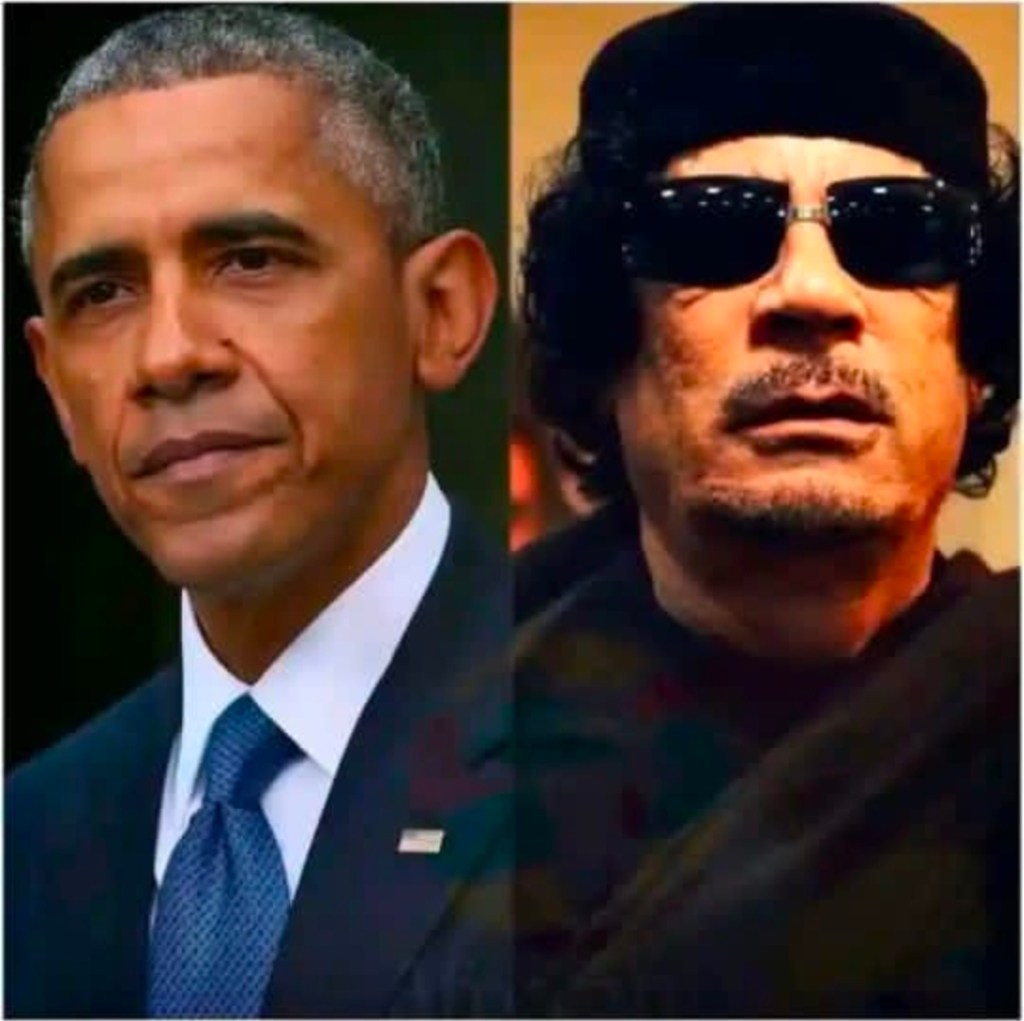
Barack Obama, to his credit, eventually admitted that the aftermath of the 2011 Libya adventure ranked among the deeper regrets of his presidency. He had been sold a clean humanitarian story: stop a massacre in Benghazi, then hand the keys to the newly liberated Libyans and their enthusiastic European sponsors. What followed was not liberation but a long, messy vacancy notice. Militias, rival governments, open-air slave markets, and a migration crisis that still knocks on Europe’s door. Obama later said the real failure was not planning for “the day after.” Fair enough. But the day after was supposed to be someone else’s problem—specifically, the problem of the two men who had been loudest about the need to act: Nicolas Sarkozy and David Cameron.
That is the part of the story that suddenly feels relevant again.
Europe’s current refusal to join any American expedition against Iran rests on a pristine legal and doctrinal claim: NATO is a defensive alliance. It exists to protect its members, not to project power for the convenience of one of them. This is, as a matter of treaty text and official policy, entirely correct. Article 5 is not a blank cheque for regime change. One can even admire the sudden rediscovery of constitutional limits.
The difficulty is that the same alliance, under the same doctrine, spent months in 2011 conducting an air campaign that no one seriously pretended was defensive. Libya had not attacked a NATO member. It had not threatened one. The stated purpose was the protection of civilians under a UN mandate that was rapidly expanded into the practical overthrow of a government. The loudest advocates for that expansion sat in Paris and London. Washington, after some hesitation, provided the enabling force and then discovered that the follow-through it had been promised never quite materialised. Obama trusted the Europeans to finish what they had insisted on starting. Trump, watching the same capitals now insist that NATO’s defensive character forbids any comparable risk against Iran, appears to have drawn a different lesson about the reliability of that trust.
The hypocrisy is not subtle. It is the geopolitical equivalent of a man who burns down the neighbour’s house because the smoke is annoying, then refuses to help rebuild on the grounds that he is only in the fire brigade for defensive purposes. When the target is a weak African state with oil and no nuclear deterrent, the alliance discovers flexibility. When the target is a regional power capable of making the costs reciprocal, the alliance rediscovers the letter of the treaty.
None of this is an argument for attacking Iran. It is an argument against selective amnesia. Alliances that treat their own founding documents as optional when convenient eventually discover that the other members have noticed. Obama’s regret about Libya was real, if incomplete; he still insisted the original intervention had been the right call. The deeper regret may belong to anyone who mistook European enthusiasm for European follow-through.
Trump’s irritation with NATO partners is often dismissed as transactional bluster. In light of the Libya record, it looks more like pattern recognition. Europe wanted the Americans to help remove a dictator they found inconvenient, then largely left the Americans—and the Libyans—to live with the consequences. Now the same capitals explain that the alliance cannot possibly be used for anything so vulgar as offence. The principle is sound. The timing is comic.
In international politics, principles that appear only when they are useful are not principles. They are alibis. And alibis, unlike alliances, do not age well.

