

Climate impacts disrupt fundamental human needs and systems, generating indirect pathways to insecurity:
- Resource Scarcity and Competition
Rising temperatures, altered precipitation patterns, droughts, floods, and land degradation reduce availability of water, arable land, and pastures. This intensifies competition, particularly in arid or semi-arid regions. For instance, shrinking water bodies and erratic rainfall heighten tensions between farmers and herders over grazing lands and water points. In vulnerable areas, such dynamics can escalate into intercommunal violence when governance fails to mediate disputes equitably. - Food Insecurity and Livelihood Disruption
Extreme weather damages crops, livestock, and fisheries through heat stress, soil erosion, flooding, or drought. This reduces agricultural yields, spikes food prices, and erodes rural incomes, pushing households into poverty or malnutrition. Food price volatility has historically contributed to social unrest (e.g., protests or riots), while chronic insecurity weakens social cohesion and can facilitate recruitment by armed groups offering alternative livelihoods. Projections indicate severe risks to food systems, with millions facing heightened malnutrition in hotspots. - Migration and Displacement
Slow-onset changes (desertification, sea-level rise) and sudden disasters displace tens of millions annually. Internal or cross-border movements strain host communities, potentially sparking tensions over jobs, services, or resources if integration is poorly managed. Displacement also exposes people to new risks, including loss of assets and increased vulnerability in camps or urban slums. By 2050, climate-related factors could drive significant population shifts, compounding humanitarian burdens. - Health and Infrastructure Risks
Warmer conditions expand disease vectors (e.g., malaria, dengue), while extreme events cause injuries, mental health strain, and outbreaks in overcrowded displacement settings. Damage to critical infrastructure—roads, ports, power grids, military bases—disrupts economies, emergency response, and defense readiness. Coastal installations and low-lying areas face particular threats from storms and inundation. - Conflict and Instability Amplification
Climate stressors interact with fragility: weak institutions struggle to deliver services amid shocks, eroding legitimacy and enabling extremist groups to exploit grievances. Evidence links temperature rises or rainfall variability to increased interpersonal violence or intergroup conflict risk (e.g., a 1°C increase associated with roughly 2% higher violence in some studies). However, the relationship is complex and context-dependent—not deterministic. Climate does not “cause” wars but can prolong them or create enabling environments for terrorism and unrest in fragile states.
Regional Perspectives and Examples
Impacts vary by geography, with developing regions—especially those with high dependence on rain-fed agriculture and limited adaptive capacity—facing disproportionate risks:
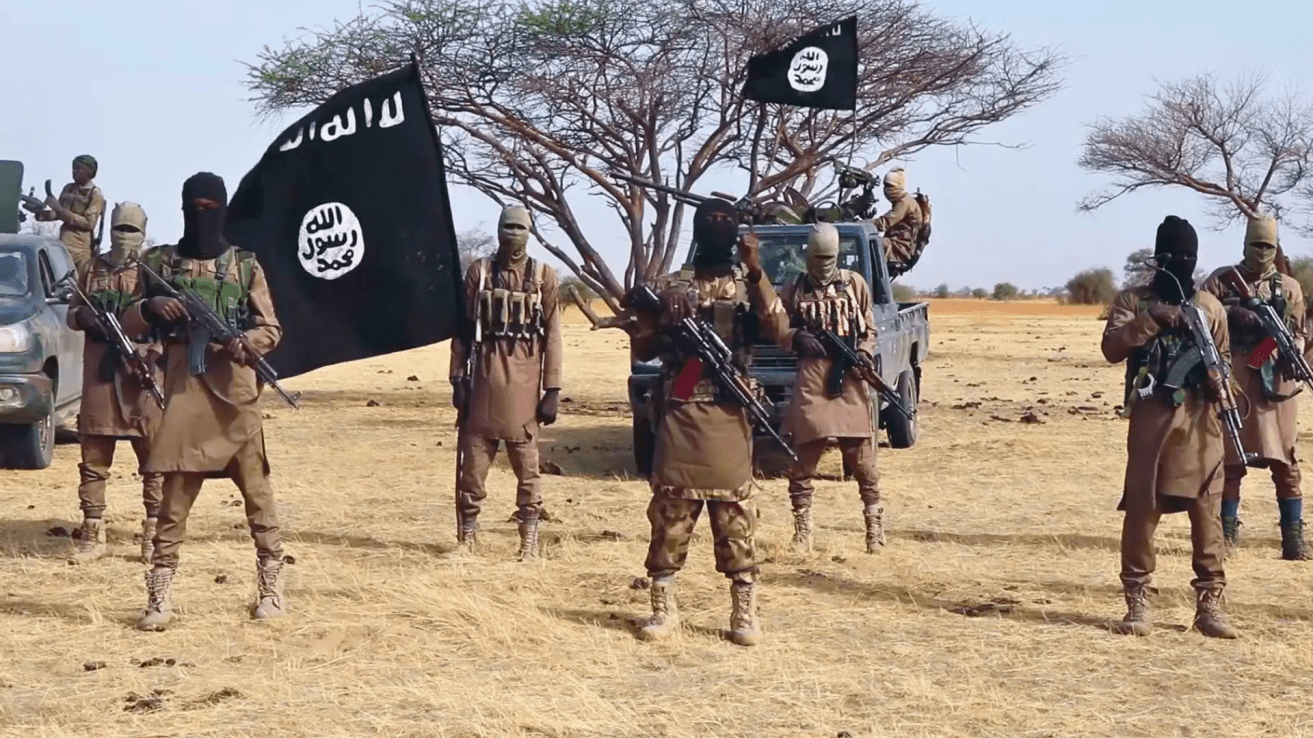
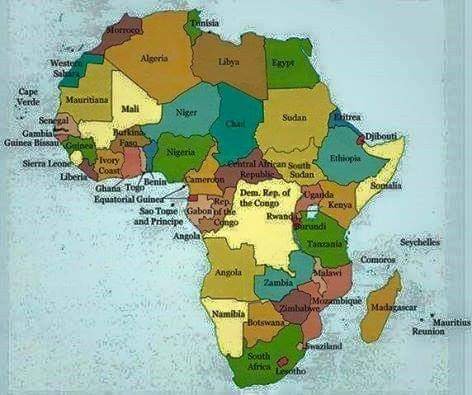
- Sahel and Lake Chad Basin (Africa): Temperatures rise faster than the global average, accelerating desertification and shrinking Lake Chad. This has intensified herder-farmer clashes, livelihood loss, and food insecurity, contributing to displacement and providing recruitment opportunities for groups like Boko Haram. Over 30 million face acute food insecurity in parts of the region, where climate acts as an accelerant amid existing insurgencies and governance challenges. Nigeria’s northern regions illustrate how drought and resource pressure intersect with banditry and communal violence.
- Horn of Africa and Sub-Saharan Africa: Recurrent droughts and floods drive pastoralist mobility, heightening cross-border tensions. Modeling suggests climate patterns could increase conflict risk significantly in vulnerable areas, with cascading effects on migration and humanitarian needs.
- Other Hotspots: South Asia (floods, monsoons), the Middle East/North Africa (water stress), Small Island Developing States (sea-level rise threatening habitability), and the Arctic (new resource/geopolitical competition as ice melts). In fragile states, these amplify instability; even stable nations face domestic costs from disasters and supply chain disruptions.
Globally, 3.3–3.6 billion people live in highly vulnerable contexts, where mortality from weather extremes is far higher due to intersecting inequalities.
Nuances, Edge Cases, and Limitations
- Not a Sole Driver: Most analyses emphasize that climate change interacts with political, economic, and social factors. Strong institutions, inclusive governance, and proactive adaptation can mitigate risks (e.g., effective early warning systems or resource-sharing agreements reduce conflict potential). In well-governed settings, climate impacts may primarily manifest as economic or humanitarian challenges rather than violence.
- Compound and Cascading Risks: Multiple stressors overlap—e.g., a drought coinciding with conflict destroys markets and aid access, creating “polycrises.” Unintended consequences of climate policies (e.g., large-scale land acquisitions for renewables) can also spark local grievances if not managed equitably.
- Geopolitical Dimensions: Transboundary issues like shared rivers or melting Arctic routes raise risks of interstate tension. Competition for resources or influence in vulnerable regions could reshape alliances. Military operations themselves face disruptions (e.g., extreme weather affecting bases or logistics).
- Differential Vulnerabilities: Women, indigenous groups, youth, and the poor often bear heavier burdens due to limited access to assets, decision-making, or mobility. Gendered impacts appear in livelihood loss and increased exposure during displacement.
- Uncertainties: While physical science links are robust (e.g., IPCC findings on extremes), social outcomes depend on human responses. Projections carry moderate confidence on exact conflict pathways due to complex variables. Over-attribution to climate risks “securitizing” the issue in ways that prioritize military responses over development or justice.
Implications and Forward Considerations
Climate security demands integrated approaches: adaptation investments (resilient agriculture, water management, early warning), conflict-sensitive policies, and diplomacy on transboundary resources. Framing it solely as a defense issue can overlook root causes; instead, linking it to sustainable development, peacebuilding, and equity yields better outcomes. Examples include community dialogues resolving herder-farmer disputes or regional frameworks addressing migration.
For policymakers, militaries, and societies:
- Adaptation as Prevention: Building resilience reduces multiplier effects—e.g., climate-smart farming or inclusive resource governance.
- Institutional Readiness: Governments and international bodies must enhance coordination between climate, development, and security actors.
- Global Equity: Wealthier nations bear historical responsibility for emissions; support for vulnerable countries (finance, technology, loss-and-damage mechanisms) is both moral and strategic.
- Long-Term Scenarios: Under high-emissions pathways, risks escalate sharply by mid-century, potentially overwhelming response capacities and reshaping global stability.
In essence, addressing climate change impacts on security requires viewing it holistically: not as an isolated environmental problem, but as intertwined with human well-being, governance quality, and international cooperation. Effective responses can transform potential threats into opportunities for more resilient, equitable societies. Neglect, conversely, risks compounding fragility in an already interconnected world. Ongoing monitoring, localized data, and adaptive strategies remain essential as conditions evolve.
 Centre for Nigeria Progress