

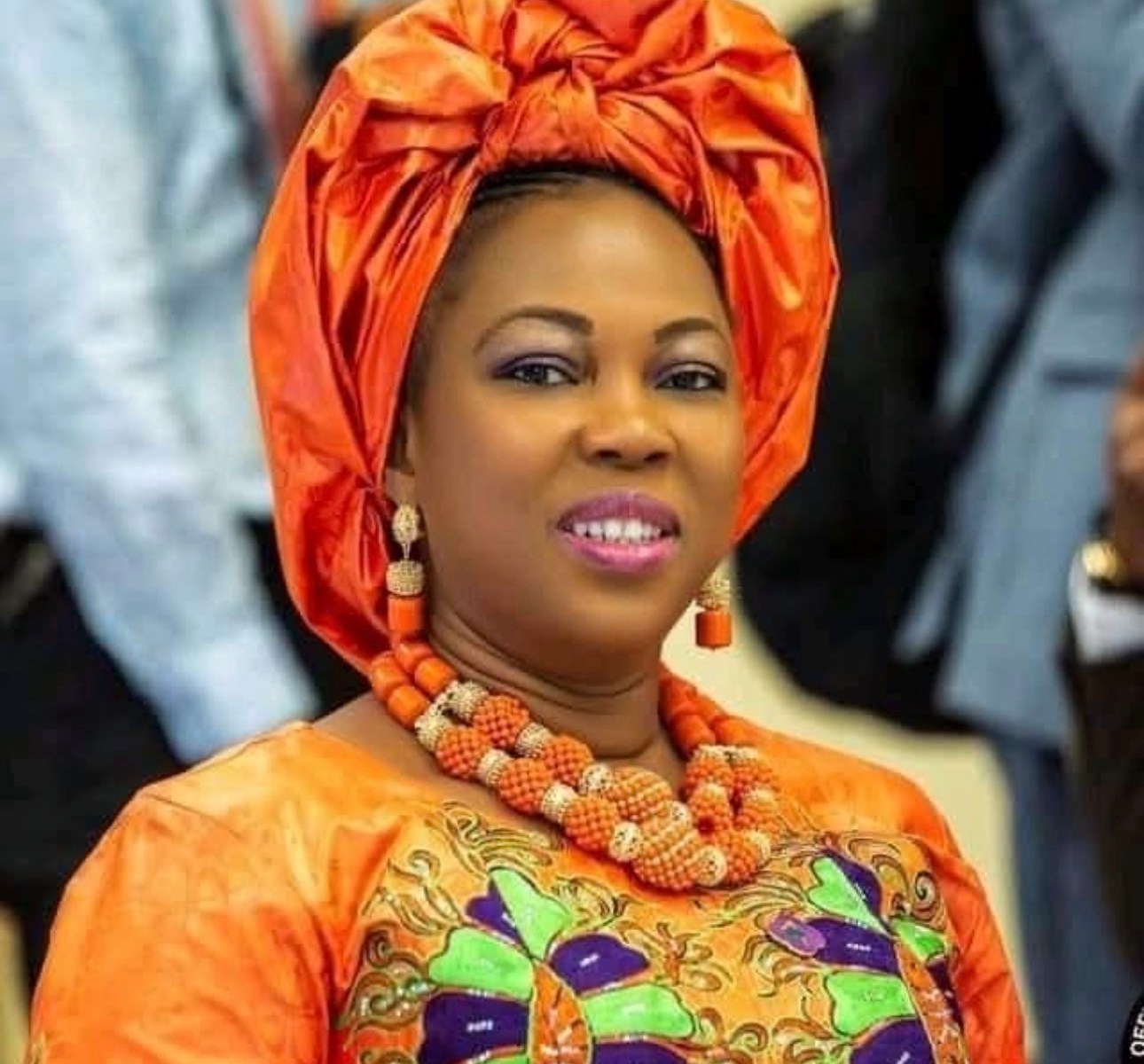

What do Fatmata Bio, Bob Crow, and Frank Dobson have in common?
On the surface, very little. The late Bob Crow was a firebrand white British trade union leader. Frank Dobson was a heavyweight white British Labour politician and former Health Secretary. Fatmata Bio is a Black woman, a former actress, and the current First Lady of Sierra Leone.
Yet, all three reached the absolute apex of their chosen fields. And all three shared another, more controversial common denominator: they retained their social housing tenancies even after achieving wealth, power, and public prominence.
To their political opponents, these three figures scored massive own goals. Critics look at a government minister, a top union boss, or a global First Lady occupying a council home and see an abuse of a system meant for the vulnerable. But this outrage exposes a fundamental, ideological rift in how we view the welfare state.
The Death of the “Mixed Community” Ideal
Modern critics view social housing as a cul-de-sac a temporary, strictly rationed safety net exclusively for the destitute. But that was never the original vision.
The architects of the post-war social safety net understood a vital political truth: safety nets only survive when they are universal. They believed social housing should accommodate a mix of working and middle-class people. Why? Because when a public benefit is used by all strata of society, it retains the political support of the middle class. Once a public service is successfully siloed as “only for the poor,” it becomes an easy target for opponents looking to underfund, discredit, and ultimately dismantle it.
By staying in their social homes, Crow and Dobson were acting on old-school solidarity. They refused to be forced out of their communities just because they found success.
The Intersection of Race, Media, and Real Estate
While Crow and Dobson faced their share of media scrutiny, the recent uproar surrounding Fatmata Bio carries a distinctly different, more toxic undertone.
In our current political climate, undercurrents of racism and anti-immigrant sentiment frequently give critics a license to sneer. The media coverage of the First Lady’s housing situation has often been laced with a specific kind of malice that her male, white British counterparts did not have to navigate in the same way.
Critics conveniently ignore a basic reality: the position of First Lady is temporary. Power shifts, terms end, and political life is notoriously unstable. Having a permanent home to return to in the UK just as Dobson and Crow had is a rational long-term plan for someone whose current prominence has a strict expiration date.
A Fundamentally Unfair Outcome
Recently, news broke that Fatmata Bio’s landlord successfully recovered her social housing property. It is highly likely that, buried under a mountain of adverse publicity and intense public scrutiny, the First Lady chose not to defend the case.
And that is fundamentally unfair.
When the media and political opponents weaponize someone’s housing status, they aren’t trying to solve the housing crisis. They are trying to enforce a system where success means abandoning your roots, and where social housing is treated as a badge of permanent poverty rather than a stable foundation for life. Fatmata Bio’s case isn’t a victory for fairness it’s a cautionary tale of how public pressure can strip a person of their home, simply because they dared to succeed while holding onto it.

