Nigerian: Country Policy and Information notes Guidance used by UK Visas and Immigration to make decisions in asylum and human rights applications from Nigeria

Country Policy and Information Notes (CPIN) for Nigeria are official guidance documents published by the UK Home Office and used by UK Visas and Immigration (UKVI) caseworkers, decision-makers, and immigration judges to assess protection (asylum) and human rights claims from Nigerian nationals.

Why thousands of West African children were privately fostered by white families By Wedaeli Chibelushi

From the 1950s to the 1970s, it was not at all uncommon for West African children and babies to be fostered via newspapers and childcare journals. The above advert was placed by a Nigerian mother looking for someone to care for her three-month-old.

Carry On Terror Far Right Edition by Lawson Akhigbe

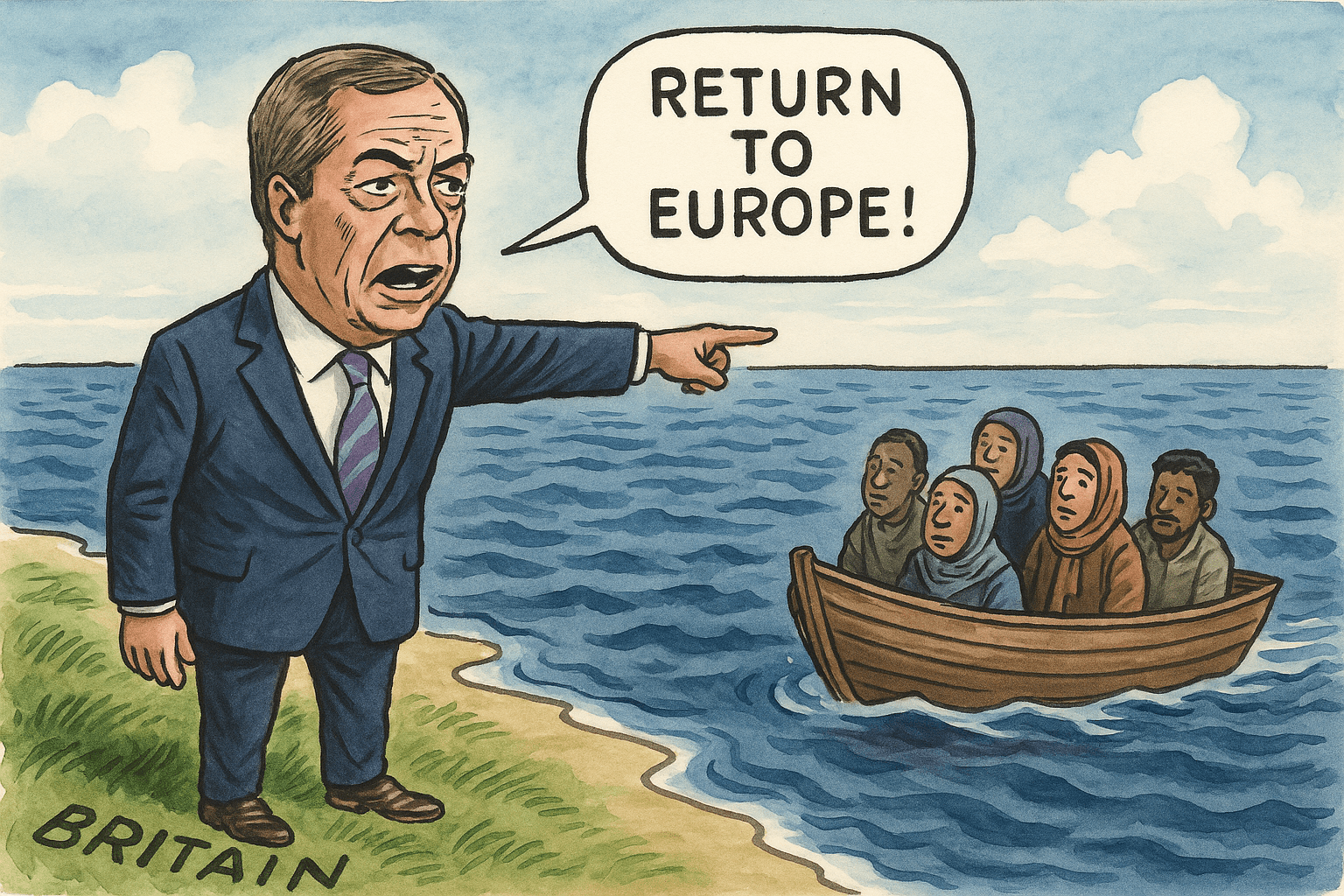
Every crisis deserves a prompt, and the far right is nothing if not punctual. Five men were arrested early on a Sunday near RAF Fairford, the Gloucestershire base from which US B-1 bombers have flown missions against Iran, after a local farmer noticed three white vans heading towards it. Bomb disposal robots trundled about the woods, and dozens of villagers were bundled out of their homes. Nigel Farage, meanwhile, had already left the building, intellectually speaking.

NATIONS, TRIBES, AND THE GRAMMAR OF EMPIRE: On why the Scots get a parliament and the Yoruba get an anthropologist By Lawson Akhigbe

Scotland has a parliament, a flag, a football team that loses with tremendous dignity, and roughly the population of Lagos’s Ikeja Local Government Area. The Yoruba nation and I use the word advisedly has an empire’s worth of history, a written and oral constitutional tradition running from Ile-Ife through the Oyo Mesi and the Alaafin’s checks and balances, a diaspora spanning three continents, and something in the region of forty million native speakers. One of these is routinely described in the Financial Times as a nation debating its constitutional future. The other is routinely described, by the same publication, as a tribe engaged in an ethnic dispute. I invite the reader to spot the empirical difference. I have been looking for thirty years and have found only prejudice wearing a monocle.

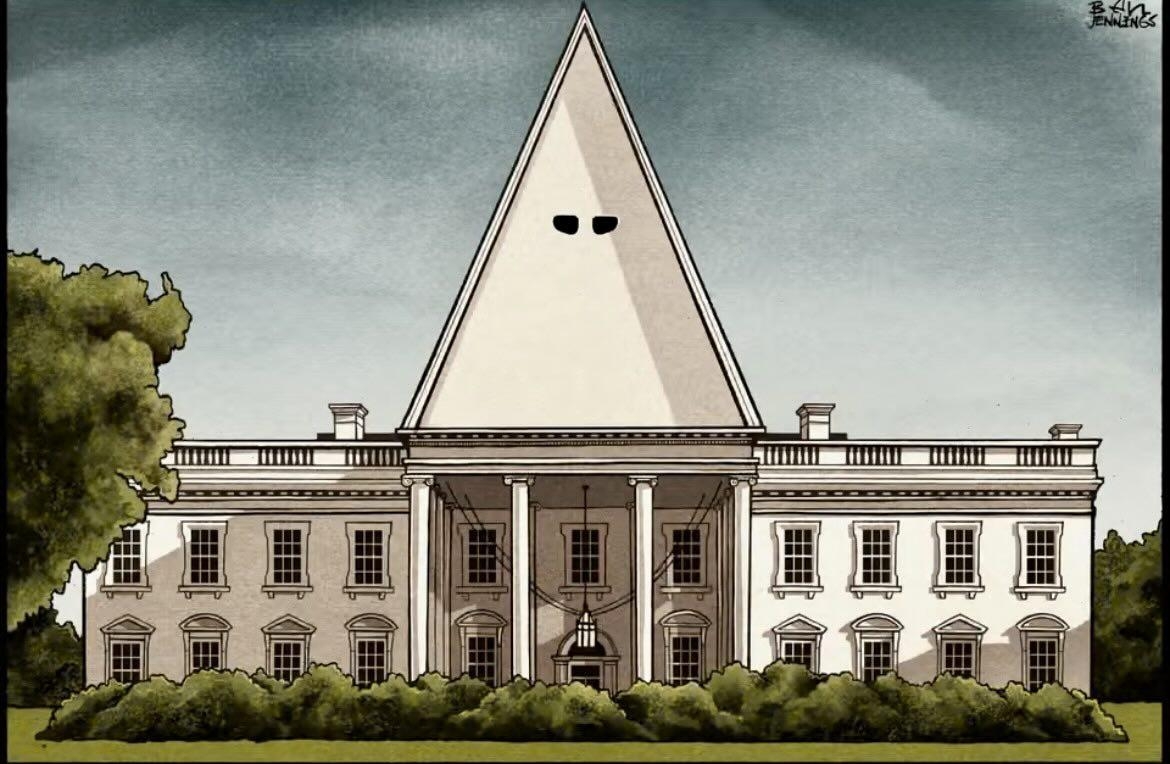
Same Shit, Different Hat: A Timeless Fashion Statement in Political Extremism by Lawson Akhigbe

Ah, the internet has done it again. While the rest of us are busy arguing over pineapple on pizza or whether socks with sandals constitute a war crime, some genius has distilled centuries of ideological garbage into one glorious, four-panel roast. Behold the meme that slaps you harder than your uncle at Thanksgiving: "Same Shit, Different Hat."