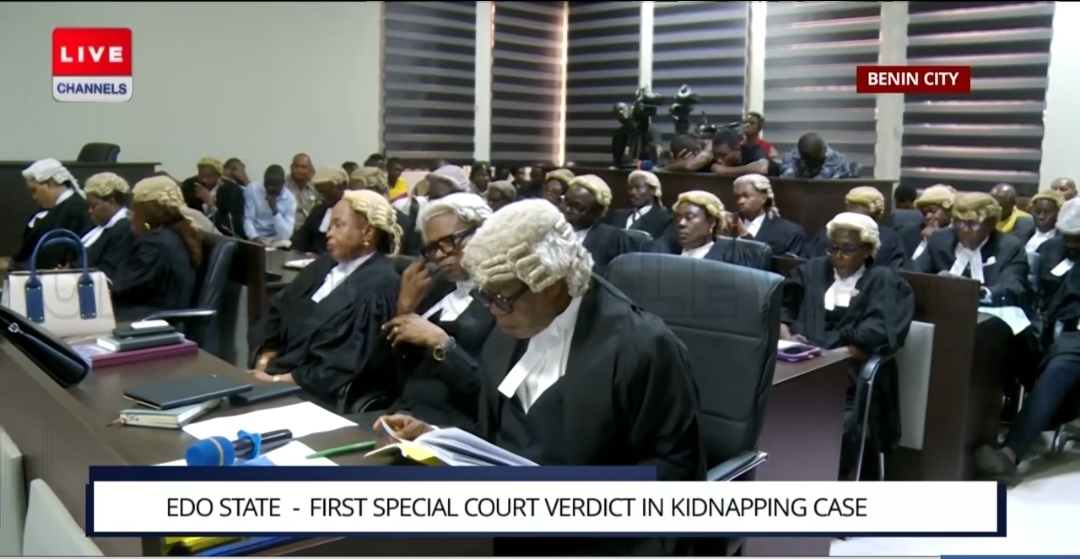
In Nigeria, the legal framework explicitly criminalizes the payment of ransoms to kidnappers or terrorists.
The Anatomy of Nigeria’s Kidnapping Industry by Lawson Akhigbe
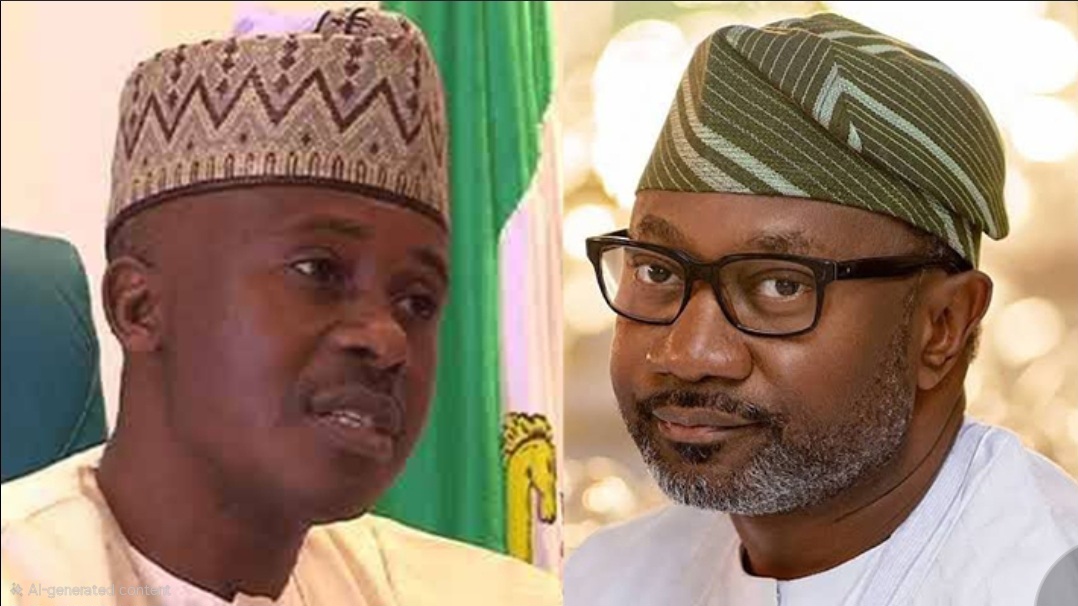
Dr. Hakeem Baba-Ahmed: "Last year, my nephew was kidnapped. That's my late sister's son, along with three other people. They went to a farm they had hired... and they were kidnapped just a few miles between Kaduna on the way to Kachia.
Trump’s con-artist history by Lawson Akhigbe
Trump’s business career has long been characterized as embodying “con-artist” tactics: aggressive promotion, leveraging his personal brand for high-margin or low-substance ventures, heavy debt leverage, selective truth-stretching in marketing, and frequent legal disputes.
Black Holes in the Public Purse by Lawson Akhigbe
This is not an isolated comedy of errors. It is a textbook illustration of the black holes deliberately engineered into Nigeria’s public finance architecture opaque pockets that swallow money, evade legislative eyes, and render executives unaccountable. The Bodija tranche is merely one shiny pebble in a vast, dark galaxy of special interventions, contingency advances, service-wide votes, ecological funds, security “emergency” deductions, and other discretionary vehicles that allow the executive to move (or park) billions with minimal sunlight.
Wike’s political patronage history by Lawson Akhigbe
Nyesom Ezenwo Wike (born 1967), a Nigerian lawyer and politician from the Ikwerre ethnic group in Rivers State, exemplifies the dynamics of political patronage, godfatherism, loyalty, and power consolidation in Nigeria’s Fourth Republic. His career trajectory, from local government chairman to state governor and federal minister, highlights how personal networks, resource control (especially oil-derived revenues), strategic alliances, and public confrontations shape Nigerian politics.