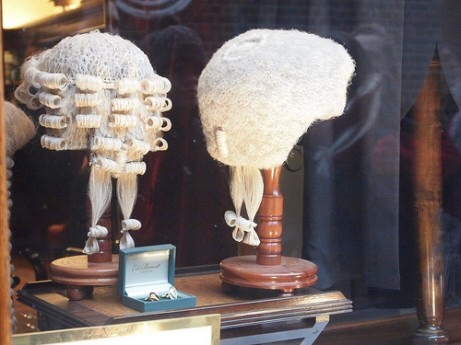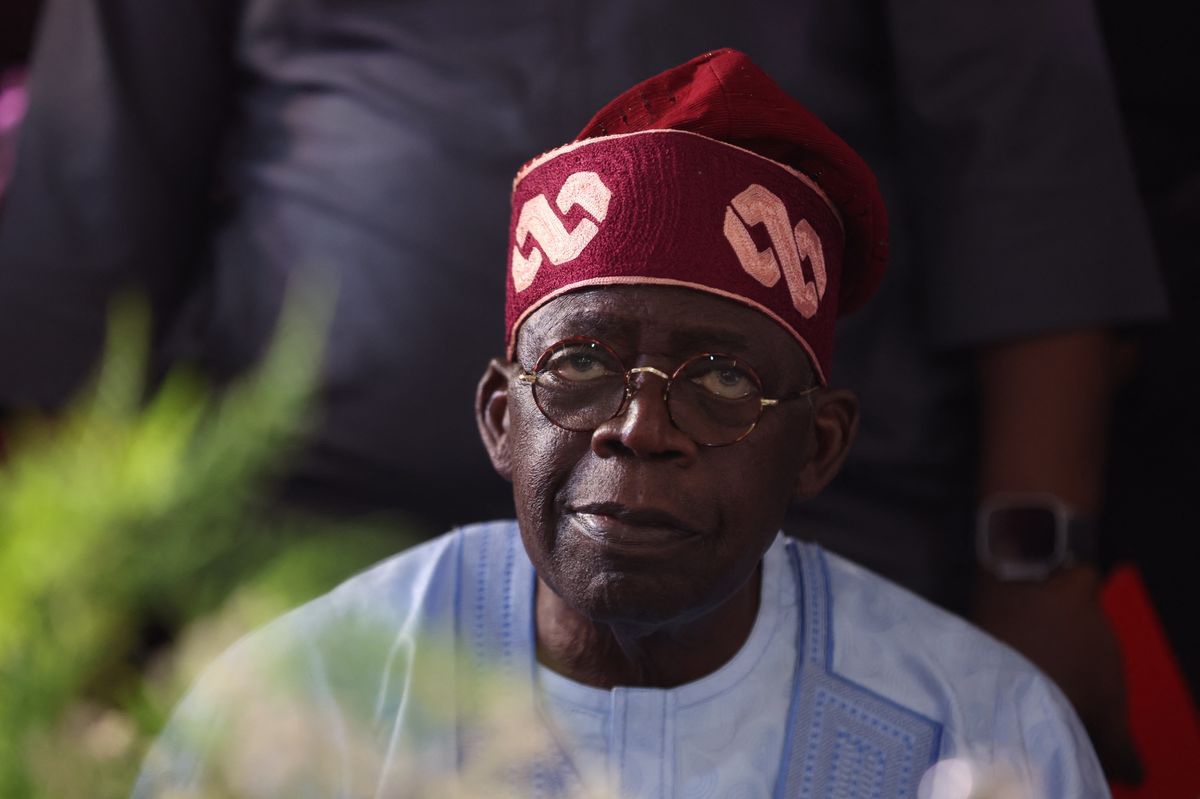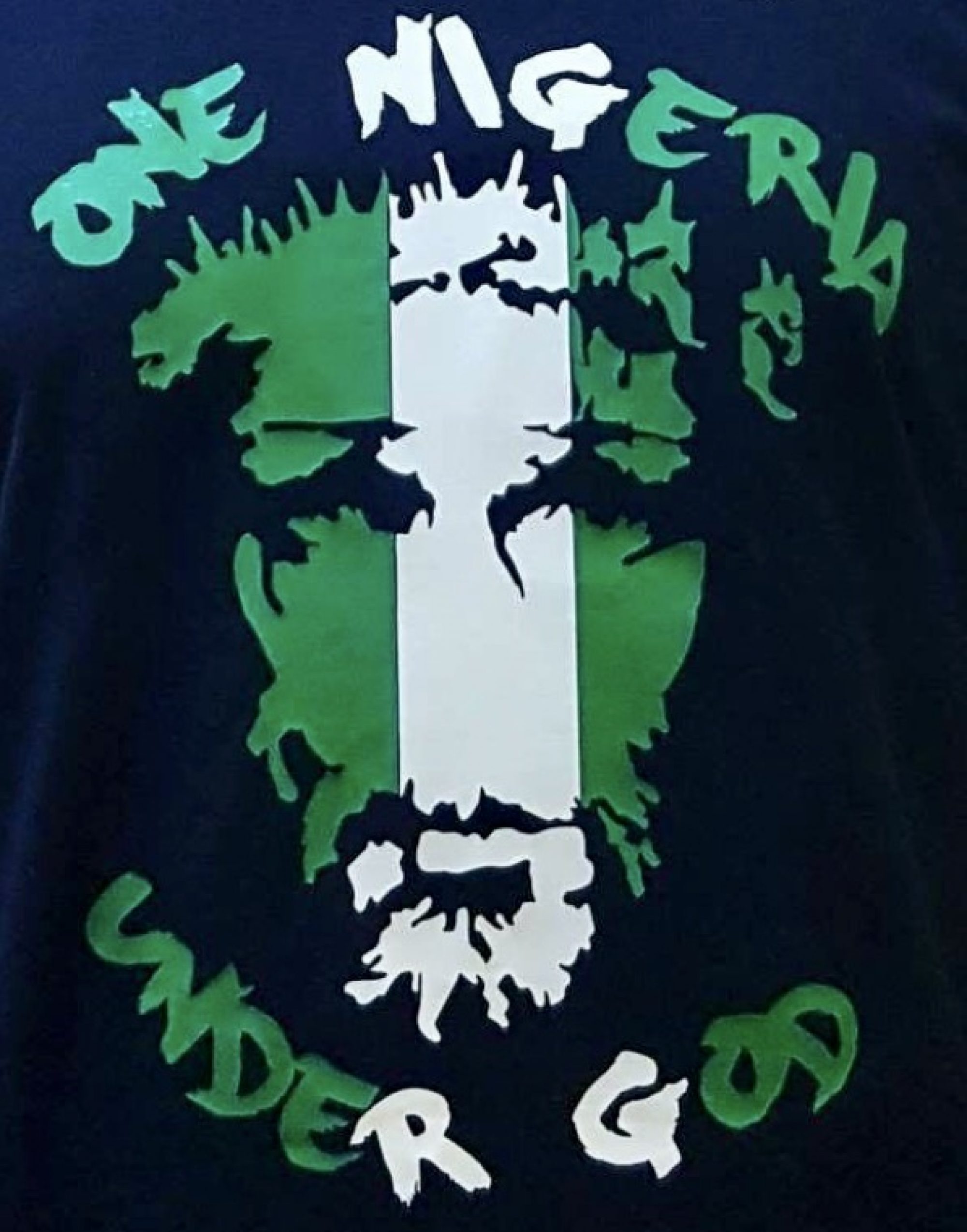

There is a joke that never quite lands because it is too true to be funny: ask any group of ten Nigerian politicians what they studied, and at least four will answer “Law” before you’ve finished the question. This is not coincidence. It is architecture. From the moment Christopher Sapara Williams, the first indigenous Nigerian called to the English Bar in 1879, stepped off a boat from London into the churn of Lagos colonial politics, the country’s ruling class has treated the wig and gown less as professional attire and more as a passport. Herbert Macaulay wore it. Nnamdi Azikiwe wore it, figuratively, alongside his newspapers. Obafemi Awolowo wore it literally, and then wore the premiership of the Western Region on top. Nigeria did not simply produce lawyers who happened to enter politics. It built a pipeline, greased it, and has been feeding it ever since.
Do People Still Work In Offices? Rather Quaint
Would you rather work from an office or remotely? It's the post covid world and the dreams of Bill Gates when he created Windows. To decouple people from fixed spaces to flexible environments, together with covid and technology WFH is now how the world rolls.
Our YouTube Link
Nigeria’s Ideological Desert: When Politics Stopped Standing for Anything by Lawson Akhigbe
From Awolowo to Ahmadu Bello, Azikiwe to 1999, Nigeria travelled from ideological competition to a political marketplace where the loudest principle is often self-interest.
How to Rob a Bank and Get Hired as Head of Security: The Curious Case of Nigeria’s Oil by Historic Capital
Imagine waking up every morning to discover that your neighbor has kicked down your fence, siphoned your water tank, and hot-wired your generator. In most corners of the world, you’d call the authorities. But in the grand geopolitical theatre of Nigeria, there’s a much more inventive playbook: you write that neighbor a multi-billion-naira check and name them your Chief Security Officer.