Whether you are in your living room, a classroom, a place of worship, or just trying to navigate a highway without praying for divine intervention, lives are being lost to blood-thirsty bandits. Thomas Hobbes once described life in the state of nature as "short and brutish." If he were alive today, he’d probably look at Nigeria and say, "See? I told you so."
The Presidential Echo Chamber: From Buhari’s Attack Dogs to Tinubu’s Spin Doctors By Lawson Akhigbe
Daniel Bwala One of the easiest ways to understand a President is not to listen to his speeches. Listen to his spokesmen. A President’s spokesman is like a family portrait hanging in the living room. It may not be the President himself, but it tells you everything about the owner of the house. Spokesmen do …
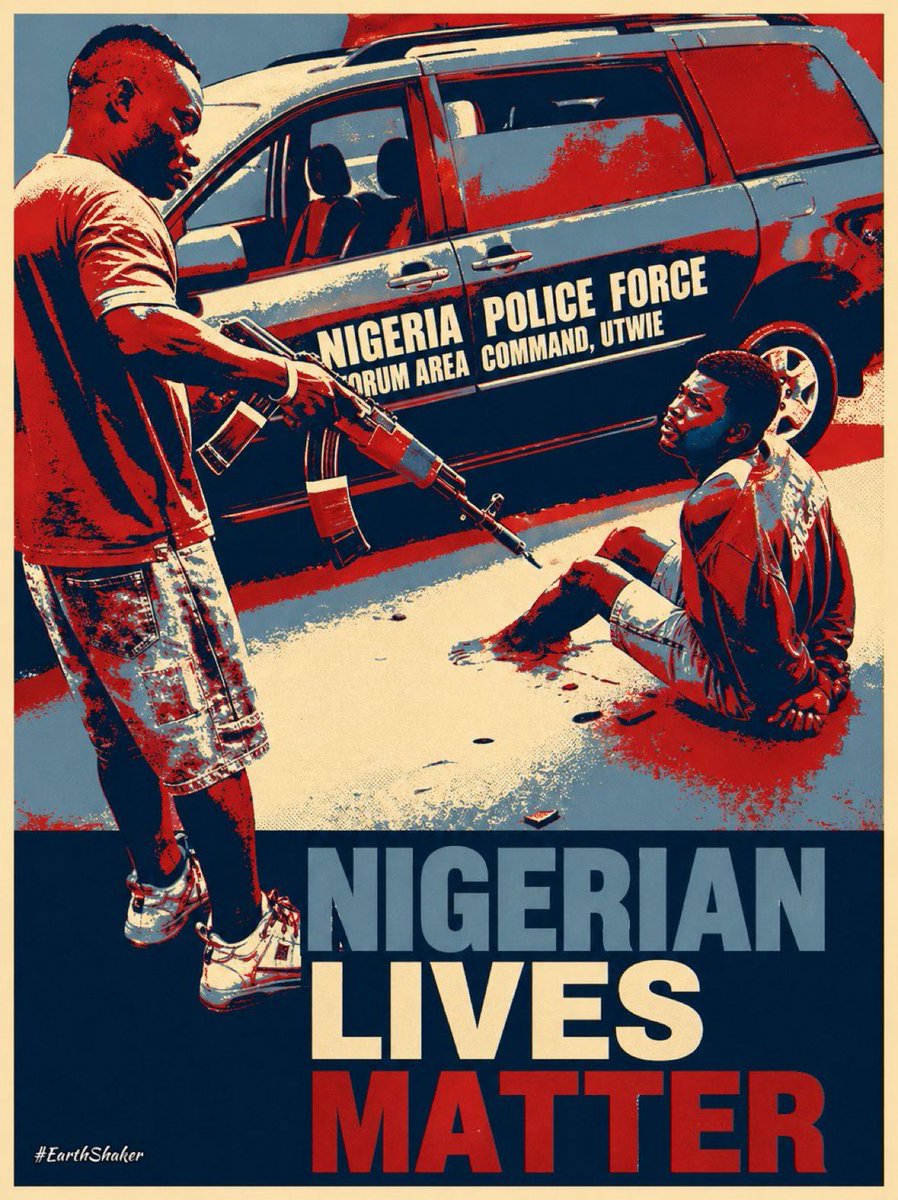
The Nigerian Police Force: A Colonial Machine That Never Changed by Lawson Akhigbe
To understand the modern Nigerian Police Force, one must first understand its origins. The uncomfortable truth is that the institution was never created to protect ordinary Nigerians. It was established to protect the interests of those who ruled Nigeria, first the British colonial administration and later the Nigerian political elite that inherited the colonial state.
The Art of the Political Seance: How to Deconstruct a Presidential Address by Lawson Akhigbe
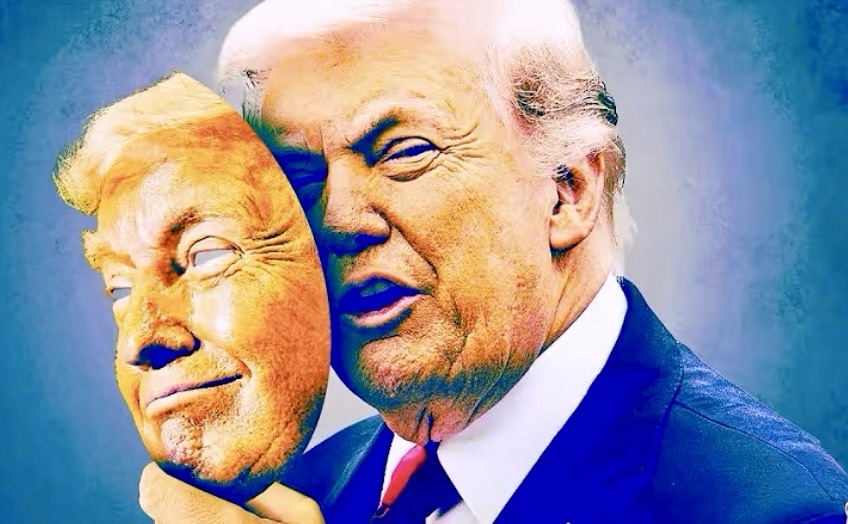
When Donald Trump took to the podium on July 16, 2026, he wasn’t just delivering a speech he was conducting a political seance, summoning ghosts of conspiracies past and layering them over a very meticulously curated reality.
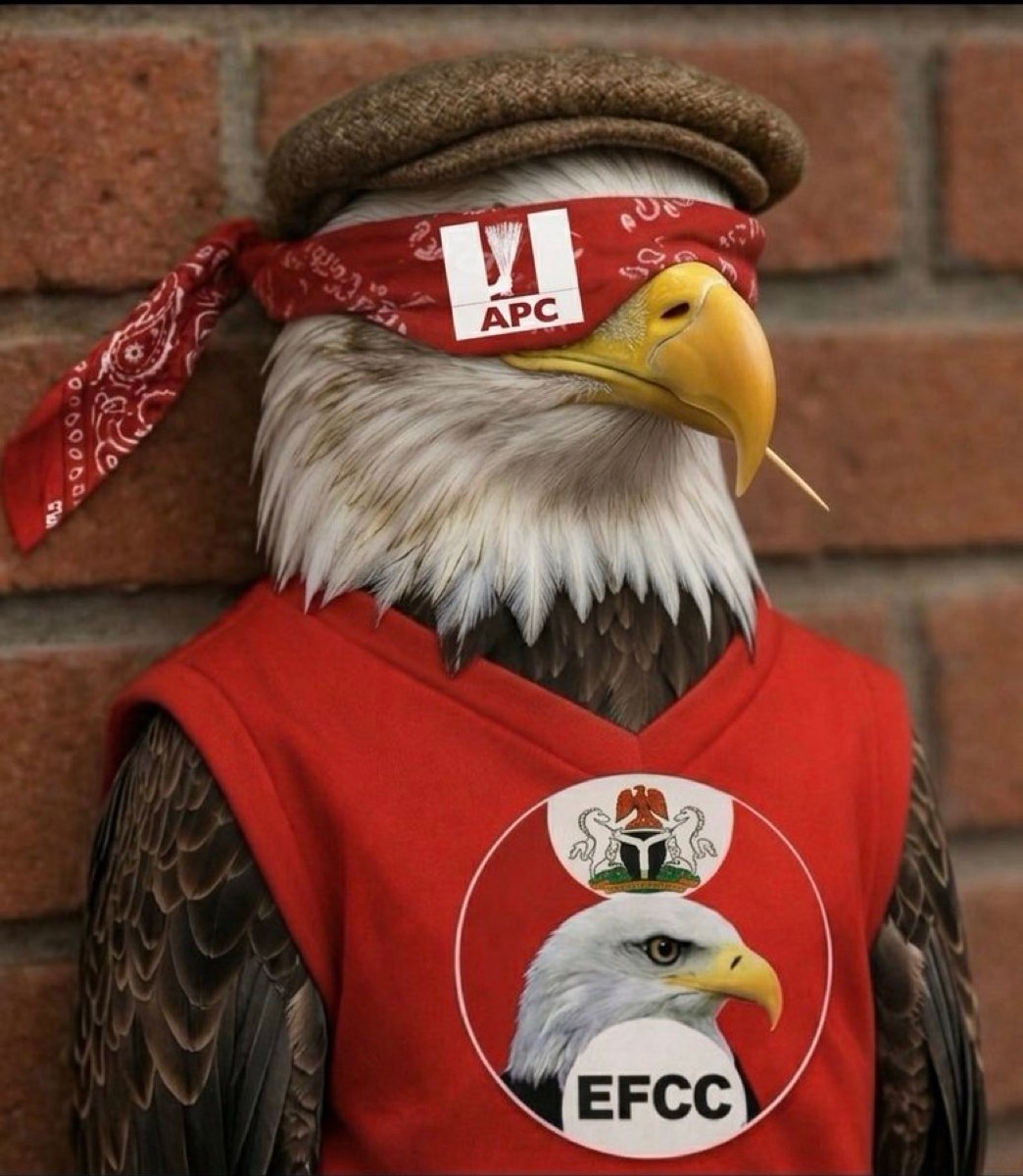
The EFCC’s Selective Deafness: When ‘Naira Abuse’ Meets Political Convenience by Lawson Akhigbe
Of course not. Tompolo did not fly to Abuja; Abuja knows better than to disturb the peace of Oporoza. In Tompolo's case, the EFCC suddenly discovered a highly sophisticated, deeply sensitive legal tool known as prosecutorial discretion. This is the common-sense power of law enforcement to say: "Yes, technically a rule was broken, but pursuing this would be silly, counterproductive, or trivial."