The UN’s top disarmament official expressed regret that weapons continued to fuel violence in communities long after wars ended, causing devastation across once peaceful communities.
Looted weapons from Libya found with Nigerian extremists – UN


Reporting News and opinions
The UN’s top disarmament official expressed regret that weapons continued to fuel violence in communities long after wars ended, causing devastation across once peaceful communities.
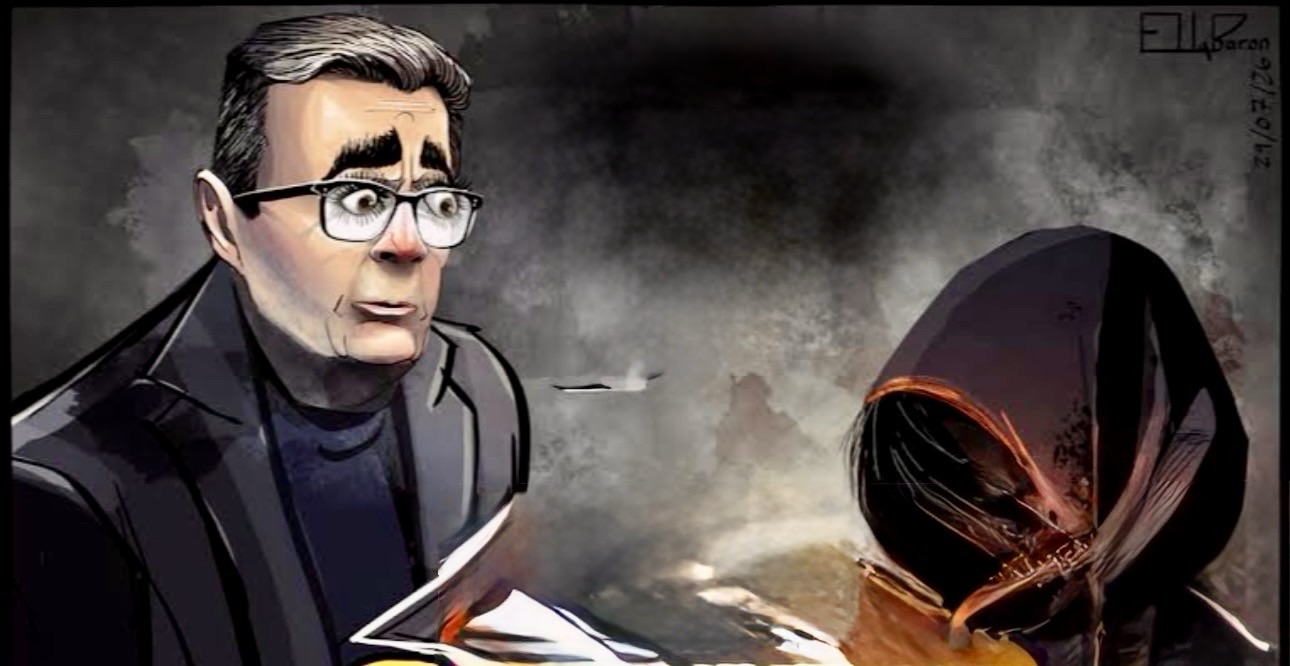
Andy Burnham did not inherit a government so much as a stage set. After years of mayoral apprenticeship in Greater Manchester, he arrived in Downing Street with a ready-made philosophy called “Manchesterism” and a clear preference for the photographable over the structural. The high-street crackdown is not an aberration. It is the strategy in miniature.

Ghana, our garrulous neighbour and perennial older-sibling-by-comparison, is not a rich country. Its currency has had its own well-documented indignities. Its unemployment figures would not shame anyone into silence at a dinner party in Lagos. And yet Ghana has not produced, at scale, the particular species of moral vacancy that Nigeria now exports more reliably than crude oil. The difference is not GDP. It is something closer to what economists, in their limited vocabulary, have no line item for: a poverty of the spirit, and it is this poverty, not the one in the spreadsheets, that is bankrupting the country in ways no IMF facility can restructure.

The greatest casualty of this failure has been grassroots democracy.

Africa and indeed, the Third World in general, suffers the affliction of leaders and tautologos. It is an epidemic of leaders who act like the sexually infirm. For this species of infirm male, when queried on why they cannot insert into the right hole, they boast of possessing the capability to make multiple insertion of threads into the barely visible hole of the needle, even in the dark. Were Tinubu to be tautologous in delivery of democratic dividends, it would have been more desirable than repetition of needless words.

