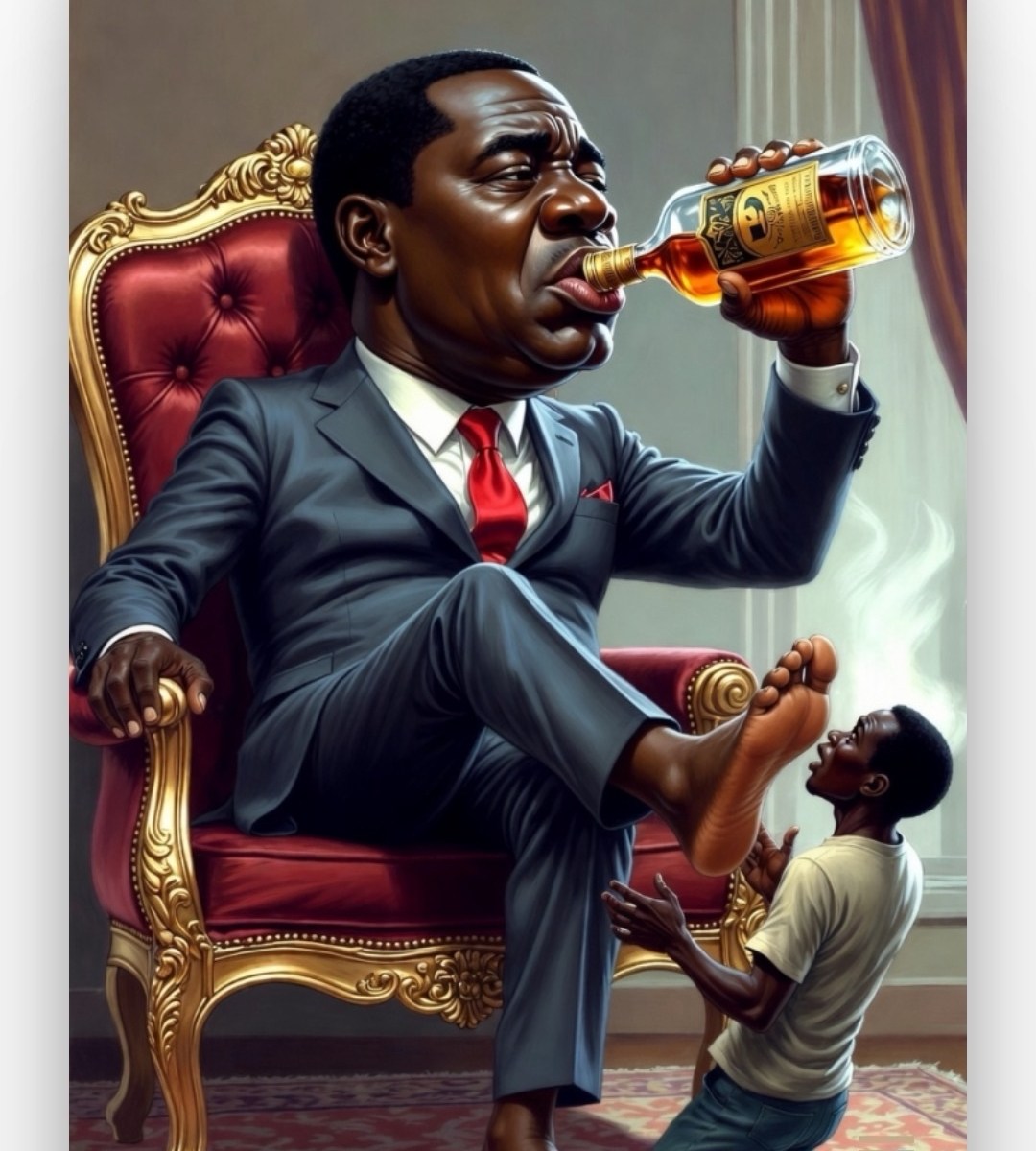
Nyesom Ezenwo Wike (born 1967), a Nigerian lawyer and politician from the Ikwerre ethnic group in Rivers State, exemplifies the dynamics of political patronage, godfatherism, loyalty, and power consolidation in Nigeria’s Fourth Republic. His career trajectory, from local government chairman to state governor and federal minister, highlights how personal networks, resource control (especially oil-derived revenues), strategic alliances, and public confrontations shape Nigerian politics.
Ponzi Loans and Politicians by Lawson Akhigbe
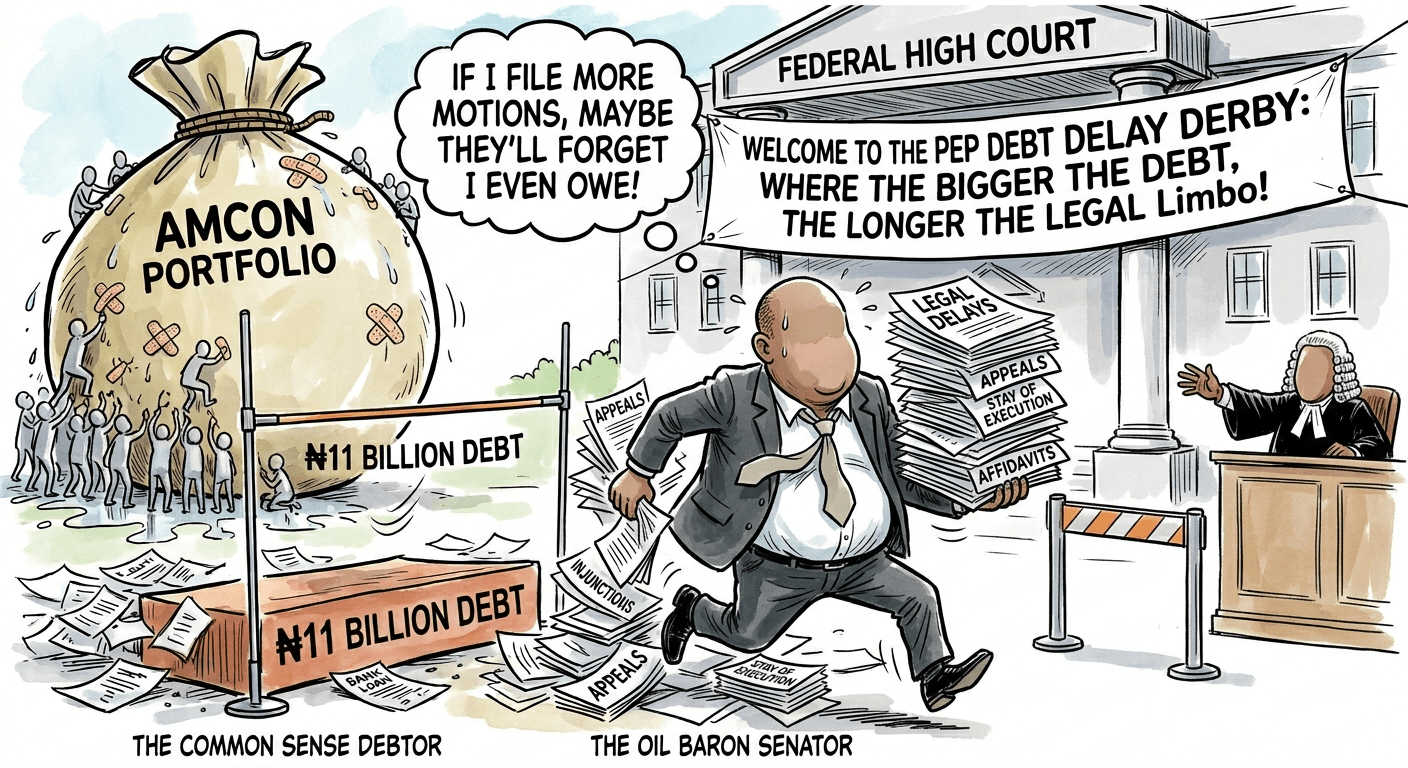
AMCON has repeatedly noted that a small number of high-profile obligors (often 300–400 individuals/entities) account for 70–80% of its outstanding portfolio (peaking around ₦4.5–5 trillion in various reports). Many of these involve politicians or their allied companies, where debts originated from pre-AMCON bank loans (e.g., Union Bank, Skye Bank facilities) that turned non-performing due to factors like margin lending, poor governance, or economic shocks.
Senator Debtor’s ‘Art of the Deal’: A 10-Step Guide to Evading AMCON Recoveries
Get the Loan. (This is the easy part). Preferably a large, multi-billion naira sum from a struggling bank. Use your political clout as collateral – it’s worth more than anything tangible!
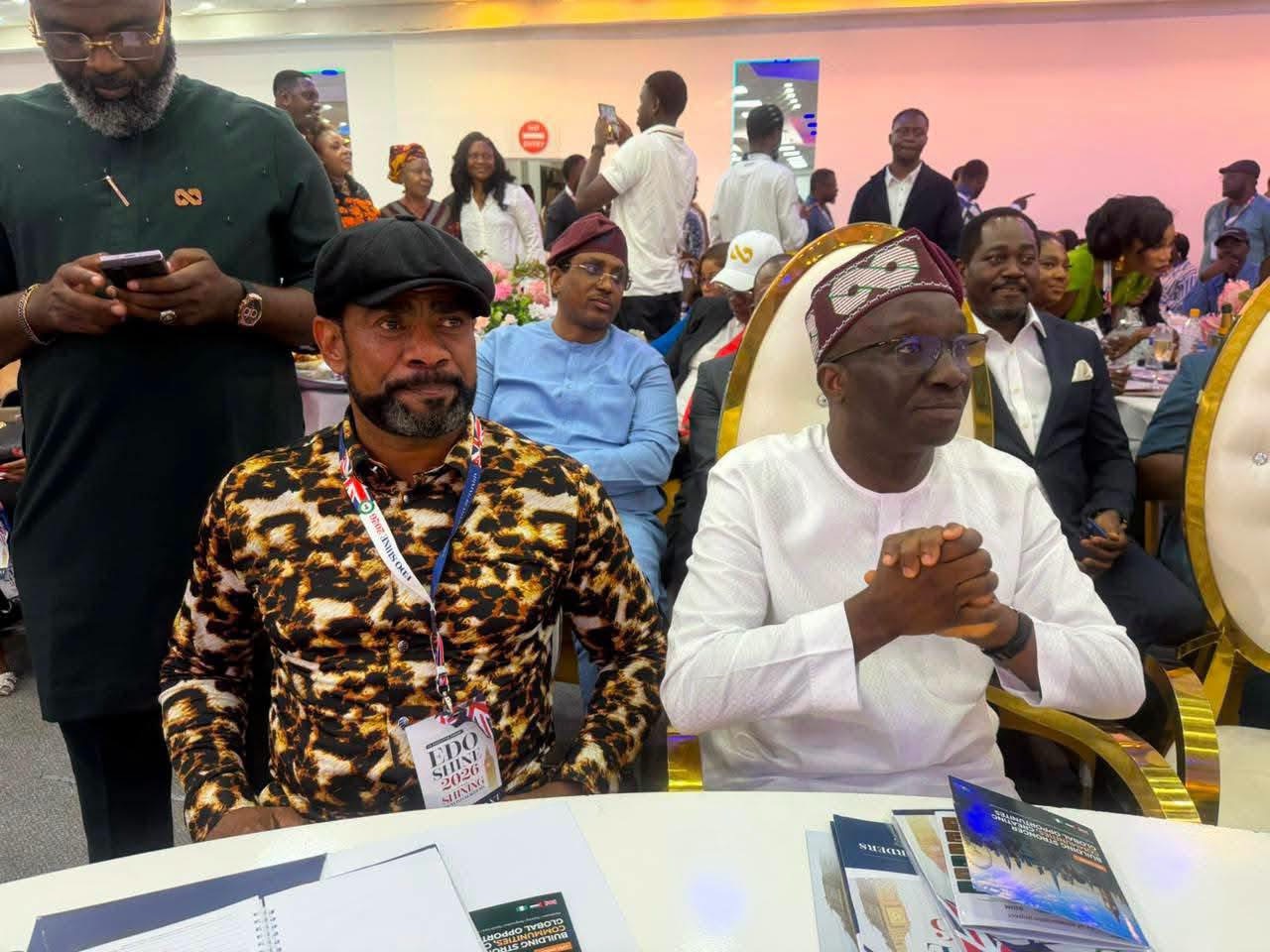
Government by Vibes: Governor Okpebholo’s London Roadshow and the Cost of Governing Without Institutions by Lawson Akhigbe
His administration, he argued, is practical rather than bureaucratic. It is interested in action, not process. The legacy programmes of his predecessor, Godwin Obaseki, have largely been dismantled. EdoBEST has gone. The Security Control Centre has gone. EdoGIS is going. Consultants have gone. Due process, one gathered, has become something to be viewed with suspicion rather than embraced as the machinery through which modern government functions.
Abacha-Era Corruption: A Deep Dive into Nigeria’s Most Notorious Kleptocracy (1993–1998) by Lawson Akhigbe
This was enabled by authoritarian control: no independent legislature or judiciary, weak oversight, and a patronage network treating public coffers as extensions of personal or regime power. International complicity—lax due diligence by banks—facilitated laundering through U.S. institutions and bond deals.