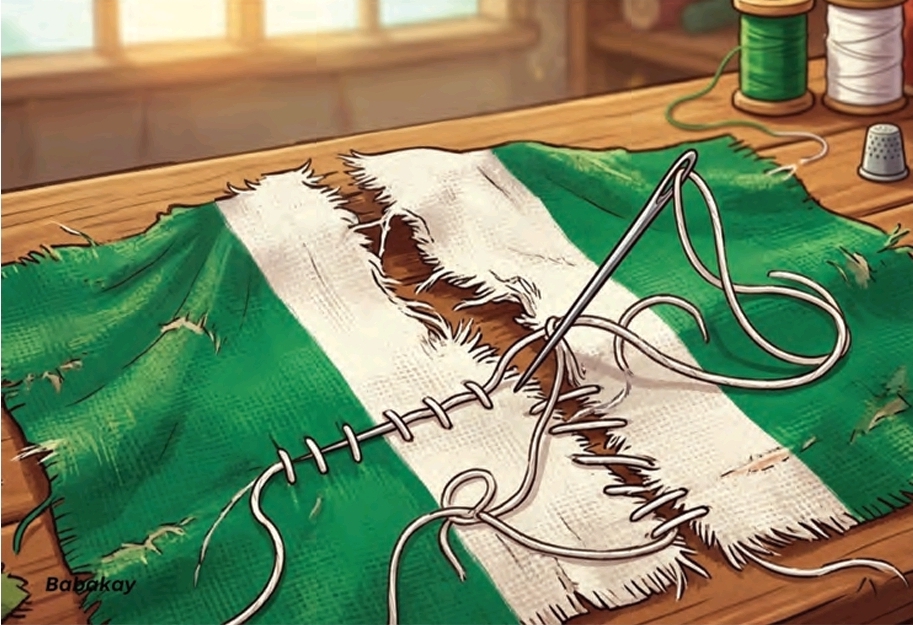
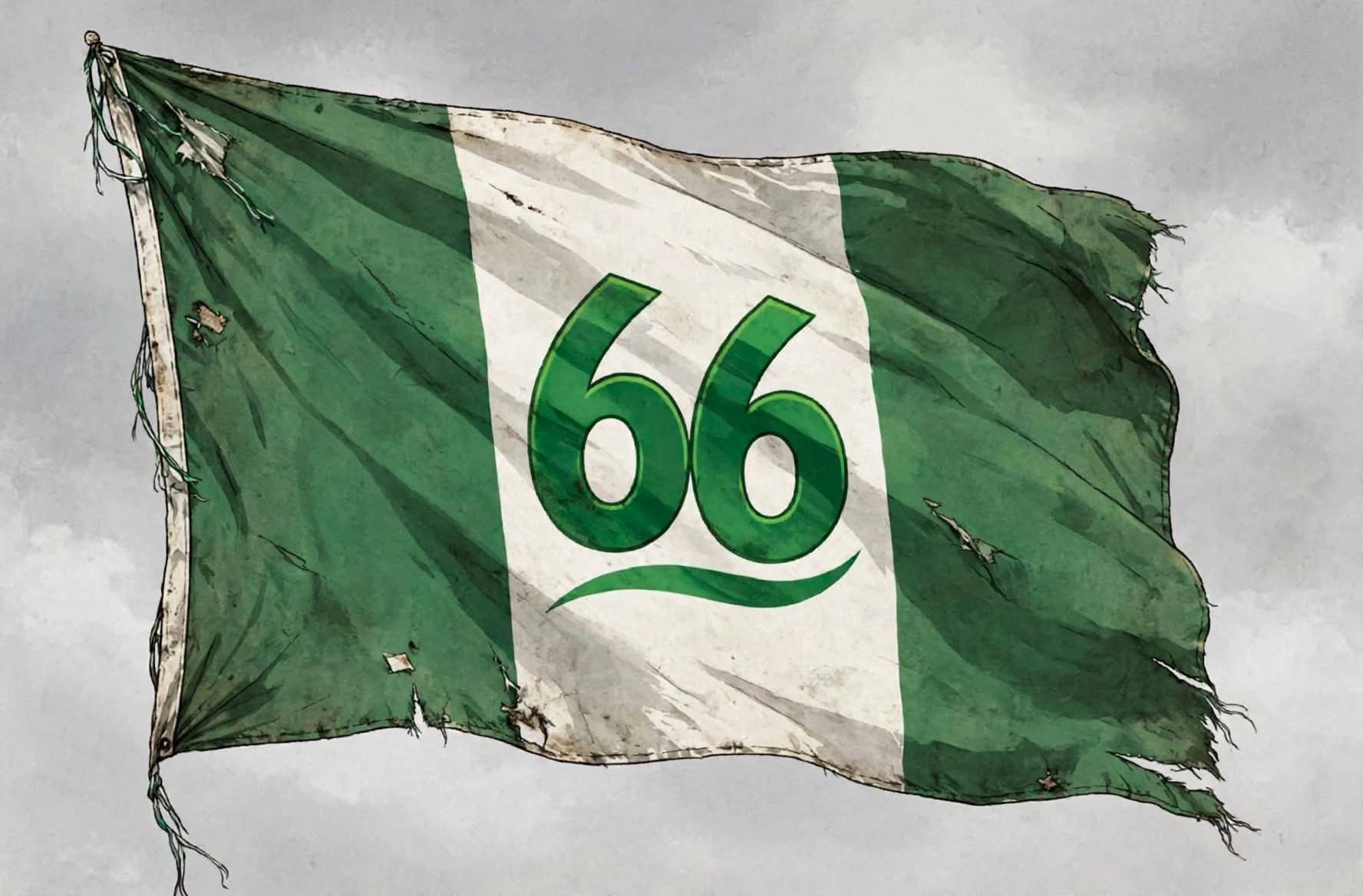
Nigeria turns 66 today, and the mood is not celebratory. Sixty-six years is long enough for a nation to have settled into itself. This one still feels suspended between promise and disappointment.
How Ghost Ships Emptied Nigeria’s Treasury (And Why You’re Still Paying the Fare in 2026)
You think petrol became expensive in 2026? Cute. It actually became expensive the day Nigeria’s political class realised they could sell you empty air, stamp a piece of paper “premium motor spirit,” and cash the cheque at the Central Bank. The most elegant example remains the MT Emerald.
Nigeria at 66: When a 1983 Coup Speech Still Sounds Like Today By Lawson Akhigbe
As Nigeria prepares to mark another Independence Day on 1 October, I have been reading a speech delivered on 31 December 1983 by a young Brigadier, Sani Abacha, announcing the overthrow of the democratically elected government of President Shehu Shagari.
More Catholic Than the Pope: Soludo, Umahi and the Strange Obsession with Peter Obi by Lawson Akhigbe
There is a striking political phenomenon in Nigerian politics: the convert can sometimes become more zealous than those who were never required to convert.
When Shell Companies, Bribes and Billion-Dollar Fantasies Meet Nigerian Bureaucracy: Lessons from P&ID (and a Cheer for Mambilla) by Lawson Akhigbe
In the grand theatre of Nigerian public life, where contracts are signed with the solemnity of wedding vows and then abandoned with the enthusiasm of a jilted lover, few dramas have rivalled the Federal Republic of Nigeria v Process & Industrial Developments Ltd saga. The 2020 English High Court decision ([2020] EWHC 2379 (Comm)) was merely the intermission. The full production, complete with bribes, perjury and a near-$11 billion bill, only reached its denouement years later. Yet that September 2020 judgment by Sir Ross Cranston remains the pivotal moment when Nigeria was allowed, against all the usual arbitration orthodoxy of finality and speed, to drag the whole rotten affair into the light.