Terrorists Should Not Be Given a Broadcast Licence by Lawson Akhigbe

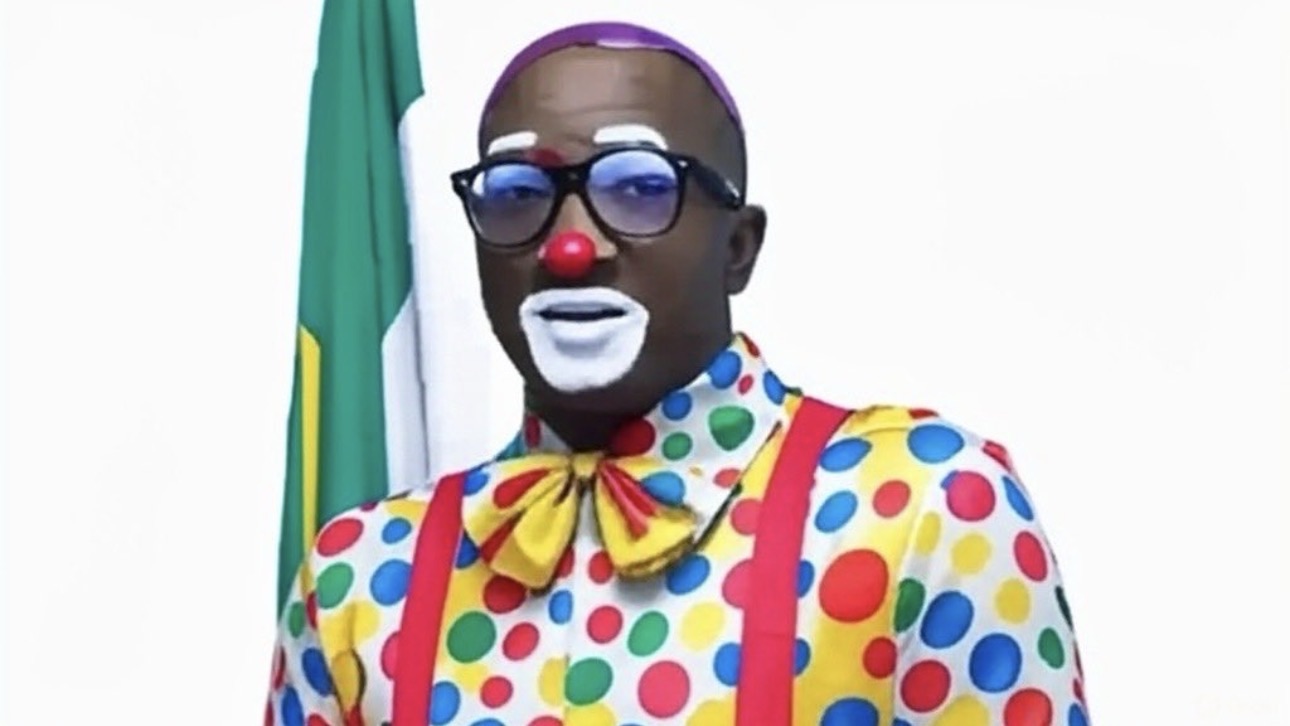
At the height of the Troubles in Northern Ireland, the British government imposed restrictions on the direct broadcast of the voices of leading members of the Irish Republican Army (IRA) and associated organisations. Most notably, the BBC and other broadcasters were prohibited from airing the voices of figures such as Gerry Adams, then president of Sinn Féin, which was widely regarded as the political wing of the IRA. Television stations resorted to using actors’ voices to relay statements instead.

The Anatomy of a Rigged Election: Rivers State, Electoral Legitimacy and the Dangerous Silence After the Ballot By Lawson Akhigbe

The BBC reviewed results from more than 6,000 polling stations in Rivers State. Its investigation found that the polling-unit figures it could obtain suggested that Obi had won the state by a substantial margin. The BBC also reported that Tinubu’s official declared total was more than 106,000 votes higher than its polling-station tally, while Obi’s official figure was more than 50,000 lower. 

Fuel’s Gold: Why Governor Monday Okpebholo Thinks Your Empty Wallet is a Luxury Vacation by Lawson Akhigbe

Gather round, petrol-pump poets and economic visionaries, because Governor Monday Okpebholo has unlocked a geopolitical cheat code that will leave Nobel Prize-winning economists weeping into their calculators.

The Art of the Bare Minimum: Why Nigeria’s Certificate Wars Always End in Judicial Tears by Lawson Akhigbe

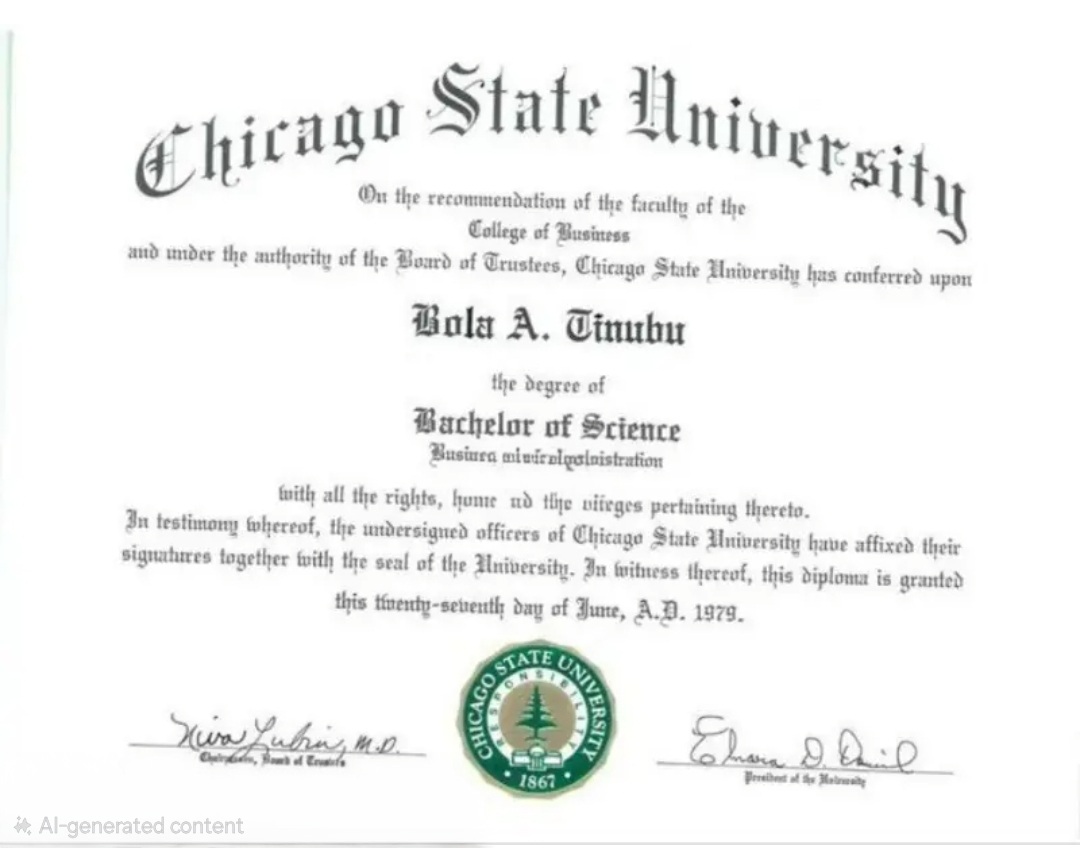
Armed with high-resolution scanners, magnifying glasses, and a fresh grievance, politicians comb through the educational credentials of their opponents. They obsess over font kerning, faint seals, and misaligned margins, convinced that somewhere between a crooked signature and an unreadable stamp lies the ultimate prize: getting the Supreme Court to invalidate millions of votes before lunch.

Nyesom Wike: Clear and Present Danger to our Democracy by Lawson Akhigbe

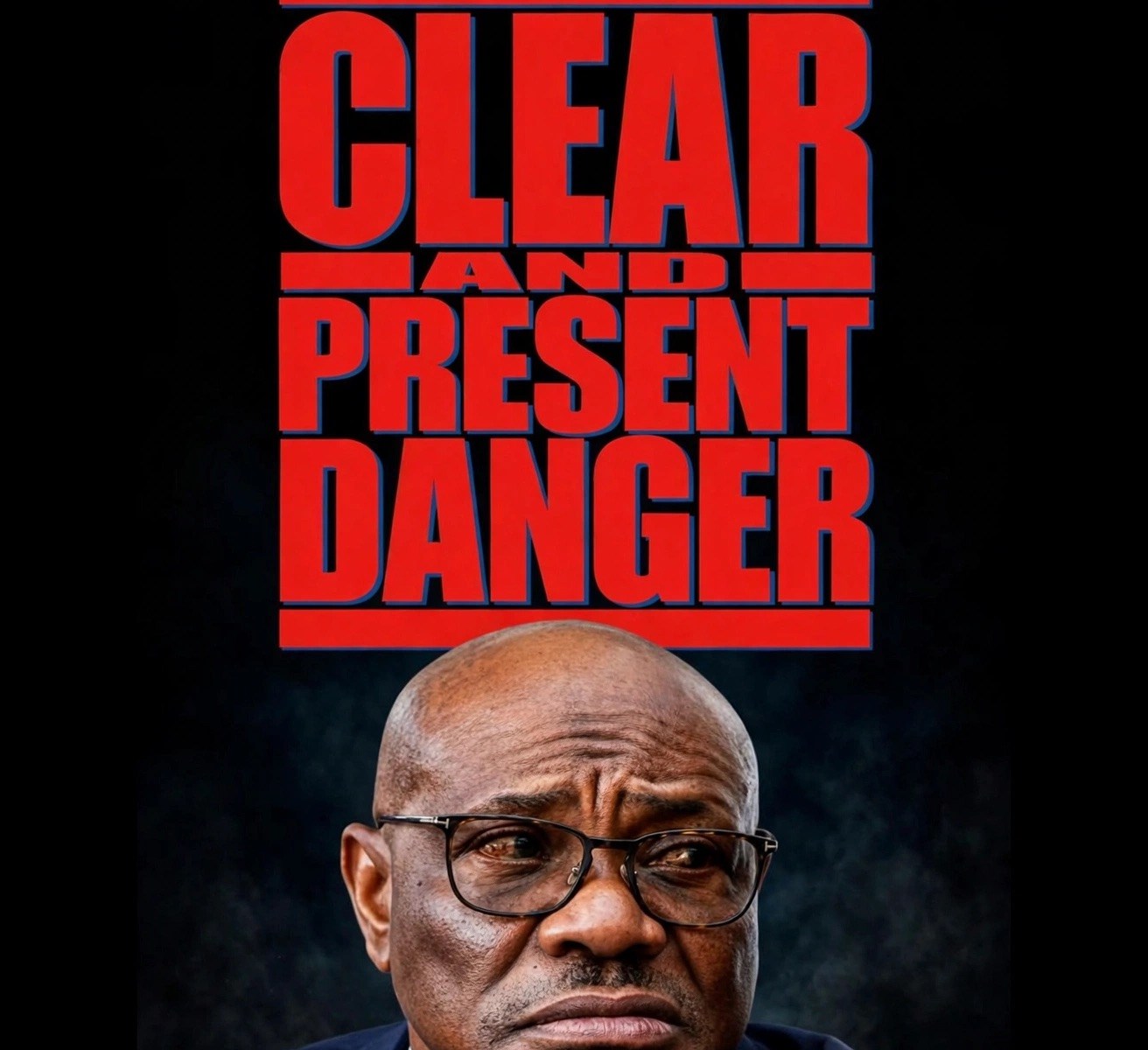
Nyesom Wike is no longer merely a powerful Nigerian politician with an unusually large appetite for political combat. He has become a test of whether Nigeria’s democratic institutions are strong enough to restrain an individual who appears increasingly convinced that power itself is the ultimate justification.