There is a brutally efficient African proverb that cuts through political spin faster than a devaluation memo: When the wind blows, the chicken’s anus is exposed.
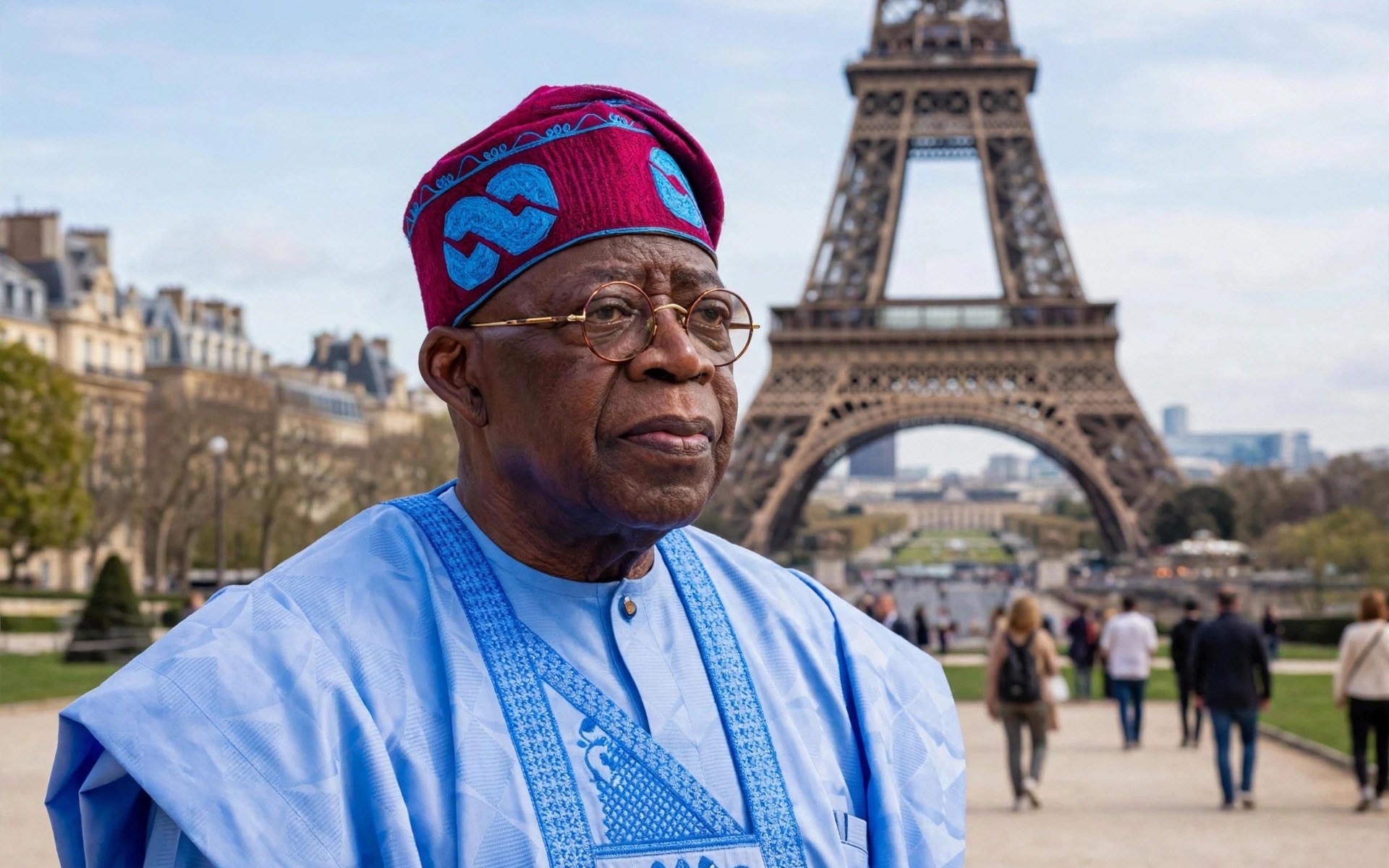
The Monumental Ego: How Trump and Tinubu Turn Public Infrastructure Into Personal Billboards By Lawson Akhigbe
There was a time when nations had the decency to wait until a leader was safely six feet under or at the very least, out of office before plastering their name across state infrastructure. The unspoken rule of public memorials used to be simple: let history render its verdict first. If your legacy survived the passage of time without decaying into scandal, perhaps the state would name a secondary school or a modest bypass after you.
A Tale of Two Locations and One Citizenship by Lawson Akhigbe
Passports are supposed to be the great equalizers of national identity. If two people carry the green-backed book stamped with the Nigerian coat of arms, the constitution insists they share the exact same claim to fundamental dignity and justice. But citizenship, like roaming data on a prepaid SIM, appears to depend entirely on which borders your passport happens to cross.
Burnham’s Strategy: Manchesterism Meets the Politics of Looking Busy
Andy Burnham did not inherit a government so much as a stage set. After years of mayoral apprenticeship in Greater Manchester, he arrived in Downing Street with a ready-made philosophy called “Manchesterism” and a clear preference for the photographable over the structural. The high-street crackdown is not an aberration. It is the strategy in miniature.
The Poverty We Do Not Count: Notes on a Nigerian Spirit in Recession by Lawson Akhigbe
Ghana, our garrulous neighbour and perennial older-sibling-by-comparison, is not a rich country. Its currency has had its own well-documented indignities. Its unemployment figures would not shame anyone into silence at a dinner party in Lagos. And yet Ghana has not produced, at scale, the particular species of moral vacancy that Nigeria now exports more reliably than crude oil. The difference is not GDP. It is something closer to what economists, in their limited vocabulary, have no line item for: a poverty of the spirit, and it is this poverty, not the one in the spreadsheets, that is bankrupting the country in ways no IMF facility can restructure.