Remember six months ago when the Edo State government decided it was moonlight-and-magic time for law enforcement? With the flourish of a decree and a fanfare that probably woke up the entire length of Akpakpava Road, officials announced that every single business in Benin City must install closed-circuit television (CCTV).
Tinubu’s Political Consolidation: A Democratic Abacha? By Lawson Akhigbe
President Tinubu has inherited a constitutional system in which political parties are legally entitled to compete, governors possess electoral mandates, and opposition parties can challenge the government without seeking permission from the president. These are fundamental differences between the Fourth Republic and Abacha’s military dictatorship.
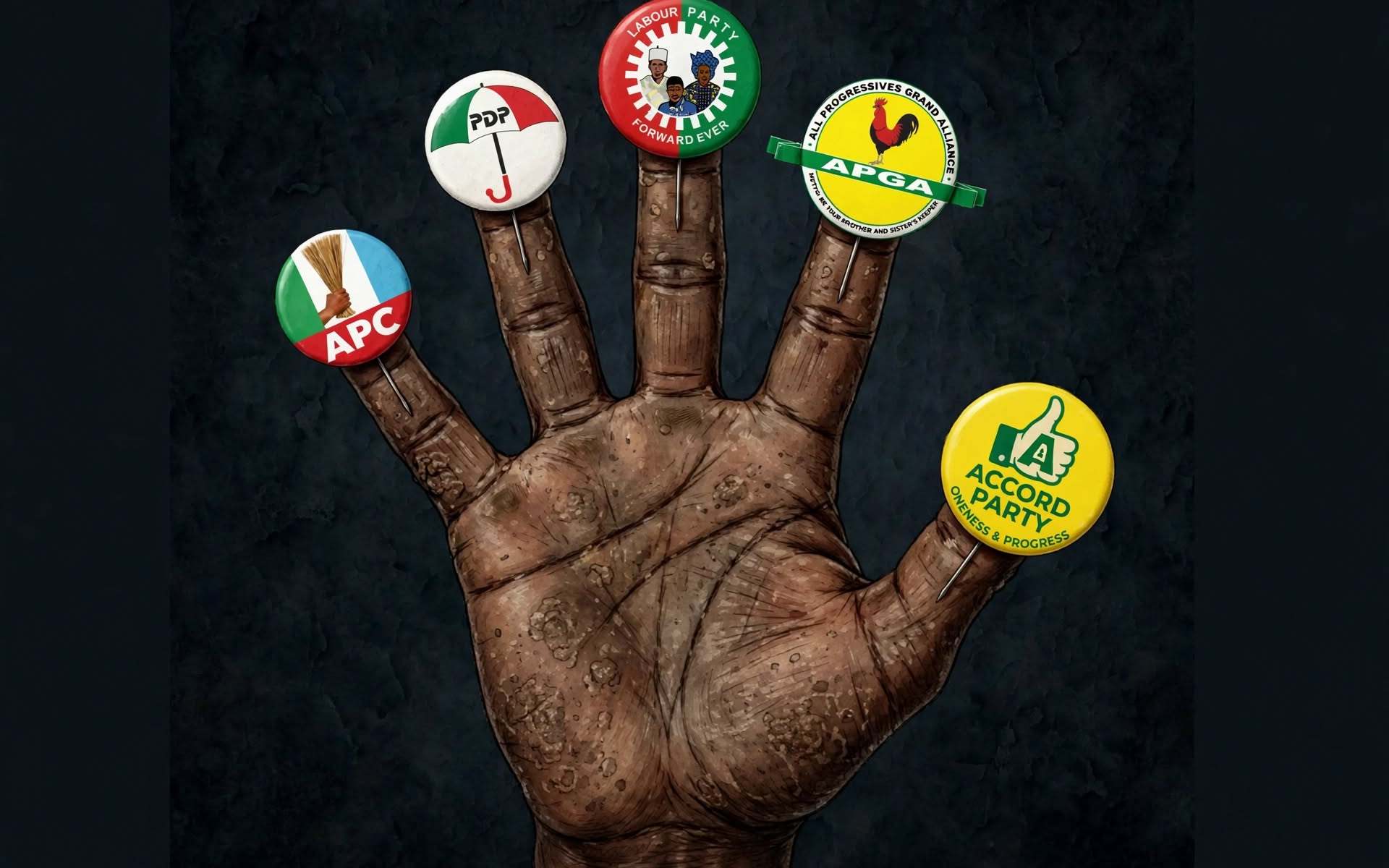
The Five Fingers of a Leprosy Hand: From Abacha’s Ambition to Tinubu’s Politics of Political Capture By Lawson Akhigbe
Nigeria has seen this political movie before. The costumes have changed, the actors have acquired new titles, and the language of justification has become more sophisticated. But beneath the democratic vocabulary lies a familiar ambition: the concentration of political power in the hands of one man, the weakening of opposition, and the conversion of a multiparty democracy into a political arrangement in which everybody is expected to agree with the president.
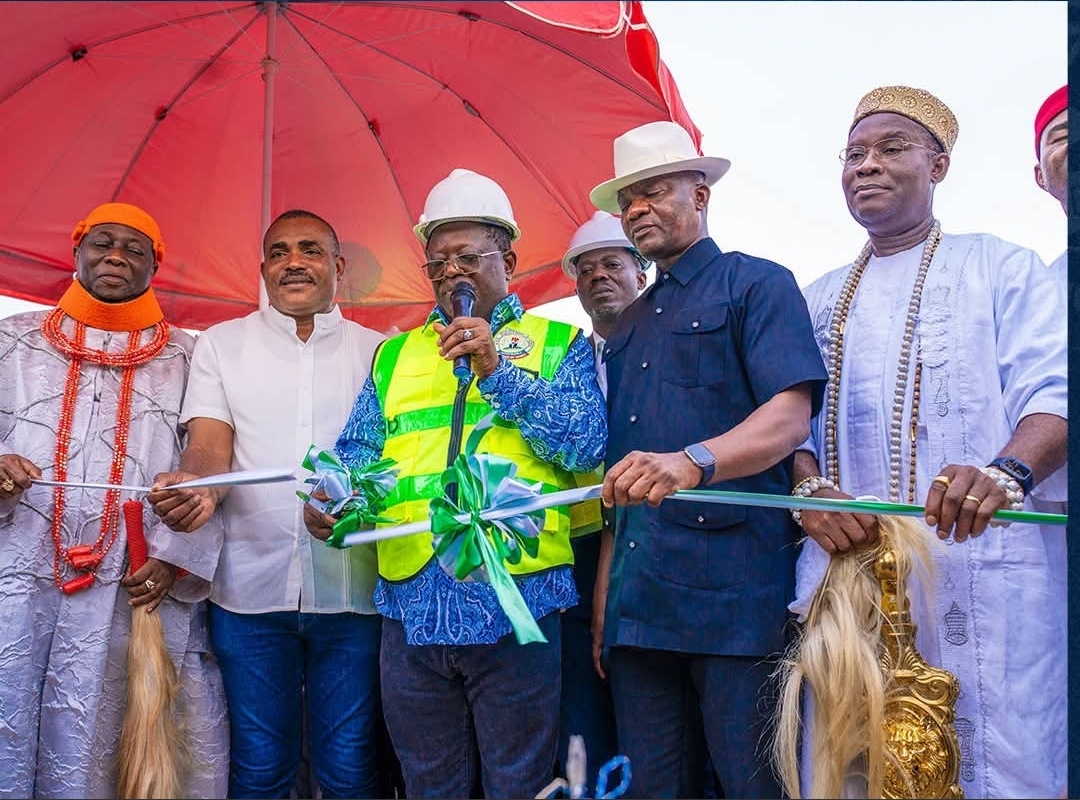
David Umahi’s Bridge to State Capture: Christian Prayers, Tinubu’s Portraits and the Privatisation of Public Power By Lawson Akhigbe
The First Niger Bridge belongs to Nigeria. It does not belong to David Umahi, Bola Tinubu, the All Progressives Congress or any religious congregation.
Why the Apostles of Awo Went to Dodan Barracks: A Case Study in Mistaking a Trojan Horse for a Taxi
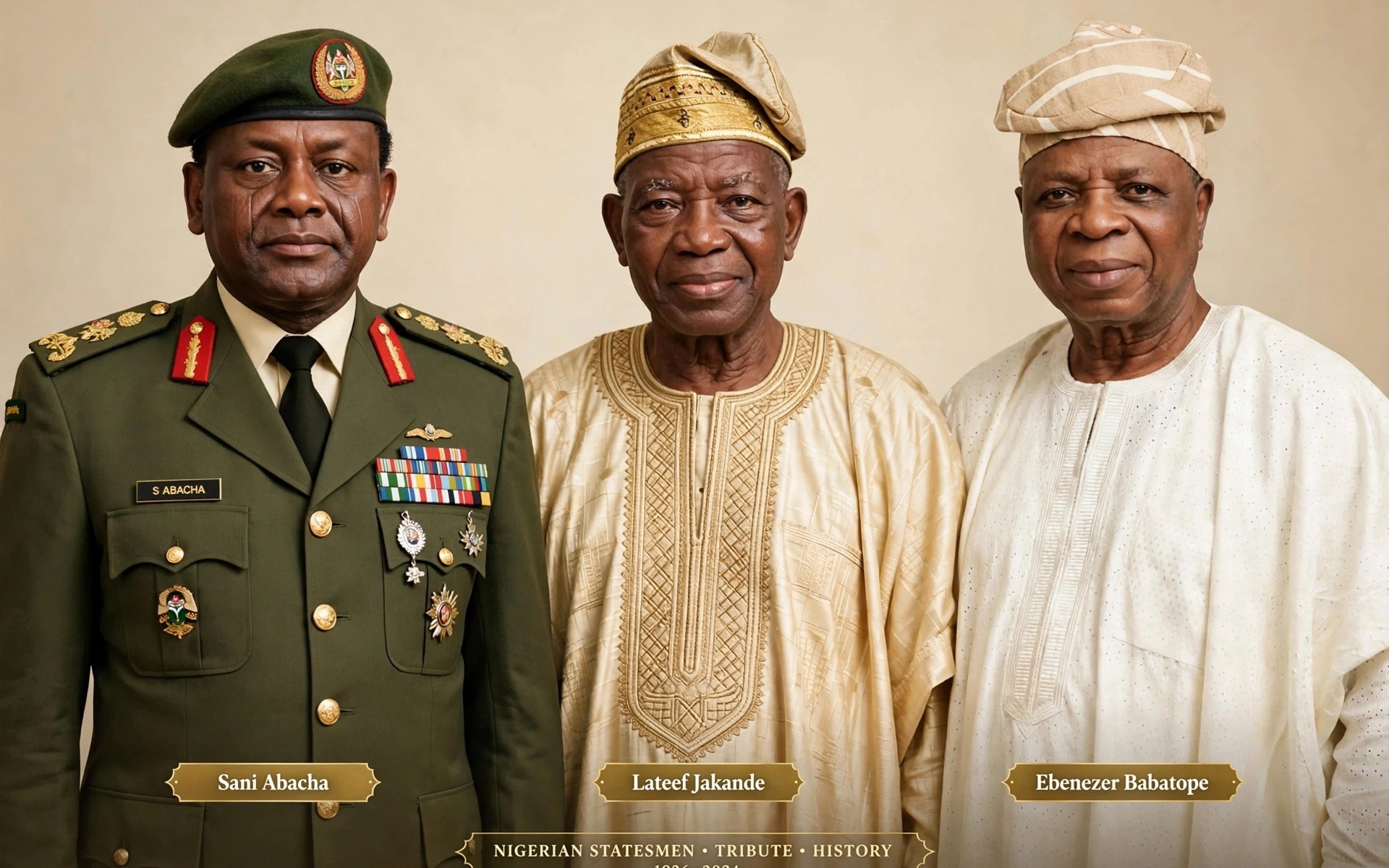
Every faith has its parable of the believer who walks into the wrong building. For Awoism, a doctrine built on discipline, planning and a near-liturgical suspicion of the Nigerian military, the parable arrived in November 1993. General Sani Abacha forced Ernest Shonekan to resign on 17 November 1993 and took over as head of state, and within days the high priests of the progressive tradition were queuing for ministerial briefs.