In 1925, while Britain was still recovering from one war and quietly preparing for the next, its legislators decided that land law had become an expensive medieval farce. The result was a cluster of statutes, most notably the Land Registration Act 1925, working in tandem with the Law of Property Act 1925, that performed a quiet but decisive act of administrative hygiene. They did not nationalise the soil. They did not turn every landowner into a tenant of the state. They simply made the register the master of the title, and the process of dealing with land a matter of bureaucracy rather than political favour or ancestral archaeology.
The Ghost Who Keeps Signing by Lawson Akhigbe
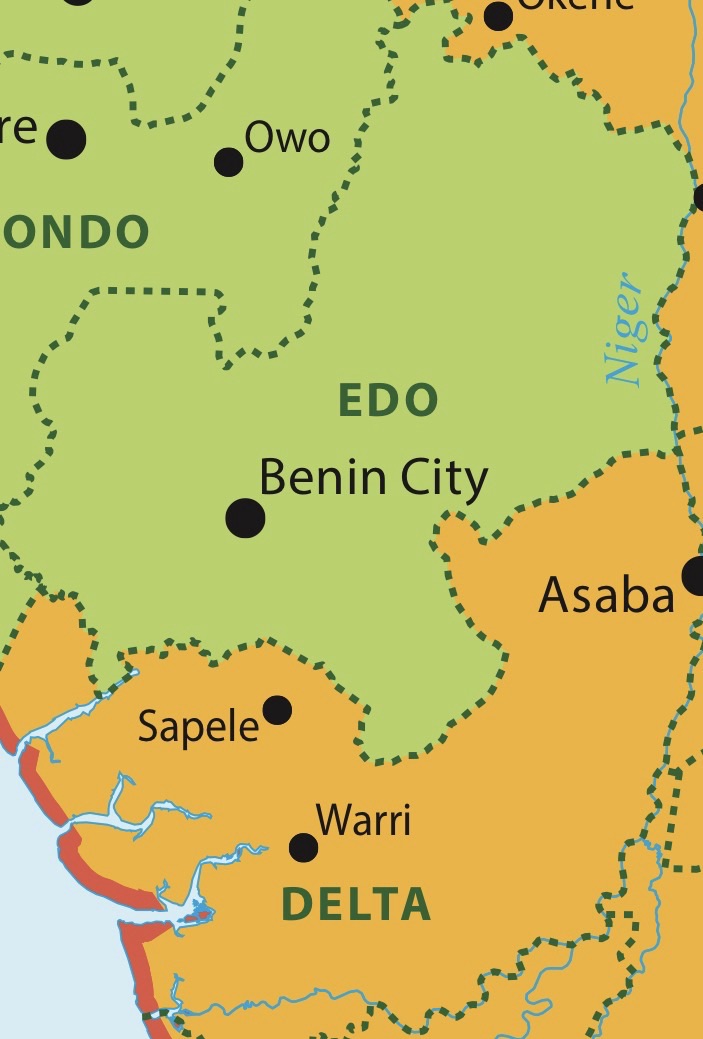
The Land Use Act of 1978 vested radical title to land in the state governor. Customary authorities were meant to operate within that framework, not around it. Yet when the formal system becomes a source of frustration rather than facilitation, human ingenuity finds other routes. Enter the late Oba. His name carries historical weight. The palace, however, maintains no functional modern archive capable of systematic verification. Oral history is the dominant method, and most of the original participants are no longer available for cross-examination. The result is a paper trail that is difficult to audit and easy to exploit.
Edo State’s Land Reform Odyssey: From Land Grabbers to Digital Promises (and Back Again) by Lawson Akhigbe
In Edo State, land is never just dirt. It is history, inheritance, politics, and occasionally a full-contact sport. For years the system ran on a toxic mix of customary claims, Community Development Associations that behaved like private armies, multiple sales of the same plot, and a Certificate of Occupancy process so slow it could age a bottle of wine. Successive administrations have declared reform. The results have been a mixture of genuine progress, inherited messes, political score-settling, and the familiar Nigerian talent for turning every administrative problem into a morality play about fraud.
Uncounted in Life, Unrecorded in Death: Nigeria’s Costly Dignity Deficit By Lawson Akhigbe
here is an old, bitter administrative joke in Nigeria that you are only formally counted twice: never when you arrive, and certainly not when you leave. In between, your existence is largely an unverified rumor negotiated between your creator, your luck, and whatever age declaration affidavit you paid a court clerk two thousand Naira to stamp.
Blessing Agbebaku: From Suspension to Speakership — And Back Into the Political Storm
Yesterday’s political victim can become tomorrow’s political kingmaker. Yesterday’s opposition politician can become tomorrow’s occupant of the very office controlled by the political establishment he once opposed.